Guide to Car Detailing: Expert Tips to Keep Your Vehicle Looking Brand New
Keeping your car looking fresh and sharp isn't just about a quick wash every now and then. It's about knowing the right steps to care for every inch, inside and out. Many people think detailing is only for car shows or professionals, but with the right approach, anyone can keep their vehicle shining like new. This guide breaks down essential tips, tools, and proven techniques to elevate your detailing sessions and protect your automotive investment.
To keep your vehicle looking brand new, regularly follow a comprehensive car detailing process that includes washing with gentle, paint-friendly soap, clay bar treatment to remove embedded contaminants, polishing to eliminate minor scratches, and applying wax or sealant for long-lasting protection. Avoid common mistakes such as over-polishing or air drying; instead, use microfiber towels and detail in shaded areas to preserve your paint's finish.
Essential Car Detailing Tools
Having the right tools is essential for pristine results. Microfiber towels are the cornerstone of any detailing kit, preventing scratches while being highly absorbent for everything from washing to buffing. Look for towels with at least 300 GSM (grams per square meter) for optimal performance. Proper car wash soap specifically formulated for automotive finishes maintains protective wax layers, unlike household detergents that strip them away and can leave paint vulnerable to damage.
Detailing brushes in various sizes and stiffness levels reach tight spots like dashboard vents, door jambs, and wheel wells where dirt accumulates unnoticed. Soft natural-bristle brushes work best for delicate interior surfaces, while stiffer synthetic brushes tackle exterior grime. Clay bars perform advanced decontamination by physically removing embedded particles that washing can't touch, such as industrial fallout, tree sap, and rail dust, creating a velvety smooth finish that feels like glass.
Polishing pads work with specialized compounds to correct swirl marks and oxidation, restoring clarity and depth to your paint. Foam pads come in different densities for cutting, polishing, and finishing stages. For interior care, vacuum cleaners with specialized attachments like crevice tools and upholstery brushes thoroughly clean fabrics, carpets, and hard-to-reach areas. Steam cleaners sanitize without harsh chemicals, loosening stubborn stains and killing bacteria, making them invaluable for families with children or pets.
Quality wax or sealant enhances shine while protecting against UV rays, dirt, and water spots. Synthetic sealants typically last 4 to 6 months, while traditional carnauba wax offers 2 to 3 months of protection with a warmer aesthetic glow. Consider your climate and how often you drive when selecting protective products.
Comprehensive Exterior Detailing
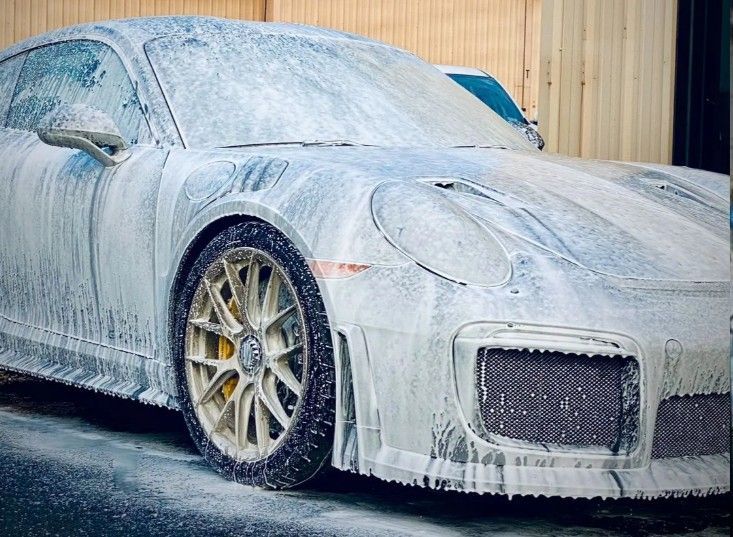
Exterior detailing rejuvenates your vehicle's entire look. Start with the two-bucket method to dramatically reduce swirl marks by separating soapy water from rinse water. This keeps contaminants away from your paint surface, preserving integrity over time.
After washing, clay bar treatment removes invisible particles like tree sap, industrial fallout, and hard water spots that normal washing can't touch. Using a lubricated clay bar gently lifts these bonded impurities, revealing an incredibly smooth finish that prepares paint to absorb polish evenly.
Polishing revives shine through correction. A dual-action polisher spreads compound across panels to restore depth and clarity without damaging the clear coat. The motion combines rotation and oscillation, preventing heat buildup. Even minor scratches, when polished out, revitalize appearance and maintain resale value.
Applying wax or sealant protects against UV rays, acid rain, and bird droppings. Traditional carnauba wax delivers warm, natural glow, while modern synthetic sealants offer longer-lasting protection and superior resistance to weathering. Apply in thin, even coats using foam applicator pads, working panel by panel. Allow 5 to 10 minutes cure time before buffing with clean microfiber towels for maximum shine and durability. A properly sealed paint surface not only looks stunning but also makes future cleaning easier by repelling water and dirt.
Complete Interior Detailing
Interior detailing creates a clean, comfortable cabin. Begin by removing all loose items and floor mats. Vacuum thoroughly using crevice tools for tight spaces between seats and under pedals. Pay special attention to cup holders, door pockets, and console compartments where debris accumulates.
For upholstery and carpets, use appropriate cleaners based on material type. Fabric seats benefit from steam cleaning or foam cleaners that lift stains without over-saturating. Leather requires specialized pH-balanced cleaners followed by conditioner to prevent cracking. Always test products on inconspicuous areas first.
Dashboard and plastic surfaces need gentle care. Use microfiber cloths with interior detailer spray, working from top to bottom to avoid recontaminating cleaned areas. For stubborn grime in vents and crevices, soft-bristled brushes work wonders. Finish with UV protectant to prevent fading and cracking.
Don't forget windows and mirrors. Clean glass using streak-free formulas and microfiber towels, working in circular motions then finishing with vertical or horizontal strokes for clarity.
Choosing the Right Products for Vehicle Detailing
Using high-quality detailing products plays a major role in achieving professional-level results. A gentle, pH-balanced car wash soap is essential for safely lifting dirt and grime while preserving existing wax or sealant protection. Unlike household detergents, automotive-specific soaps help maintain protective layers and reduce the risk of paint damage. For deeper surface preparation, a quality clay bar system removes bonded contaminants such as industrial fallout, tree sap, and road debris, leaving the paint smooth and ready for polishing.
To address surface imperfections, scratch and swirl removal compounds help restore clarity and depth without excessive abrasion that could damage the clear coat. These products are typically designed for both hand and machine application, making them suitable for beginners and experienced detailers alike. After paint correction, applying a high-quality wax enhances gloss, enriches color depth, and adds a protective barrier against environmental contaminants.
Protection is equally important for maintaining both interior and exterior surfaces. Interior protectants designed for vinyl, rubber, and plastic help prevent fading, cracking, and discoloration caused by UV exposure while preserving a natural factory-like appearance. For exterior surfaces, advanced spray coatings create hydrophobic protection that repels water, dirt, and environmental pollutants. These coatings offer long-lasting durability and are often easier to apply compared to traditional protective treatments.
Each product serves a specific role in the detailing process. Start with a gentle wash to remove loose debris, followed by clay bar treatment to eliminate bonded contaminants. Next, use correction compounds to safely remove imperfections, then seal surfaces with wax or protective coatings. Finishing with interior and exterior protectants helps guard against UV exposure, oxidation, and everyday wear. Understanding the proper sequence and application of these products helps deliver professional-quality results and long-term vehicle protection.
DIY vs. Professional Detailing
The choice between DIY and professional services depends on your budget, time, and confidence level. DIY detailing offers control and cost savings, allowing you to tailor every step to your vehicle's specific needs at your own pace.
However, DIY requires proper tools and technique development. Quality polishers and specialized equipment represent initial investments. Procedures like paint correction demand precision that takes time to master. Without proper knowledge, you risk creating swirl marks or damaging sensitive materials.
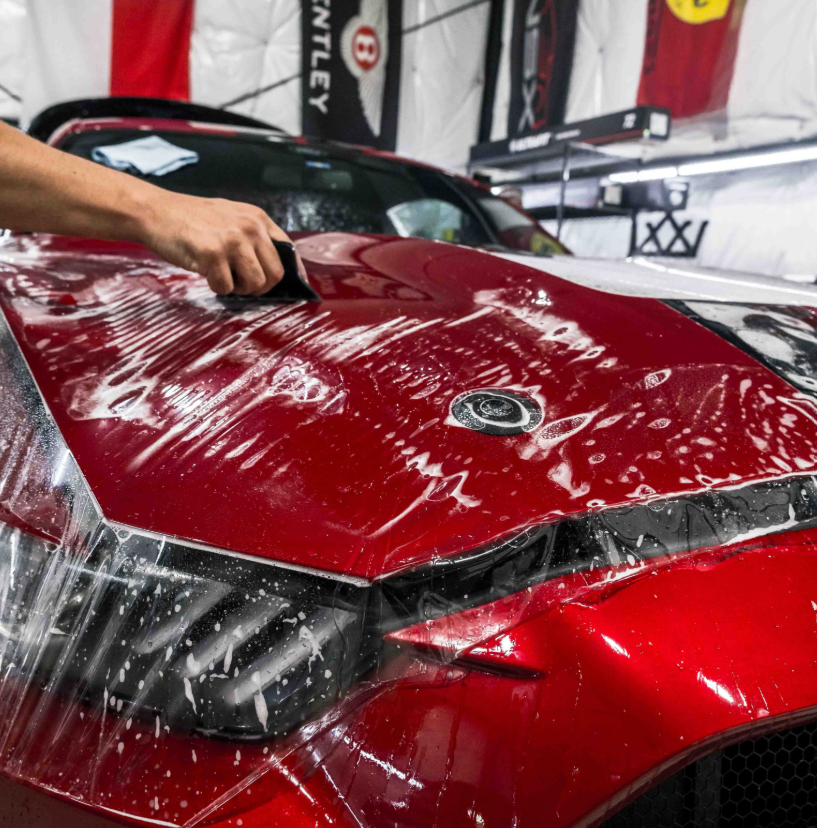
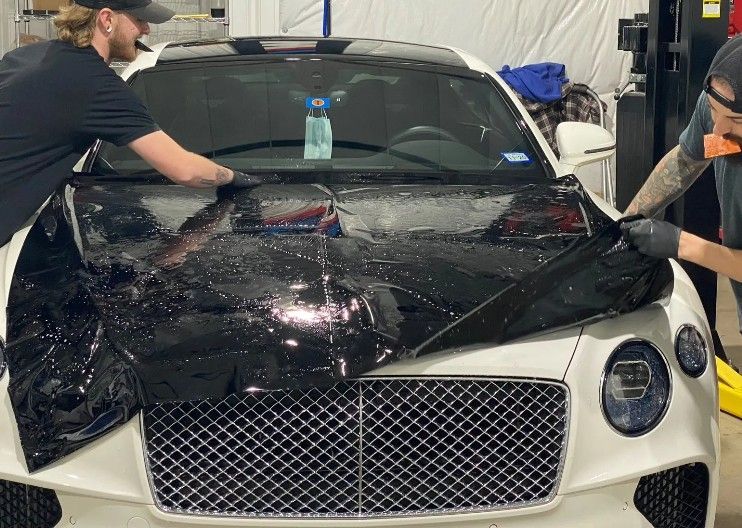
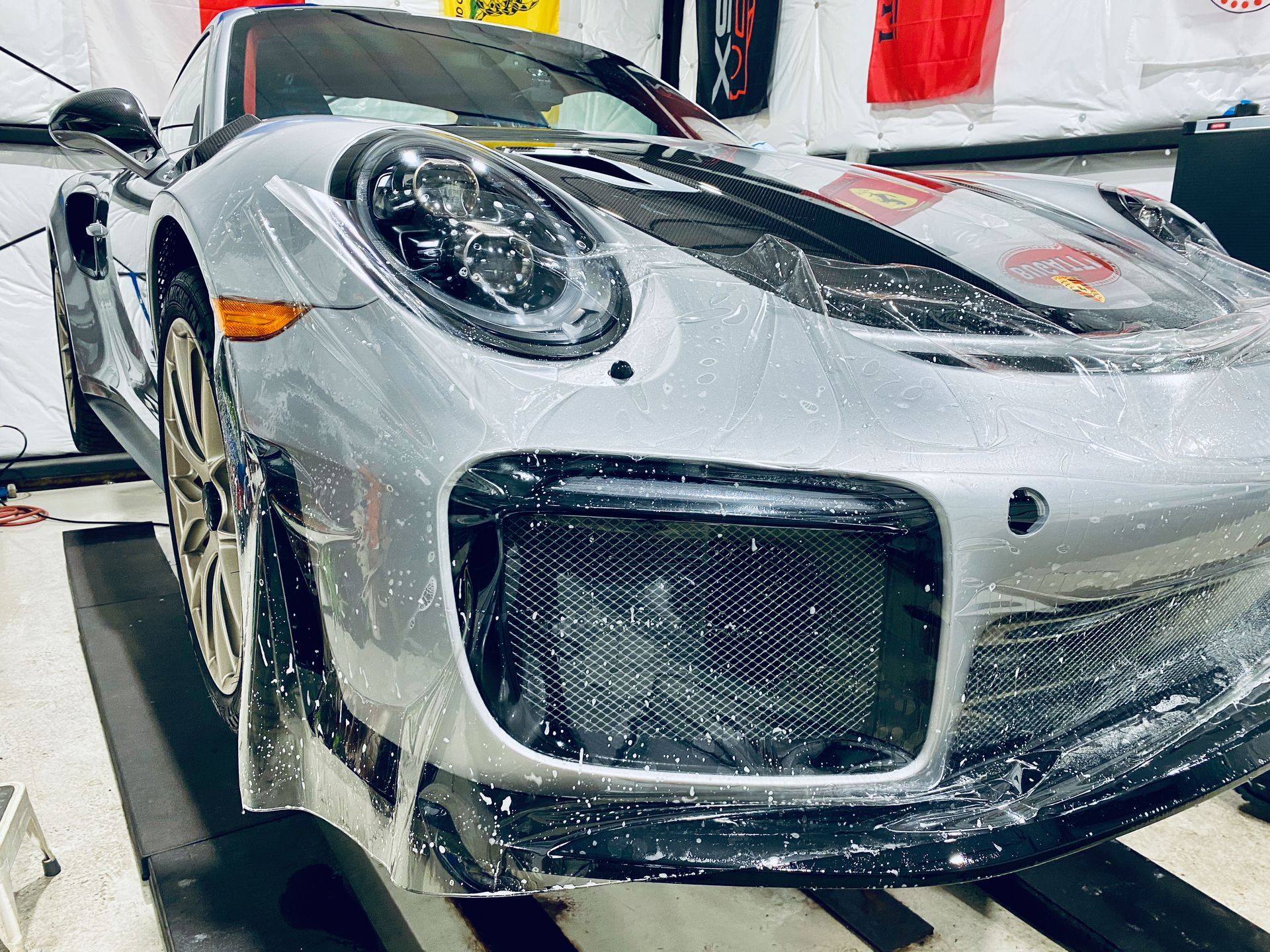
Professional services bring expertise and specialized equipment. Detailers at Apex use commercial-grade polishers and professional formulas designed for long-term protection. Their experience allows accurate paint assessment and appropriate correction techniques. They deliver consistent quality efficiently, saving valuable time. While professional detailing costs more, especially for ceramic coatings or paint protection films, it preserves resale value and prevents costly repairs from improper attempts.
Detailing Frequency Guidelines
Detail your vehicle at the beginning of each season to tackle weather-specific challenges. After winter, remove salt and grime that corrode paint and undercarriage. Spring cleaning with fresh wax provides protective barriers. Before summer, apply UV-protective sealant against intense sun exposure. Fall preparation removes organic debris like leaves and sap. Winter prep focuses on comprehensive sealing against ice and road treatments.
In regions with persistent dust, pollution, or road grime, more frequent attention is necessary. Daily commuting through urban areas or living near construction zones accelerates contamination. Monthly comprehensive detailing combined with biweekly washes prevents contaminants from bonding permanently to surfaces and causing irreversible damage.
Consider your parking situation when determining frequency. Cars parked outdoors lose protective barriers faster than garaged vehicles due to constant UV exposure and environmental contaminants. Outdoor parking typically requires monthly full details versus quarterly for garage-kept cars. Highway miles through construction zones demand more frequent cleaning than suburban commutes.
Common Car Detailing Mistakes to Avoid
Even with the right tools and products, improper techniques can damage your vehicle’s appearance and reduce long-term protection. Avoiding common detailing mistakes helps preserve your paint, interior materials, and overall vehicle value.
Using Household Cleaning Products
Dish soap, glass cleaners, or multipurpose cleaners are not designed for automotive surfaces. These products can strip protective wax layers, dry out interior materials, and cause premature fading or cracking. Always use products formulated specifically for vehicle detailing.
Washing in Direct Sunlight
Cleaning your vehicle under direct sunlight causes soap and water to dry too quickly, leaving water spots, streaks, and soap residue. Detailing in a shaded area or during cooler parts of the day helps achieve better results and prevents surface damage.
Using Dirty or Low-Quality Towels
Reusing dirty towels or using rough fabrics can create swirl marks and scratches on paint surfaces. Microfiber towels designed for detailing safely lift dirt and reduce friction. Always use clean towels and separate them for interior and exterior use.
Skipping Paint Protection
Washing and polishing improve appearance, but without applying wax, sealant, or coating, your paint remains vulnerable to UV rays, contaminants, and moisture. Protective layers help extend shine and make future cleaning easier.
Over-Polishing the Paint
Polishing removes minor scratches and restores gloss, but excessive polishing can wear down the clear coat. Always polish only when necessary and use appropriate compounds and pads for your vehicle’s condition.
Ignoring Interior Maintenance
Focusing only on exterior appearance can allow dirt, stains, and UV damage to build inside the cabin. Regular vacuuming, conditioning, and surface protection help maintain comfort and prevent long-term material deterioration.
Using One Bucket for Washing
Using a single bucket spreads dirt back onto the paint, increasing the risk of scratches. The two-bucket method, separating wash water from rinse water, helps minimize contamination and protects your vehicle’s finish.
Avoiding these common mistakes helps ensure your detailing efforts deliver safe, professional-quality results while preserving your vehicle’s appearance and value over time.
Keep Your Vehicle Looking Its Best with Professional Detailing Today
At Apex, our experienced detailing specialists use professional-grade tools, proven techniques, and premium products to deliver results tailored to your vehicle’s condition and driving environment. Whether your car needs routine maintenance, interior restoration, paint correction, or advanced protective treatments, our team focuses on preserving your vehicle’s beauty and durability for the long run.
If your vehicle has lost its shine, developed swirl marks, or needs seasonal protection, now is the perfect time to schedule a professional detail. Regular expert care helps prevent costly paint damage, protects against environmental contaminants, and keeps your vehicle looking newer for longer.
Connect with Apex for expert car detailing advice and professional application options. Call 855-998-2739 or book a consultation online to keep your car protected for long.