PPF vs Ceramic Coating: Which Does Your Car Actually Need?
Paint protection film and ceramic coating are two of the most popular ways to protect a vehicle's finish, but they solve different problems.
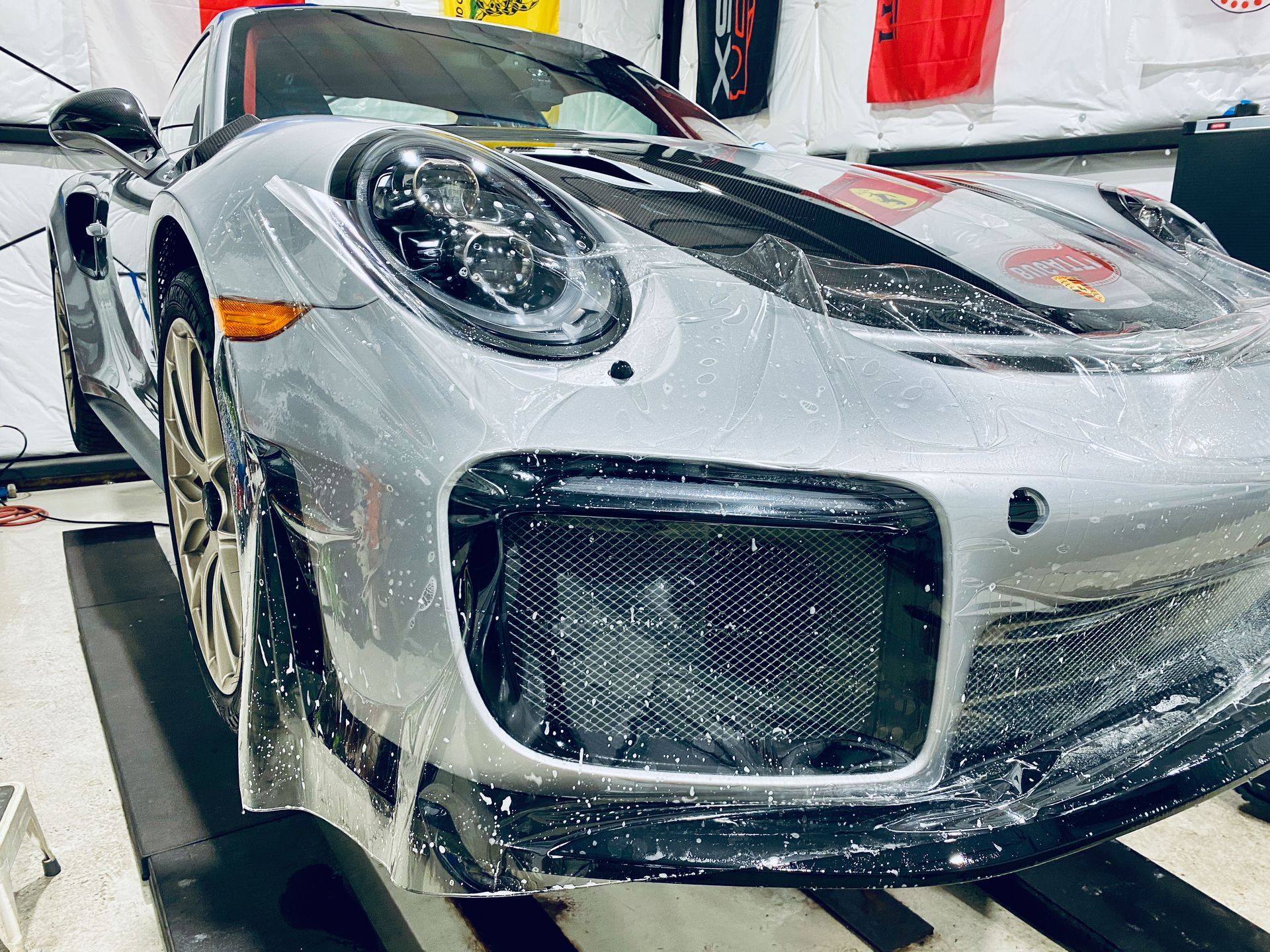
Paint protection film, commonly called PPF or clear bra, creates a physical barrier over painted surfaces to help protect against rock chips, road debris, light scratches, and other impact-related damage. Ceramic coating creates a hydrophobic sacrificial layer that helps repel water and contaminants, makes routine cleaning easier, and enhances gloss.
For many drivers, the real question is not which product is universally better. It is which type of protection matches how the vehicle is driven, stored, maintained, and valued.
At APEX in Addison, TX, both paint protection film and professional ceramic coating are available as part of a broader approach to perfecting, protecting, and preserving vehicles throughout Dallas-Fort Worth.
What Is the Main Difference Between PPF and Ceramic Coating?
The biggest difference is the type of protection each product provides.
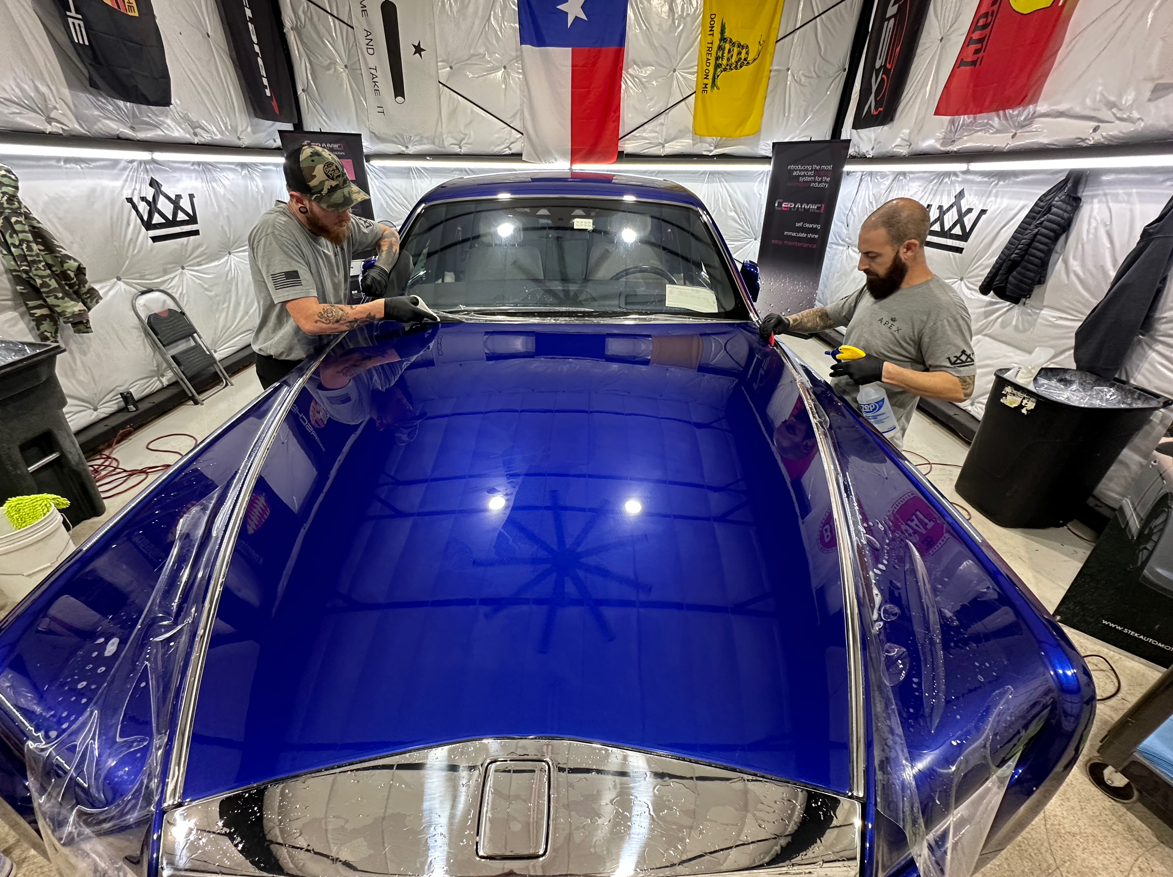
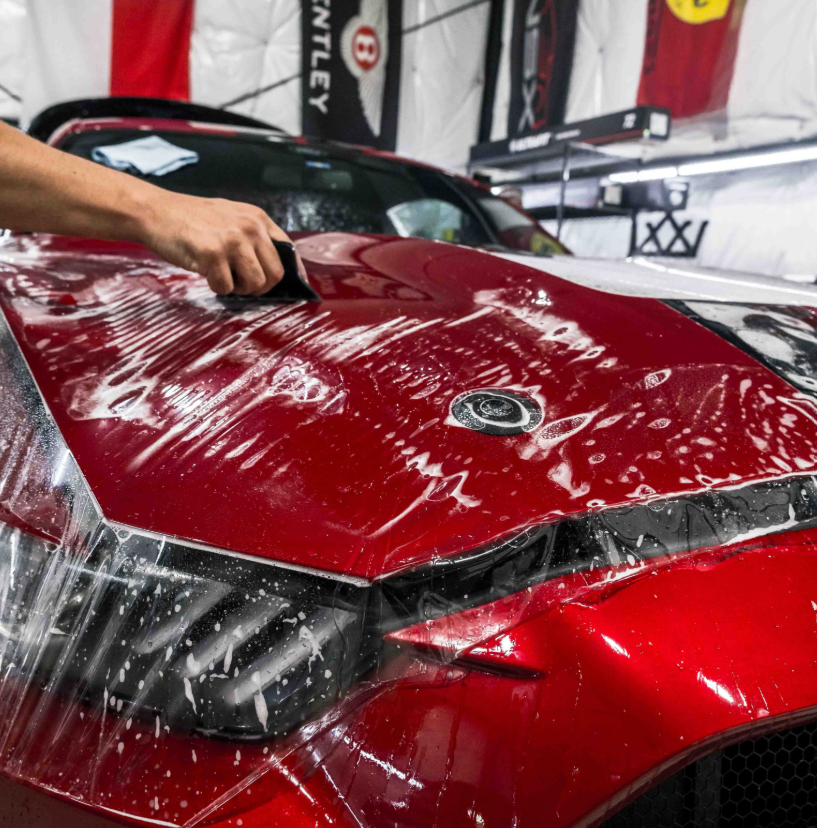
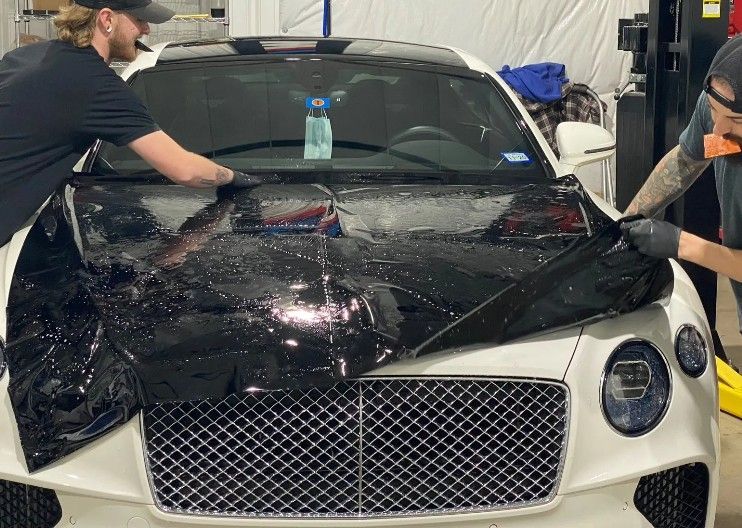
PPF is a clear polyurethane film physically installed over the paint. APEX describes its PPF as approximately 8 to 12 mils thick and engineered with self-healing technology that allows light scratches and swirl marks in the film to become less noticeable with heat.
Ceramic coating is much thinner. It bonds to the vehicle's surface and creates a hydrophobic sacrificial layer. Its strengths are easier maintenance, water repellency, gloss enhancement, and resistance to environmental contaminants.
APEX specifically positions ceramic coating as a solution for owners who want to spend less time washing while maintaining a rich, glossy appearance.
In simple terms:
PPF is primarily for physical protection. Ceramic coating is primarily for surface enhancement, easier maintenance, and environmental protection.
Neither one replaces the other.

Paint protection film and ceramic coating are two of the most popular ways to protect a vehicle's finish, but they solve different problems.
Paint protection film, commonly called PPF or clear bra, creates a physical barrier over painted surfaces to help protect against rock chips, road debris, light scratches, and other impact-related damage. Ceramic coating creates a hydrophobic sacrificial layer that helps repel water and contaminants, makes routine cleaning easier, and enhances gloss.
For many drivers, the real question is not which product is universally better. It is which type of protection matches how the vehicle is driven, stored, maintained, and valued.
At APEX in Addison, TX, both paint protection film and professional ceramic coating are available as part of a broader approach to perfecting, protecting, and preserving vehicles throughout Dallas-Fort Worth.
What Is the Main Difference Between PPF and Ceramic Coating?
The biggest difference is the type of protection each product provides.
PPF is a clear polyurethane film physically installed over the paint. APEX describes its PPF as approximately 8 to 12 mils thick and engineered with self-healing technology that allows light scratches and swirl marks in the film to become less noticeable with heat.
Ceramic coating is much thinner. It bonds to the vehicle's surface and creates a hydrophobic sacrificial layer. Its strengths are easier maintenance, water repellency, gloss enhancement, and resistance to environmental contaminants.
APEX specifically positions ceramic coating as a solution for owners who want to spend less time washing while maintaining a rich, glossy appearance.
In simple terms:
PPF is primarily for physical protection. Ceramic coating is primarily for surface enhancement, easier maintenance, and environmental protection.
Neither one replaces the other.
What Does Paint Protection Film Protect Against?
Car PPF is designed for parts of the vehicle most exposed to physical road hazards.
Everyday highway driving can expose the front end to gravel, sand, construction debris, insects, and other materials moving at speed. Paint protection film adds a sacrificial physical barrier between those hazards and the factory finish.
Common PPF coverage areas include:
- Front bumper
- Hood
- Front fenders
- Side mirrors
- Headlights
- Fog lights
APEX's Full Front PPF package covers these high-impact areas, while its Full Car option applies film across exterior painted surfaces. Custom coverage is also available for owners who want protection tailored to their specific driving habits.
This makes PPF especially relevant for highway commuters, performance vehicles, luxury and exotic cars, collector vehicles, or anyone particularly concerned about preserving original paint.
What Does Ceramic Coating Protect Against?
Ceramic coating handles a different set of concerns.
Once professionally applied, it creates a hydrophobic surface that makes it more difficult for water, grime, and certain environmental contaminants to cling to the vehicle. Water beads more readily, routine washing becomes easier, and the surface maintains a deeper gloss than an untreated finish.
APEX's professional ceramic coating process can include exterior paint, glass, plastics, lights, wheels, and other appropriate surfaces depending on the package selected.
Ceramic coating is particularly useful for owners who want:
- Easier routine cleaning
- Strong water-beading behavior
- Gloss enhancement
- A sacrificial layer against environmental contamination
- Reduced reliance on traditional waxes and sealants
What it does not provide is the same physical impact barrier as PPF.
A ceramic coating should not be presented as protection against meaningful rock chips, deep scratches, collisions, or other substantial impacts.
Is PPF Better Than Ceramic Coating for Rock Chips?
For rock chips and impact-related hazards, PPF is the more appropriate protection.
That is because PPF adds actual physical material between the road hazard and the vehicle's paint. Ceramic coating does not have enough thickness to absorb the same type of impact.
This distinction matters in North Texas, where regular highway driving can expose vehicles to fast-moving debris, construction materials, gravel, and other road hazards. APEX's own Texas PPF guidance emphasizes physical debris as one of the primary reasons drivers consider paint protection film.
If preventing front-end chips is the main concern, ceramic coating alone does not serve the same purpose as PPF.
Is Ceramic Coating Better for Keeping a Car Clean?
Ceramic coating generally has the advantage when easier exterior maintenance is the priority.
Its hydrophobic surface helps water bead and makes dirt and grime easier to remove during proper washing. APEX describes its professional multi-layer ceramic coatings as helping owners go longer between needed washes and spend less time cleaning the vehicle when washing is required.
That does not mean a ceramic-coated car becomes maintenance-free.
Road film, mineral deposits, insects, bird droppings, dust, and other contamination still need to be removed. A coating simply makes proper maintenance more manageable and provides a sacrificial layer over the underlying surfaces.
APEX also notes that changes in water behavior, gloss, slickness, and ease of cleaning can help indicate when a ceramic coating needs maintenance or professional attention.
Can You Use PPF and Ceramic Coating Together?
Yes. In many cases, combining the two can provide the most comprehensive approach because each product handles a different part of vehicle protection.
The installation sequence matters.
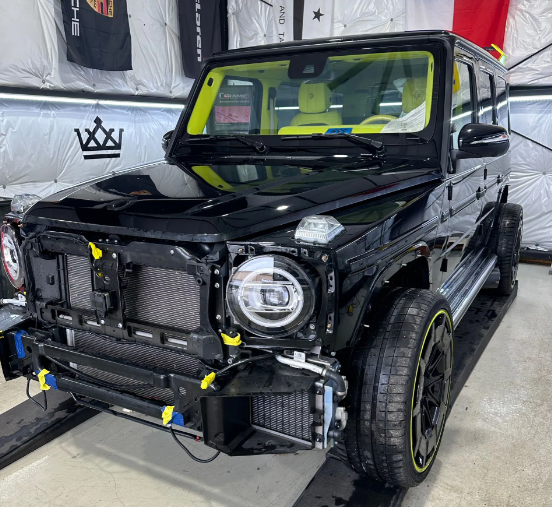
At APEX, the vehicle is first cleaned and decontaminated. Paint correction can be performed when needed so defects are addressed before protection is installed. If PPF is selected, it is installed before the ceramic coating. The coating can then be applied over compatible PPF and other appropriate exterior surfaces.
This combination allows:
PPF to handle: physical impacts, road debris, chips, and light surface damage.
Ceramic coating to handle: hydrophobic behavior, easier maintenance, gloss enhancement, and environmental contamination.
That makes the combination particularly appealing for owners who want both physical paint protection and simpler routine care.
Should You Choose Full Front PPF or Full Car PPF?
Not every vehicle requires identical coverage.
For a daily driver that spends significant time on highways, Full Front PPF may address the areas most frequently hit by road debris without covering every painted panel.
APEX's Full Front package includes the bumper, hood, mirrors, front fenders, headlights, and fog lights.
Full Car PPF extends physical protection across all exterior painted surfaces. This may be more appropriate for:
- Collector vehicles
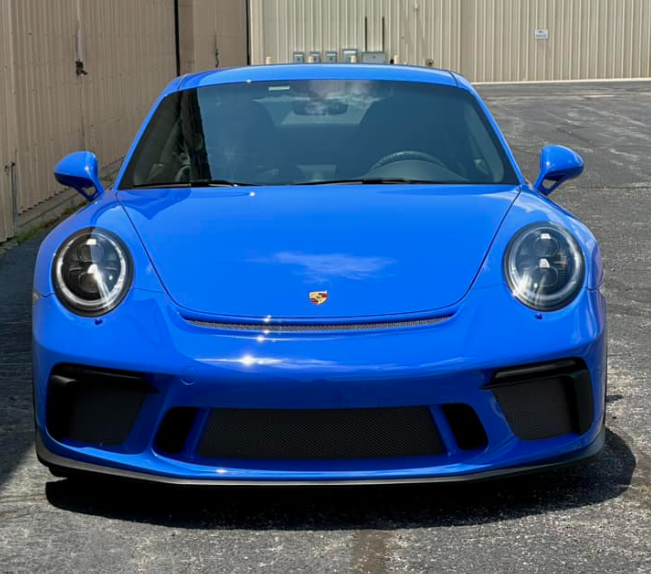
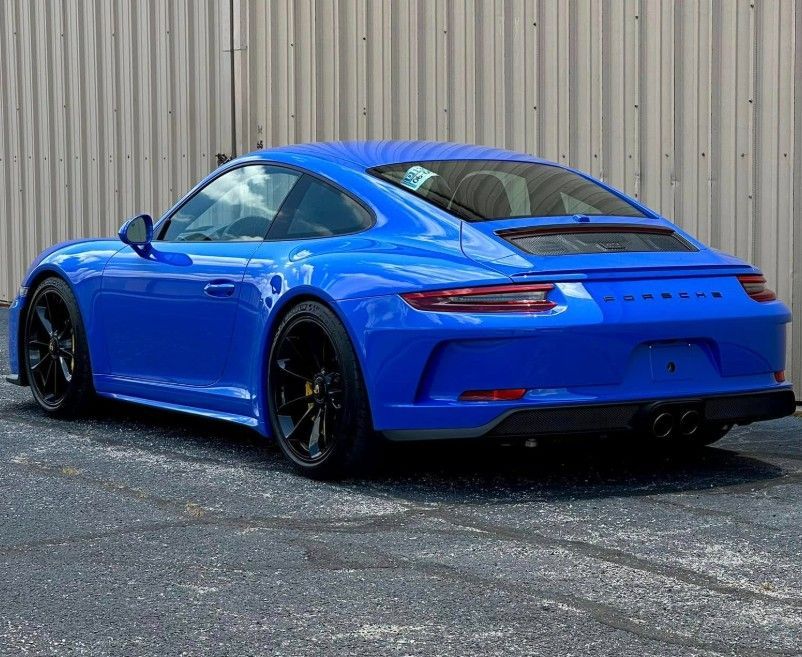
- High-value luxury or exotic cars
- Performance vehicles
- Owners highly concerned with preserving factory paint
- Vehicles expected to remain in the owner's collection long term
The right level of coverage should reflect how the vehicle is driven and how much of the original finish the owner wants physically protected.
Which Option Makes More Sense for a Daily Driver?
For daily drivers, the decision usually comes down to exposure and priorities.
If the vehicle spends considerable time on highways or construction-heavy roads, PPF becomes especially relevant because of the risk of physical impacts.
If the owner's main concerns are washing, water behavior, gloss, and environmental contamination, ceramic coating may address those priorities more directly.
A common strategy is to protect the high-impact front sections with PPF and apply ceramic coating more broadly for easier maintenance.
However, there is no universal package that every daily driver needs. Protection should be matched to actual use rather than assuming that more coverage is automatically better.
What About Luxury, Exotic, and Collector Vehicles?
Owners of high-value or enthusiast vehicles often have a different objective from someone simply trying to make a commuter easier to wash.
They may be particularly concerned with:
- Preserving original paint
- Minimizing visible road wear
- Maintaining presentation quality
- Avoiding unnecessary repainting
- Protecting a rare or meaningful vehicle over the long term
These priorities align closely with APEX's focus on vehicle perfection, protection, and preservation. The company serves collectors and enthusiasts as well as drivers who simply refuse to settle for average workmanship.
For those owners, combining extensive PPF coverage with professional ceramic coating may make sense when maximum preservation and easier maintenance are both priorities.
How Important Is Professional Installation?
Both services depend heavily on preparation.
PPF needs clean, properly prepared surfaces and accurate installation around the vehicle's contours. APEX custom-fits PPF to individual vehicles and emphasizes meticulous preparation and precise application.
Ceramic coating also requires careful preparation because the coating preserves the condition underneath it rather than correcting defects after application.
APEX's ceramic coating process starts with cleaning and decontamination, followed by paint correction when needed, PPF installation if selected, coating application, curing, and final inspection.
For a customer who cares about premium results, preparation and installer quality should therefore be part of the buying decision, not just the product name.
Protect Your Vehicle With the Right APEX Solution
PPF and ceramic coating should not be viewed as interchangeable products. Choose PPF when physical protection against rock chips, road debris, and impact-related wear is the main priority. Choose ceramic coating when easier maintenance, hydrophobic performance, gloss, and environmental protection matter most. Combine them when you want the strengths of both.
APEX has served the automotive community since 1992 and provides professional PPF, ceramic coating, paint correction, detailing, and other vehicle enhancement services from its Addison, Texas facility.
Not sure which level of protection makes sense for your vehicle?
Request for a personalized quote or call
855-998-2739 to discuss how you drive, what you want to protect, and which combination fits your goals.

FAQs About PPF vs Ceramic Coating
Is PPF better than ceramic coating?
Neither is universally better. PPF provides greater physical protection from impacts and road debris, while ceramic coating focuses more on hydrophobic properties, easier maintenance, gloss, and environmental resistance. The better choice depends on what you want to protect against.
Does ceramic coating prevent rock chips?
Ceramic coating should not be relied on for meaningful rock-chip protection. PPF is the appropriate option when protecting paint from physical debris impacts is the primary concern.
Can ceramic coating be applied over PPF?
Yes, compatible professional ceramic coatings can be applied over paint protection film. APEX specifically offers coatings suitable for PPF and installs PPF before ceramic coating when both services are selected.
Does PPF have self-healing properties?
APEX's PPF uses self-healing technology designed to make light scratches and swirl marks in the film less noticeable with heat. Self-healing does not mean the film cannot be cut, punctured, or damaged by severe impacts.
Do I need PPF on the entire vehicle?
Not necessarily. Drivers mainly concerned about front-end road debris may prefer Full Front coverage. Owners seeking physical protection across essentially all painted surfaces may consider Full Car PPF.
Should ceramic coating be applied before or after PPF?
When both are being installed, PPF generally goes on first. APEX's process places PPF after preparation and paint correction, when necessary, followed by ceramic coating.
Is ceramic coating worth it if I already have PPF?
It can be. PPF handles physical impacts, while ceramic coating can add hydrophobic behavior, gloss, and easier maintenance to compatible film surfaces. The services perform different functions, so one does not automatically make the other unnecessary.
What is the best protection for a car driven regularly in Dallas-Fort Worth?
It depends on the vehicle's use. Highway exposure may make front-end PPF particularly valuable, while ceramic coating can simplify maintenance under North Texas dust, road film, insects, sunlight, and environmental contamination. Drivers wanting both benefits can consider combining the two.