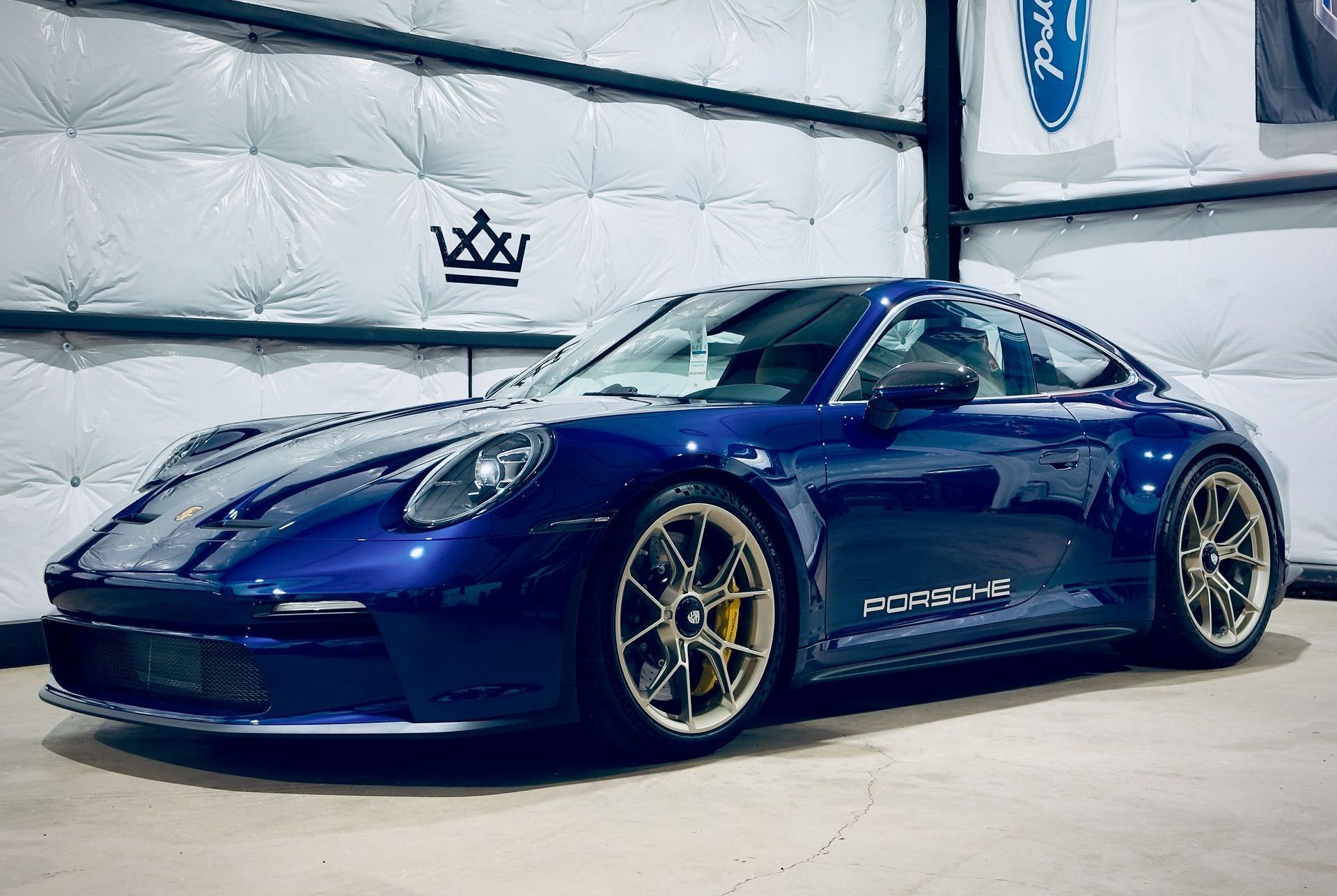
Hidden Benefits of PPF Installation Every Car Owner Must Know
Every car owner wants their vehicle to stay looking fresh and new for as long as possible. While most people know Paint Protection Film (PPF) can guard against obvious damage like scratches and chips, there's a lot more going on beneath its clear surface that often goes unnoticed. Over time, this thin layer helps keep paint colors vibrant, makes cleaning simpler, and even fixes small marks all by itself. Let's explore these hidden perks of PPF installation and explain why protecting your car with it is smarter than you might think.
Beyond visible protection from scratches and rock chips, Car Paint Protection Film offers hidden benefits such as UV ray blocking to prevent paint fading, hydrophobic properties that reduce dirt buildup for easier cleaning, and self-healing technology that repairs minor scratches using ambient heat. Additionally, professionally installed PPF preserves your car's resale value by maintaining a pristine factory finish while saving you money on costly paint corrections and detailing over time.
The Art of PPF Installation
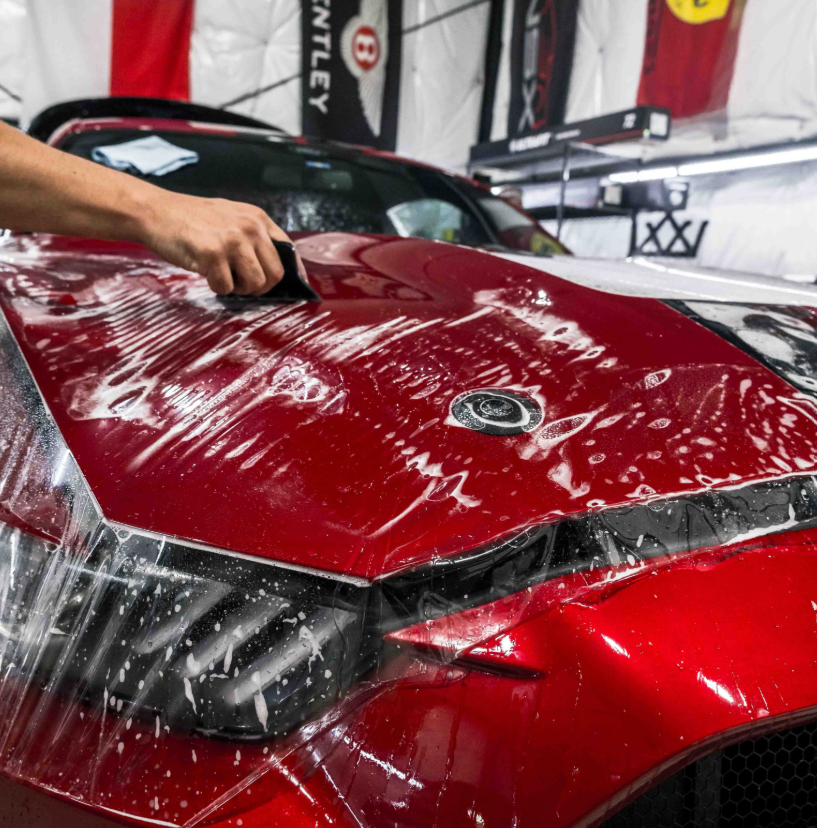
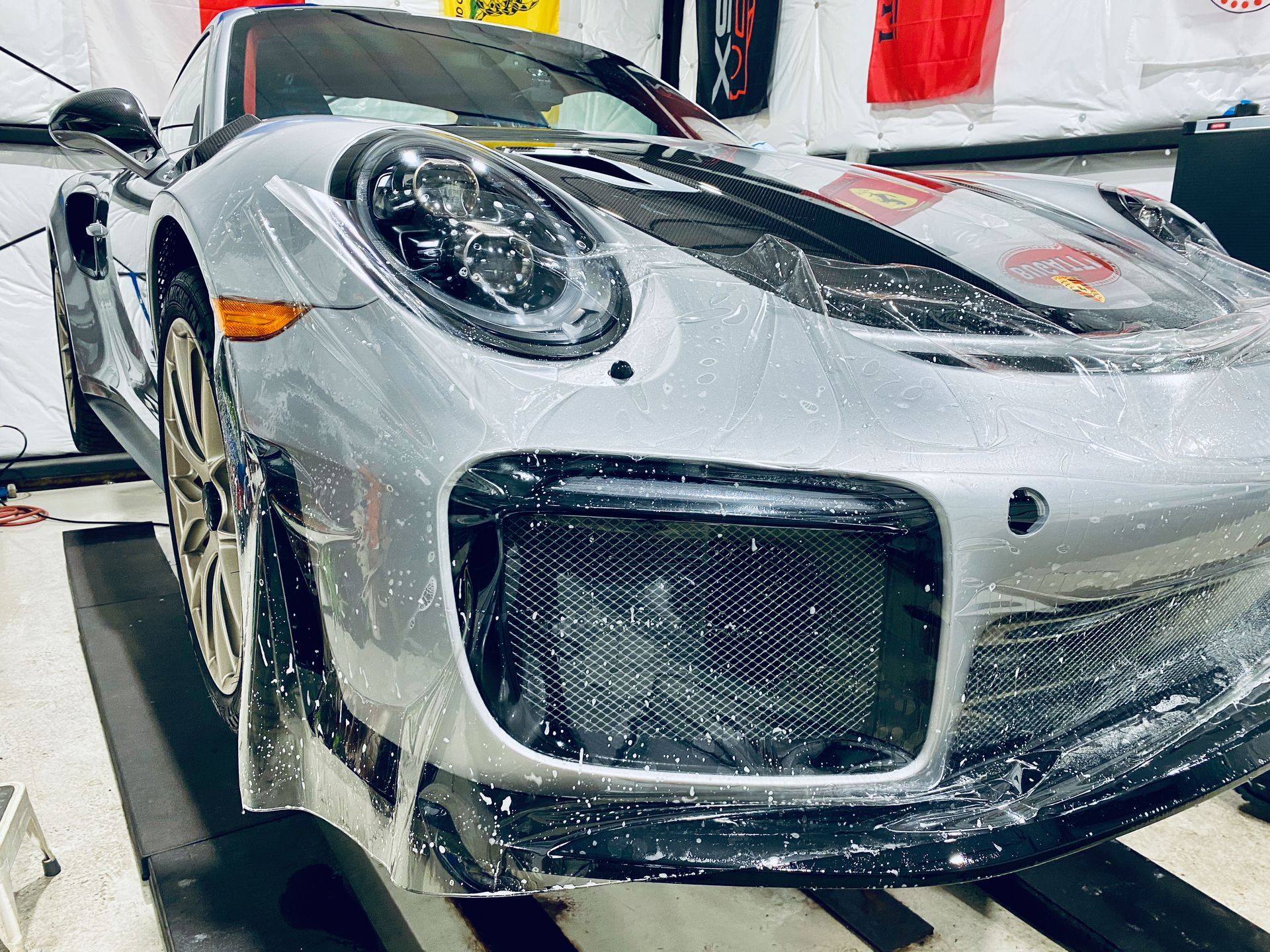
Installing Paint Protection Film is much more nuanced than just applying a sticky sheet to your car's surface. Every step demands meticulous attention, starting with surface preparation. Before any film touches your vehicle, the paint must be spotless and free of oils, dust, or residue. This preparation can take 30 to 60 minutes, including thorough washing, clay bar treatment to remove tiny particles, and wiping down with isopropyl alcohol. Skipping this stage risks trapping dirt beneath the film, which degrades its look and protective power over time.
Professional installers use pre-cut kits specific to your car model, crafted with computer-aided design (CAD). This eliminates guesswork and the risk of misalignment or overlapping edges common in DIY projects. The film itself typically ranges from 6 to 8 mils in thickness, offering both flexibility and durability while remaining virtually invisible once applied.
Application happens in a climate-controlled workspace where temperature and humidity levels are carefully maintained around 18°C to 25°C (64°F to 77°F). PPF must stretch up to 150% without tearing as it's smoothed onto the surface using specialized squeegees with felt edges. These tools allow installers to remove any trapped air and moisture beneath the film, ensuring a seamless bond without bubbles or wrinkles.
The adhesive used in PPF is pressure-sensitive acrylic with repositionable properties during installation. Once positioned perfectly, moderate heat from adjustable heat guns finalizes adhesion and activates the film's self-healing capabilities. Minor scratches fade within 24 to 48 hours at room temperature due to this property. The film should cure for at least 48 to 72 hours before washing the vehicle or exposing it to moisture.
| Installation Stage | Importance | Professional Advantage |
|---|---|---|
| Surface Preparation | Prevents trapped contaminants | Thorough cleaning with professional-grade tools |
| Film Cutting | Ensures exact fit with no waste | CAD pre-cut patterns tailored per model |
| Controlled Environment | Maintains ideal temperature/humidity | Professional booths minimize dust contamination |
| Careful Application | Avoids bubbles and wrinkles | Skilled use of specialty squeegees and heat guns |
Superior Paint Protection
One of the most compelling reasons to invest in PPF is its robust ability to shield your car's paint from everyday hazards. Imagine driving down a busy highway where tiny stones and road debris constantly threaten to chip and scratch your vehicle's finish. PPF acts as an almost invisible armor, absorbing impacts that would otherwise mar your paintwork. This becomes especially critical on vulnerable areas like the front bumper, hood, and side mirrors.
Vehicles wrapped with professionally installed PPF tend to experience significantly fewer minor paint damages than those without protection. This translates into maintaining a flawless look while preventing the beginning stages of corrosion and rust formation that often start after even small chips expose metal surfaces.
Beyond physical protection, PPF provides significant defense against ultraviolet radiation, one of the stealthiest enemies to automotive paint. Prolonged exposure to intense sunlight can cause paints to fade and oxidize over time. Like sunscreen for your skin, PPF blocks a substantial amount of harmful UV rays, dramatically slowing color degradation and keeping your vehicle's vibrant hues intact for years longer.
When a vehicle sports a durable shield like high-quality PPF, washing becomes easier because dirt and water bead off the surface thanks to hydrophobic properties integrated into modern films. Similarly, with fewer scratches and chips to worry about, the need for costly paint corrections or touch-ups drops considerably. Because PPF self-heals minor swirl marks within a day or two when exposed to moderate heat, your vehicle retains a showroom-ready appearance without constant fuss.
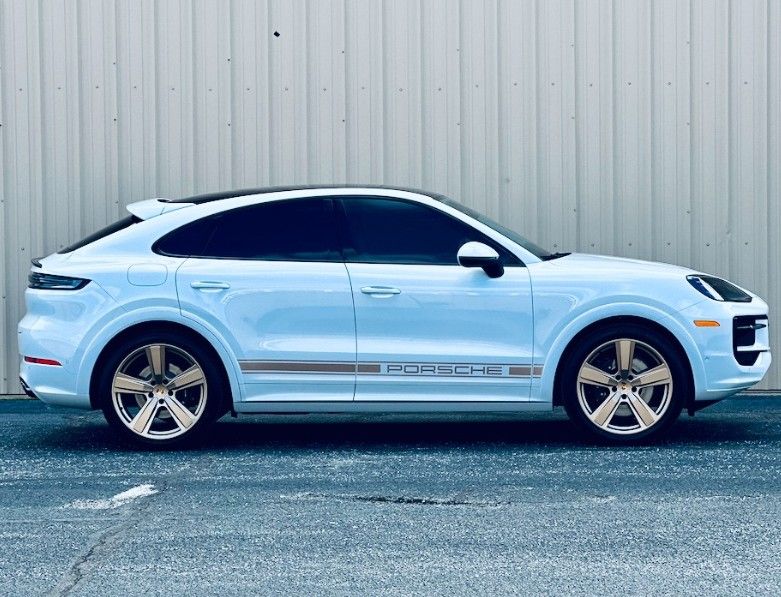
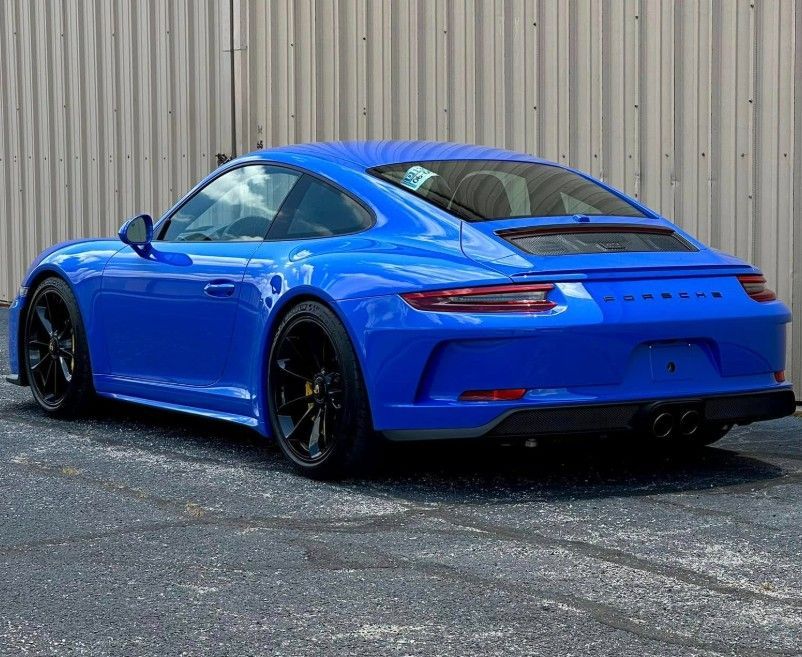
Hidden Cost Savings
Paint Protection Film may appear as just another luxury add-on when you first see the price tag. Yet beneath that initial cost lies a strategic investment that saves you money year after year.
Consider the reality of paint corrections: small scratches, swirl marks, or chips happen regularly on any vehicle's surface. Each paint correction can set you back anywhere from $300 to $1,000 depending on severity and shop rates. With PPF shielding your paint, these costs drop dramatically because the film absorbs most abrasions and minor impacts.
This drop in repair expenses dovetails naturally with lower maintenance costs. Drivers without PPF often engage professional detailers multiple times a year, racking up considerable fees. Vehicles protected by high-quality PPF generally require fewer detailing visits annually because the urethane film offers a durable gloss and hydrophobic surface that repels dirt and grime. Multiply that saving over the seven-plus years of an average PPF lifespan, and the maintenance advantage becomes quite tangible.
Insurance discounts are another lesser-known financial perk. Some forward-thinking companies recognize that vehicles equipped with PPF file fewer claims related to paint damage, and certain insurers may offer modest premium reductions as a result.
Enhancement of Vehicle Aesthetics
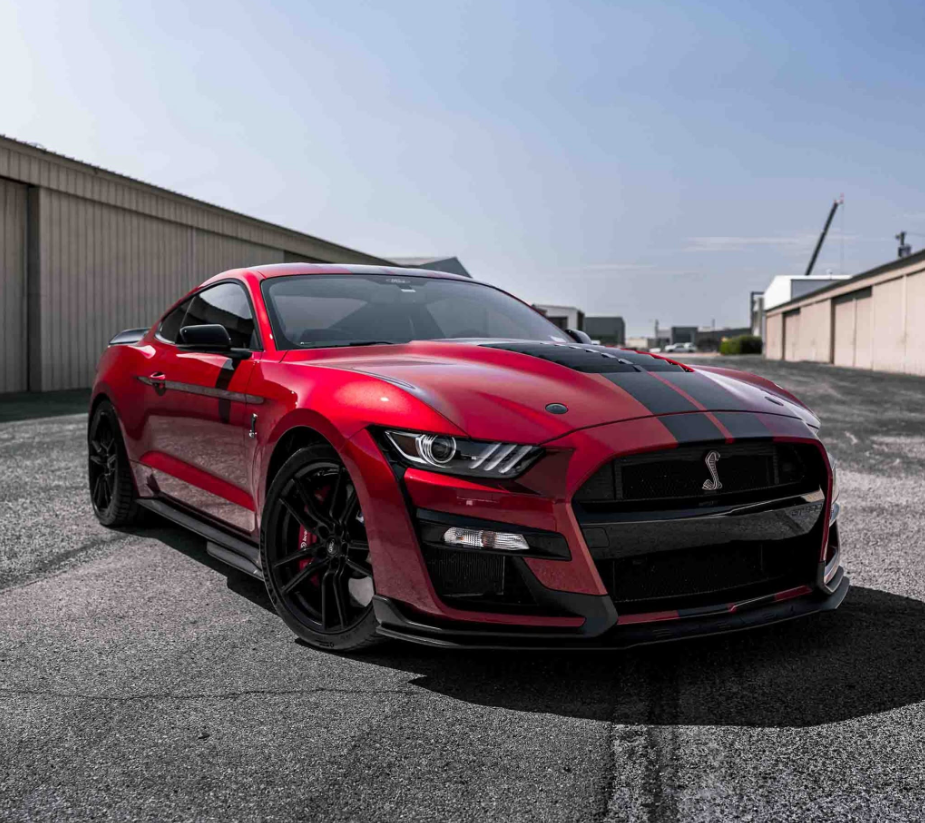
High-quality PPF does more than guard your car's surface. It actively elevates its visual appeal. When applied correctly by trained professionals, the film adds a rich, glossy finish that makes colors pop and shine with a depth that untreated paint often loses over time.
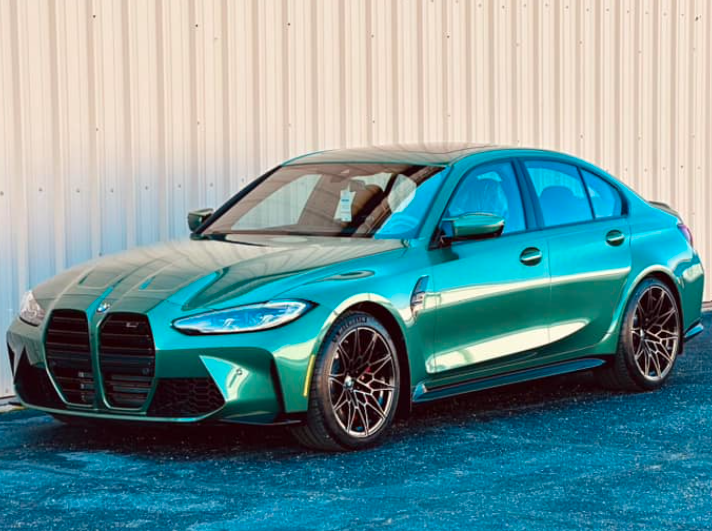
The secret lies in the advanced optical clarity of modern urethane films, which not only protect but also amplify the natural brilliance of your vehicle's paint. Reds become more vivid, blues shimmer brighter, and metallic finishes reveal their full luster in sunlight.
A major benefit of this enhanced gloss is how it conceals minor imperfections such as swirl marks and light scratches that would otherwise dull your paint. PPF acts both like a shield and a polish without the need for constant waxing or buffing sessions.
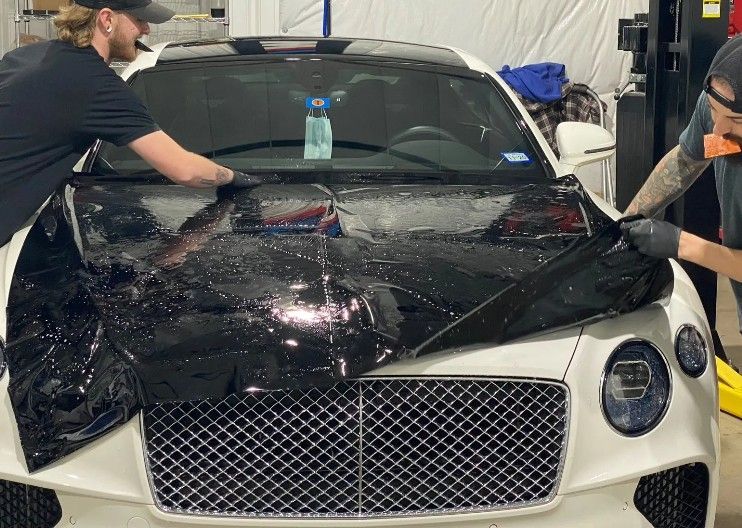
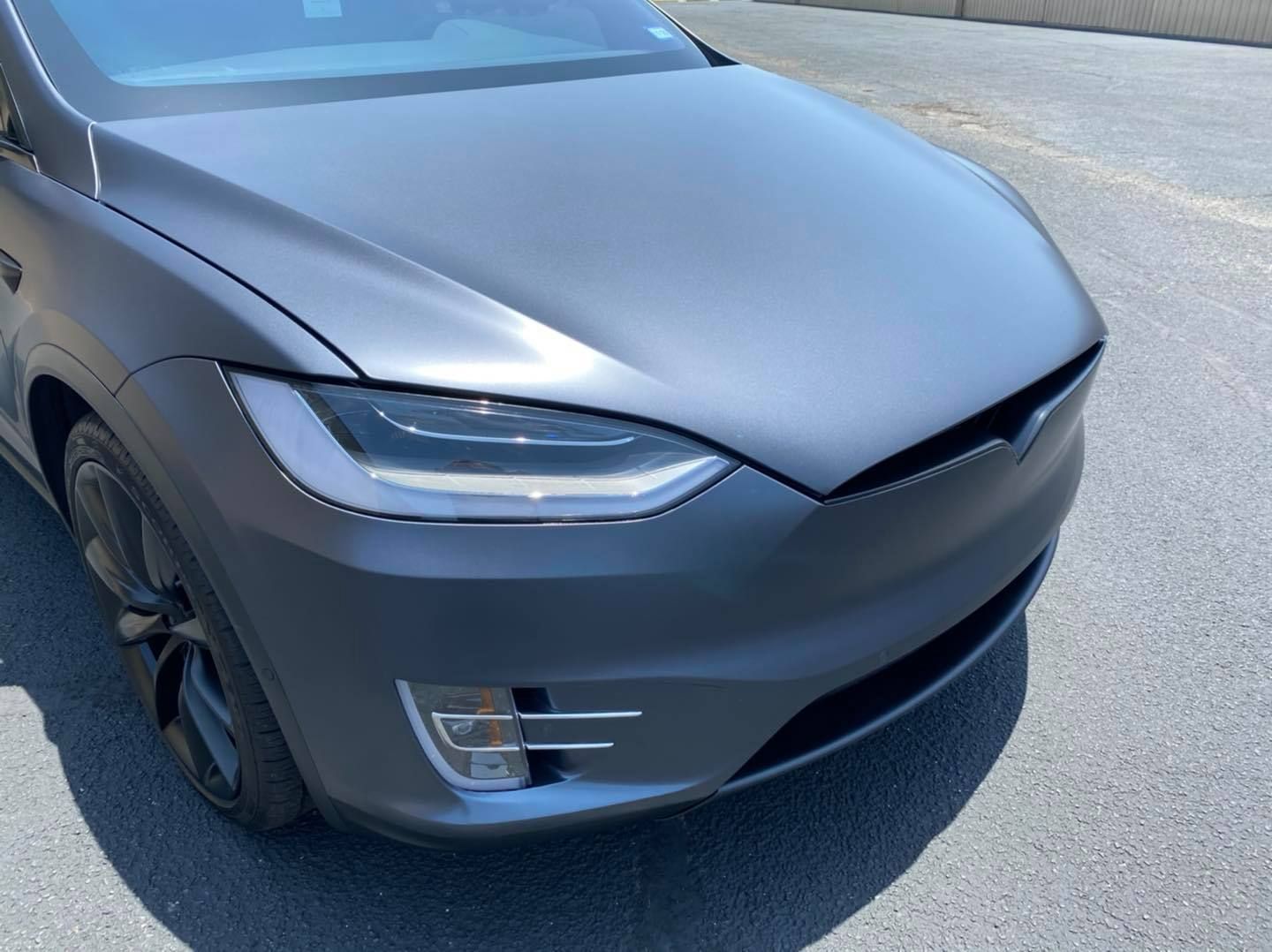
Additionally, today's PPF products offer customization options beyond clear protection. For those seeking individuality, there are matte and satin finishes available that completely change the character of your vehicle without committing to permanent changes like painting or wraps. Even specialty textures such as carbon fiber-inspired coatings are accessible through PPF technology.
Boosting Resale Value
When it comes to selling your vehicle, the condition of the exterior often forms the very first impression potential buyers get. A pristine, scratch-free finish speaks volumes about how well a car was cared for. PPF acts as an invisible guardian, shielding your paint from chips, scratches, and environmental damage that accumulate slowly and degrade appearance over time.
Buyers instinctively associate a flawless exterior with meticulous ownership. Vehicles protected with PPF attract more serious offers, sometimes fetching noticeably more simply because buyers feel confident they're stepping into a well-maintained machine.
Industry reports consistently show that vehicles with professionally installed PPF tend to command higher resale prices compared to unprotected vehicles of similar age and mileage. This gain can offset a significant portion of the installation cost.
Low Maintenance Perks
One of the standout features of modern high-quality PPF is its hydrophobic nature, meaning it repels water. Water beads up and slides off the surface, taking dirt and grime along with it. After a rain shower or a simple rinse, your car looks noticeably cleaner with much less scrubbing required.
This water-repellent property also helps prevent water spots, which can be stubborn to remove. By minimizing water's hangtime on the paint, PPF guards your car's finish from those unsightly mineral deposits.
Another aspect worth highlighting is the reduced dependency on harsh cleaning chemicals. With PPF acting as a sacrificial barrier, you can switch to gentle, everyday soap and water routines without worrying about oxidation or fading beneath.
Comparing Protective Solutions
Paint Protection Film stands apart mainly because of its physical barrier qualities. Its thick, transparent layer is designed specifically to absorb the shocks of everyday hazards like stone chips, road debris, and minor abrasions. While ceramic coatings are praised for their water-repellent properties and UV resistance, they cannot match the impact resistance of a full PPF wrap.
On the topic of cost and longevity, PPF demands a higher initial investment. However, this upfront cost pays dividends through years of resilient protection without frequent reapplications. Compare this with car wax, which offers a glossy finish but gradually wears away with just a few washes. High-quality PPF installed properly can protect your vehicle's finish for up to a decade.
An increasingly popular strategy among car owners is combining PPF with ceramic coating. This hybrid approach harnesses the best attributes of both: PPF forms an unbeatable shield against physical damage, while the ceramic coating enhances shine, provides slickness that repels dirt, and simplifies cleaning.
For optimal results, consider consulting a team that understands both your vehicle's needs and your lifestyle. At Apex, we focus on precision-cut PPF installations using STEK films, paired thoughtfully with advanced ceramic coatings tailored to maximize protection while minimizing upkeep effort.
Protect Your Car Before Damage Happens
Paint damage is expensive to fix, but easy to prevent. With professional paint protection film service, you can keep your vehicle looking new while saving money over time.
At Apex, we specialize in precision PPF installation using premium films for long-lasting protection.
Call us at
855-998-2739 today to
book your consultation online today to get started.
FAQs on Benefits of PPF Installation
1. Is paint protection film worth it for your car?
Yes, paint protection film is worth it because it protects against scratches, rock chips, and UV damage while helping maintain your car’s appearance and resale value over time.
2. What are the hidden benefits of paint protection film?
Beyond protection, PPF offers self-healing properties, UV resistance, easier cleaning, reduced maintenance costs, and improved resale value.
3. How long does paint protection film last?
High-quality PPF typically lasts between 5 and 10 years depending on installation quality, climate, and maintenance.
4. Does PPF prevent scratches completely?
PPF prevents minor scratches and swirl marks. It can self-heal small marks with heat, but very deep scratches may still affect the film.
5. Does paint protection film protect against sun damage?
Yes, PPF blocks harmful UV rays and helps prevent paint fading, oxidation, and discoloration caused by sun exposure.
6. Can PPF heal scratches on its own?
Yes, most modern PPF has self-healing technology that allows minor scratches and swirl marks to disappear when exposed to heat or sunlight.
7. Is PPF better than ceramic coating?
PPF provides physical protection against chips and scratches, while ceramic coating enhances shine and repels water. Combining both offers the best overall protection.
8. Does PPF increase car resale value?
Yes, PPF helps maintain the original paint condition, which can increase buyer confidence and improve resale value.
9. Where should you apply PPF on your car?
PPF is commonly applied to high-impact areas such as the front bumper, hood, side mirrors, fenders, and door edges.
10. Is PPF hard to maintain?
No, PPF is low maintenance. Its hydrophobic surface makes cleaning easier and reduces the need for frequent detailing.
11. Can paint protection film be removed safely?
Yes, PPF can be safely removed by professionals without damaging the original paint when installed correctly.
12. How much does paint protection film cost?
PPF cost varies based on coverage and vehicle type, typically ranging from a few hundred dollars for partial coverage to several thousand for full-body protection.