Ceramic Coating vs Wax vs Sealant: A Detailed Comparison
When it comes to keeping your car's paint looking fresh and protected, you've probably heard about ceramic coatings, waxes, and sealants. But which one actually does the best job? Each option offers its own mix of shine, protection, and maintenance frequency. Some promise years of defense while others give you a quick glow with more frequent care. Let's break down what sets these products apart so you can figure out which fits your style and schedule.
Ceramic coatings offer the longest-lasting protection, typically ranging from 2 to 5 years when professionally applied, with superior chemical resistance and hydrophobic properties but require meticulous surface preparation and maintenance. Sealants provide a middle ground in durability lasting about 6 to 12 months with easier application and good protection, while waxes deliver the shortest-term protection (1 to 3 months) with a deep gloss effect and simple application but need frequent reapplication for consistent results.
Overview: Ceramic Coating, Wax, and Sealants
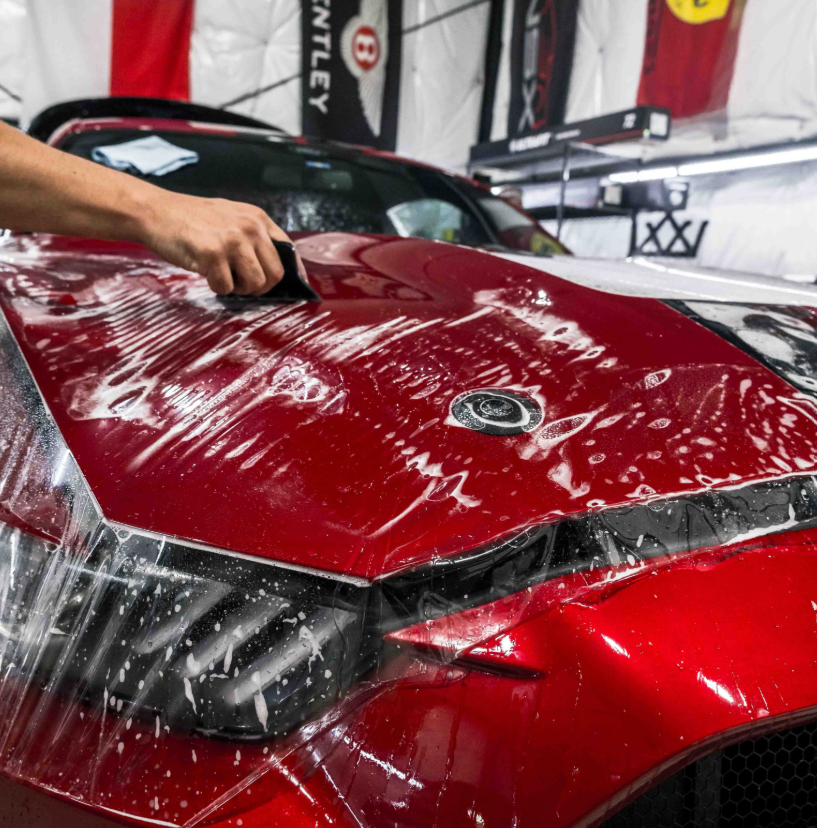
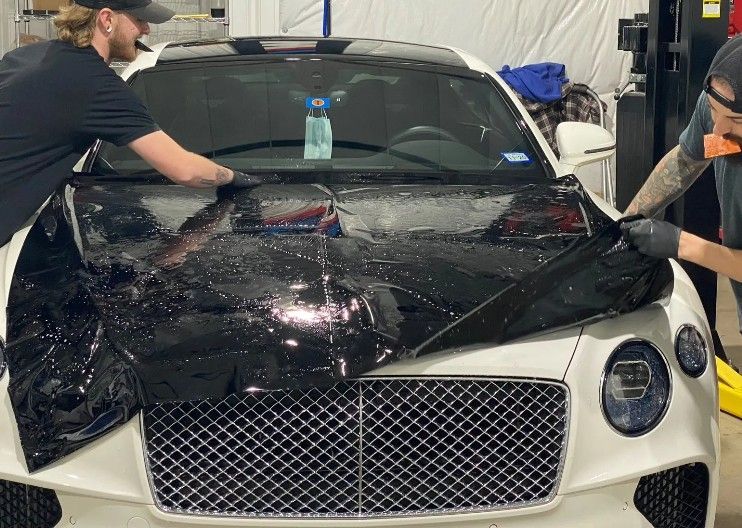
Ceramic coatings represent a significant leap forward from traditional car care products because they form a chemical bond with your car's paint. Unlike waxing or sealing, which sit on the surface, a proper ceramic coating becomes part of the paint itself. This bond creates a hard, glass-like barrier that shields your vehicle from environmental damage like UV rays, acid rain, bird droppings, and minor scratches. The inclusion of silicon dioxide (SiO2) gives these products their impressive durability and hydrophobic quality, meaning water beads up and slides off easily.
Applying ceramic coating requires careful preparation: the car's surface must be thoroughly cleaned and polished to remove any imperfections because once a ceramic layer bonds to the paint, it locks everything beneath it in place. Professional application typically lasts between 3 to 5 years, while at-home kits offer protection for 1.5 to 2.5 years with proper maintenance using pH-neutral shampoos.
Waxes
Waxing is the most familiar method of protecting a car's finish. Most waxes contain natural ingredients like carnauba, which imparts a deep, warm shine many find visually unmatched. However, wax acts like a thin shield sitting on top of the paint and tends to wear off within two to three months depending on weather exposure and driving conditions.
The appeal of wax lies in its simplicity. It's easy for beginners to apply by hand or machine and dries quickly for buffing. On the downside, regular reapplication is necessary because wax does not offer strong chemical resistance or long-term durability.
Sealants
Sealants bridge the gap between waxes and ceramic coatings in both performance and convenience. Made from synthetic polymers rather than natural ingredients, sealants create a more durable protective layer that typically lasts six to twelve months. They provide better resistance against UV rays and chemicals compared to wax but don't quite match the hardness or longevity of ceramics.
For many drivers, sealants represent a practical compromise: they require less prep work than ceramics and are easier to apply, often available as spray-ons or wipes, and cure within hours instead of days.
| Feature | Ceramic Coating | Sealant | Wax |
|---|---|---|---|
| Durability | 2–5 years | 6–12 months | 2–3 months |
| Protection Level | High UV/chemical/micro-scratch resistance | Moderate UV/chemical protection | Basic UV protection |
| Gloss and Finish | High gloss with deep reflection | Glossy but less depth | Warm shine with natural glow |
| Application Time | 2–4+ hours (prep + curing) | 30 minutes – 1 hour | 15–30 minutes |
Application Methods Explained
Applying a ceramic coating requires an immaculate canvas: thorough cleaning and decontamination. This often means using a clay bar to remove embedded dirt that normal washing can't eliminate. Skipping this step risks trapping particles under the coating.
Next comes paint correction, where a polishing machine removes fine scratches, swirl marks, and oxidation. This step is crucial because ceramic coatings bond directly to the paint surface, sealing any blemishes beneath.
The actual coating application happens in small sections using a microfiber applicator pad in a crosshatch pattern for even coverage. Timing matters; leaving it on too long before buffing can cause stubborn high spots or streaks.
Applying Wax
The waxing routine is straightforward: wash and dry your vehicle thoroughly, then spread the wax in small circular motions using a foam applicator. Wait until the wax forms a haze (usually 5 to 15 minutes), then buff it off with a clean microfiber towel.
Sealant Application
Sealants are applied similarly to wax but often require thinner, more even coats. Usually applied with a foam or microfiber applicator on clean, dry surfaces, sealants cure within an hour but benefit from full curing over 24 to 48 hours.
Durability: Long-Term Performance
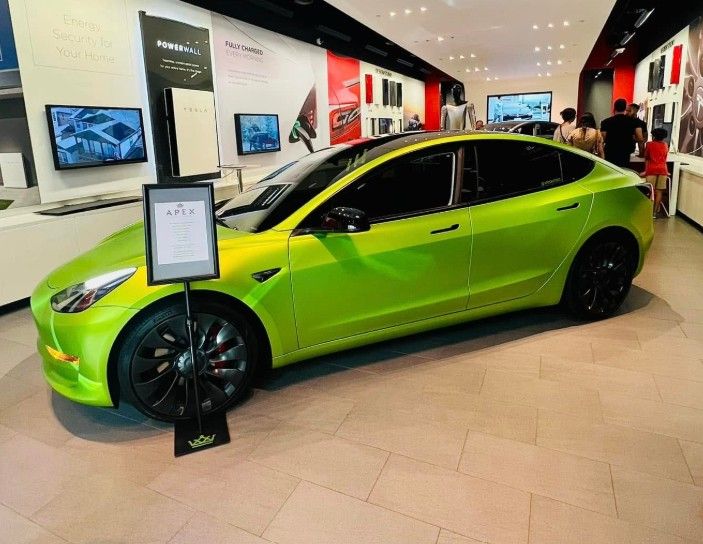
Car ceramic coating stand out by creating a chemical bond with your vehicle's paint, forming a permanent or semi-permanent layer far more resilient than traditional options. Typical wax applications last between 4 to 6 weeks, synthetic sealants hold strong for about 4 to 6 months, while ceramic coatings can last 3 to 5 years or more with proper maintenance.
The robust longevity of ceramic coatings stems from their molecular structure. Unlike wax that merely sits on top of the paint, ceramic coatings chemically fuse with the surface, creating an ultra-thin but incredibly hard layer often rated at 9H hardness on the pencil scale.
Environmental threats impact your vehicle daily: UV rays cause fading, acid rain and bird droppings erode the clear coat, and microscopic dust particles create tiny scratches over time. Ceramic coatings act as a durable shield with high UV resistance, extreme chemical resistance, and impressive hydrophobic properties.
Achieving Shine and Gloss
Each type of paint protection brings its own signature look to your car's surface.
Carnauba wax has long been famous for imparting a deep, warm glow to paintwork. This rich, natural sheen gives cars that timeless, showroom-quality radiance many enthusiasts crave.
Ceramic coatings and synthetic sealants offer a mirror-like brilliance with a glassy, ultra-reflective surface. This glossy effect comes from the smooth, hard layer created on top of your paint. However, some aficionados note that these finishes sometimes lack the nuanced "depth" found in waxed surfaces.
A popular method to get the best of both worlds is applying a synthetic sealant on top of a ceramic coating, combining the long-term durability of ceramics with the extra glossy boost from sealants.
Protection Levels Compared
Auto ceramic coating stand out with their superior defense against harmful UV rays, acid rain, bird droppings, and chemical stains. Their hard, glass-like surface actively resists many types of damage that would otherwise dull or degrade traditional paint.
Sealants provide solid protection against minor scratches and environmental fallout but fall short when facing harsher chemical exposure. Waxes, while beloved for their rich gloss and water-repelling qualities, simply don't last as long or offer robust chemical resistance.
Maintenance and Upkeep
Ceramic coatings require washing with pH-neutral soaps that clean without stripping away the silica-based layers. Avoid applying traditional waxes over ceramic surfaces; use ceramic-specific maintenance sprays instead.
Wax requires more frequent attention, with reapplication every 4 to 6 weeks recommended to maintain consistent protection. Use mild soaps when washing to avoid stripping wax prematurely.
Cost Analysis: Which is Worth It?
Professional ceramic coating applications at Apex typically start around $700, providing protection lasting from three to five years. Carnauba waxes often cost less than $20 per bottle but their protective shine fades after just four to six weeks. Synthetic sealants cost $30 to $60 per application and last four to six months.
Customers who switch to ceramic coatings frequently appreciate how it simplifies their maintenance routine. They enjoy the glass-like finish that doesn't dull quickly and marvel at how dirt and water slide off effortlessly.
Ultimately, your choice depends on your lifestyle and budget priorities. If you value spending weekends outside of detailing your car and want year-round defense against harsh UV rays, bird droppings, or road salts, investing in a quality ceramic coating makes strong sense.
Give Your Car the Ultimate Protection Today
Your vehicle deserves more than temporary shine—it deserves long-lasting defense. With professional ceramic coating from Apex, your car gets:
- Years of protection against UV rays, bird droppings, and chemical damage
- Mirror-like gloss that keeps your car looking showroom-ready
- Hydrophobic surfaces that make cleaning effortless
Don’t waste weekends on constant waxing or short-lived sealants. Invest in a coating that truly works.
Call us at
855-998-2739 today to
book a consultation online for professional ceramic coating service and experience the ultimate in car care.
FAQs About Ceramic Coating, Wax, and Sealants
1. What is the difference between ceramic coating, wax, and sealant?
Ceramic coatings chemically bond to your car’s paint for long-term protection, lasting 2–5 years. Wax sits on top for a short-term shine of 1–3 months. Sealants provide a middle ground with 6–12 months of protection and easier application.
2. How long does a ceramic coating last on my car?
Professional ceramic coatings typically last 3–5 years with proper maintenance. DIY kits offer 1.5–2.5 years of protection. Regular washing with pH-neutral shampoos helps maintain the coating’s performance.
3. Can I apply wax or sealant over a ceramic coating?
Yes, but it is recommended to use ceramic-specific maintenance sprays rather than traditional wax. Applying regular wax can reduce the effectiveness of the ceramic coating.
4. Which paint protection is best for daily drivers?
For daily drivers exposed to UV rays, bird droppings, and road debris, a ceramic coating provides long-term protection with minimal maintenance. Sealants are a good compromise for short-term convenience, while wax is ideal for occasional use or for achieving a warm, glossy finish.
5. How do I apply ceramic coating at home?
Home application requires thorough cleaning, paint correction, and careful section-by-section coating using a microfiber applicator. Proper curing time is essential to ensure durability, typically 24 hours for initial bonding and 7 days for full cure.
6. Does ceramic coating prevent scratches completely?
Ceramic coatings offer high scratch resistance due to their hardness, but they cannot prevent all scratches. Minor swirl marks or surface scratches can still occur, so careful washing techniques are recommended.
7. Is ceramic coating worth the cost compared to wax or sealant?
If you want long-lasting protection, less frequent maintenance, and a mirror-like shine, ceramic coatings are worth the investment. Wax and sealants cost less upfront but require regular reapplication and provide shorter-term protection.
8. How do I maintain my car after applying wax, sealant, or ceramic coating?
- Ceramic Coating: Wash with pH-neutral soaps, avoid abrasive cleaners, and use ceramic maintenance sprays.
- Sealant: Gentle washing and occasional top-ups keep the surface glossy.
- Wax: Reapply every 4–6 weeks and wash with mild soaps to prevent stripping.
9. Can ceramic coatings resist bird droppings and acid rain?
Yes, ceramic coatings provide high chemical resistance and form a protective barrier that reduces the risk of etching from bird droppings, acid rain, or other environmental contaminants.
10. Should I get professional ceramic coating or use a DIY kit?
Professional coatings last longer, offer better bonding, and include prep work like paint correction. DIY kits are cheaper but usually provide shorter protection and require careful attention to application and maintenance.