Partial vs Full Body PPF: What's Best for Your Ride? Protection and Cost Guide
Choosing the right paint protection film (PPF) for your car isn't just about guarding against chips and scratches. It's about matching protection to your driving style, budget, and how long you want your vehicle to stay looking sharp. Whether you're cruising city streets or hitting highway corridors, deciding between partial and full body PPF can feel tricky. This guide breaks down those choices clearly, helping you figure out which option gives you the best balance of coverage, cost, and convenience so your ride stays protected exactly where it needs to be.
Partial vs Full Body PPF: An Overview
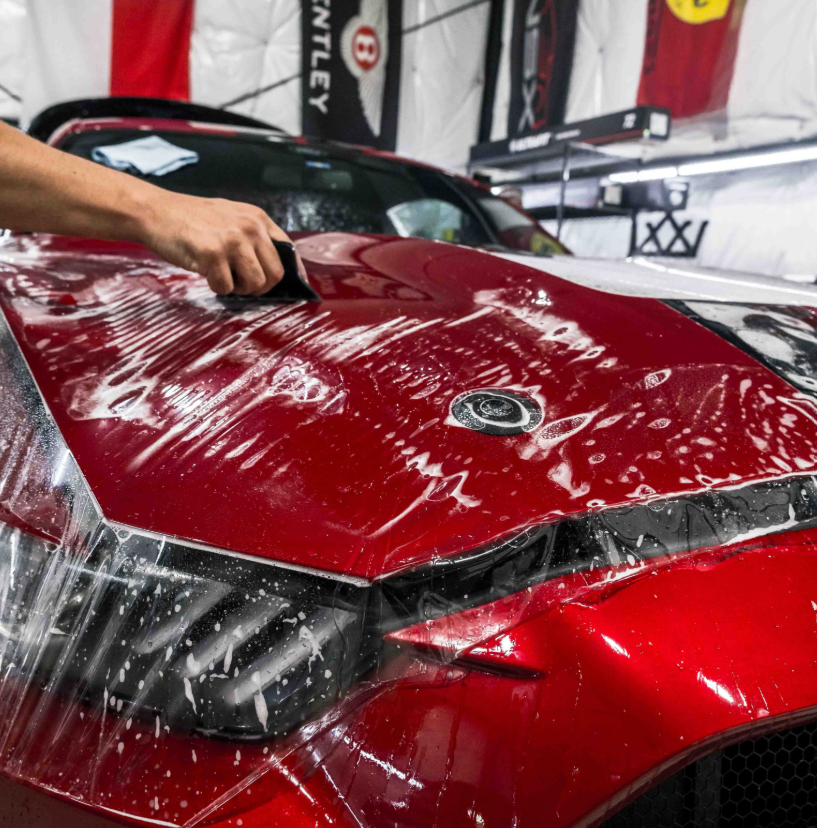
When it comes to protecting your vehicle's paint, partial PPF focuses on shielding the most vulnerable areas: the front bumper, lower hood (usually the first 12 to 24 inches), side mirrors, and sometimes the headlights. These spots take the brunt of everyday hazards like gravel chips, bug splatter, and road debris common on Texas highways.
The appeal lies in convenience and value. If you're leasing a vehicle or plan to sell within a few years, you get solid protection where damage shows first without committing to a full wrap. However, this approach does leave other panels exposed, which can create an uneven finish over time as unprotected doors or rear panels lose luster next to protected areas.
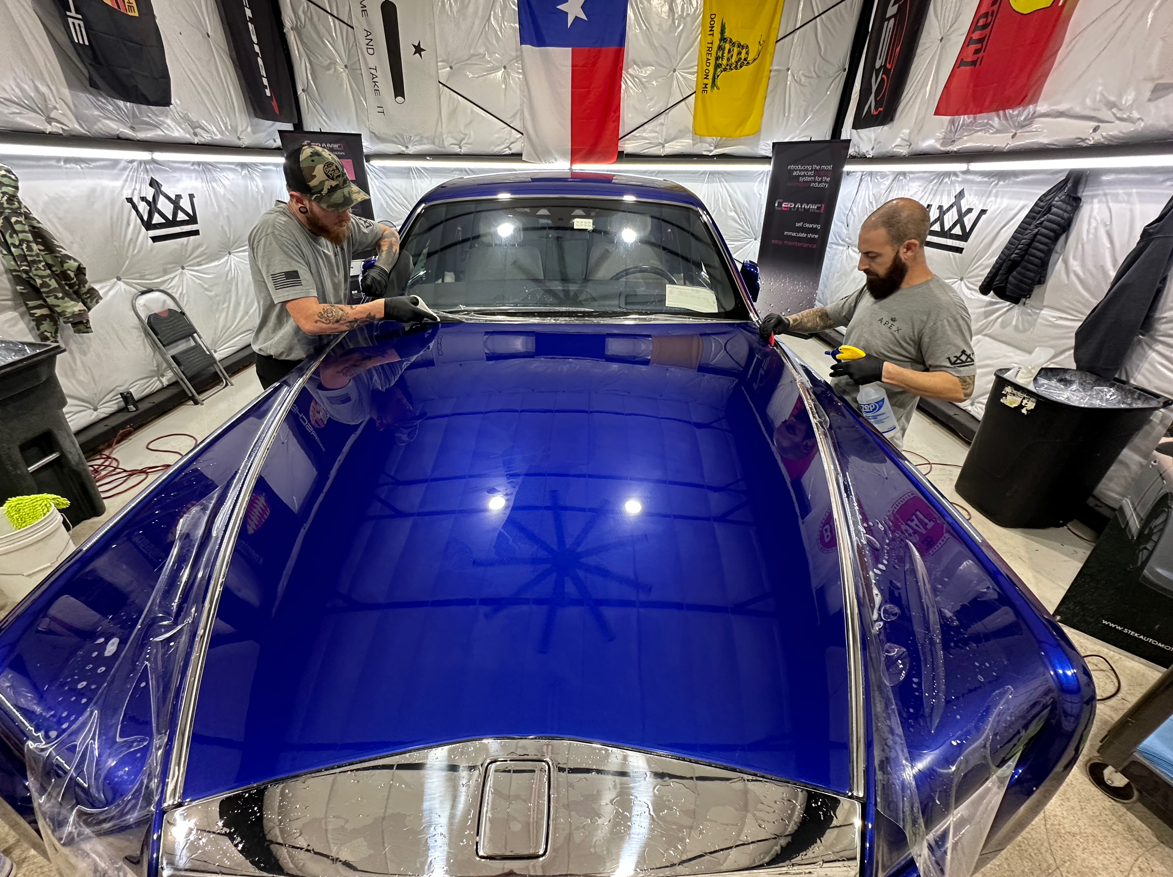
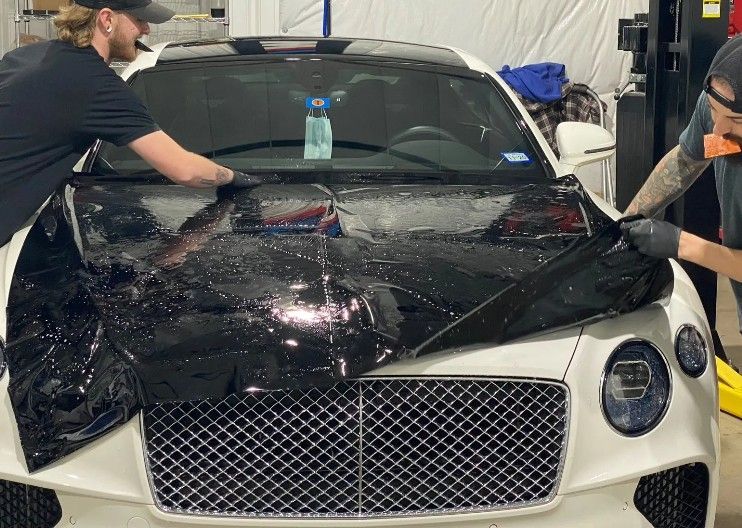
In contrast, full body PPF provides comprehensive coverage for nearly all painted surfaces, including doors, roof pillars, rear bumpers, rocker panels, and even door sills. This option offers peace of mind against chips, stains, bird droppings, tree sap, and UV damage uniformly over your entire vehicle. Full body coverage typically runs between $2,000 and $7,000 and requires several days for precise installation. What you pay for is a holistic safeguard that preserves paint integrity consistently across every panel and often includes longer warranty periods of up to 10 years.
One subtle advantage of full body PPF is its self-healing property. Modern films allow minor scratches to disappear under heat from sunlight or warm water, a feature harder to appreciate with only partial application because unwrapped panels remain prone to microabrasions that don't heal naturally. Full wraps also deter environmental wear such as oxidation caused by Texas' intense UV rays.
| Feature | Partial PPF | Full Body PPF |
|---|---|---|
| Coverage Area | Front bumper, hood front 12 to 24", mirrors | Entire vehicle exterior |
| Protection Scope | Chips and scratches on key impact zones | Complete protection from chips, scratches, stains, and UV |
| Installation Time | 4 to 8 hours | 2 to 5 days |
| Warranty Period | Typically 5 to 7 years | Often up to 10 years |
| Self-Healing Benefit | Limited | Fully effective on entire car |
Benefits of Partial PPF
Partial PPF is a smart choice for drivers who want solid protection without stretching their budget. With prices typically ranging from $900 to $1,800, it focuses on high-impact zones that encounter the most damage from gravel chips and road debris. This targeted approach delivers up to 80% reduction in paint chips on vulnerable spots, preserving your vehicle's factory finish where it counts most.
Many DFW drivers commuting daily along high-speed corridors find this option hits the right balance. Surveys from local vehicle owners report that nearly 7 out of 10 choose partial PPF because it offers enough defense against challenging Texas road conditions without the higher investment required for full-body coverage.
Partial PPF also means quicker installation, almost always completed within one to two days. This speedy turnaround is perfect if you rely heavily on your car daily. Repairs are simpler too. If a panel suffers damage, patching or replacing just that section is much less costly than dealing with a full-body wrap.
The environmental conditions in DFW demand smart choices. UV rays bleach paint fast, rock debris from highway driving aggressively chips bare surfaces, and road grime eats away at finishes. Partial PPF actively counters these issues on impact-prone spots. If you mainly drive in town or have a vehicle under lease, partial coverage guards what faces the highest risk while managing costs effectively.
Advantages of Full Body PPF
Full body PPF offers maximum shielding by covering every inch of your car's painted surfaces. This exhaustive coverage means no area is left exposed to flying gravel, road grime, bug splatter, or accidental door dings.
According to industry research, vehicles equipped with full body PPF experience up to an 85% reduction in paint damage over five years. That translates into substantial savings on costly repairs like repainting or panel refinishing. The film's self-healing feature means minor swirl marks or scratches often vanish with just exposure to heat from sunlight or warm water.
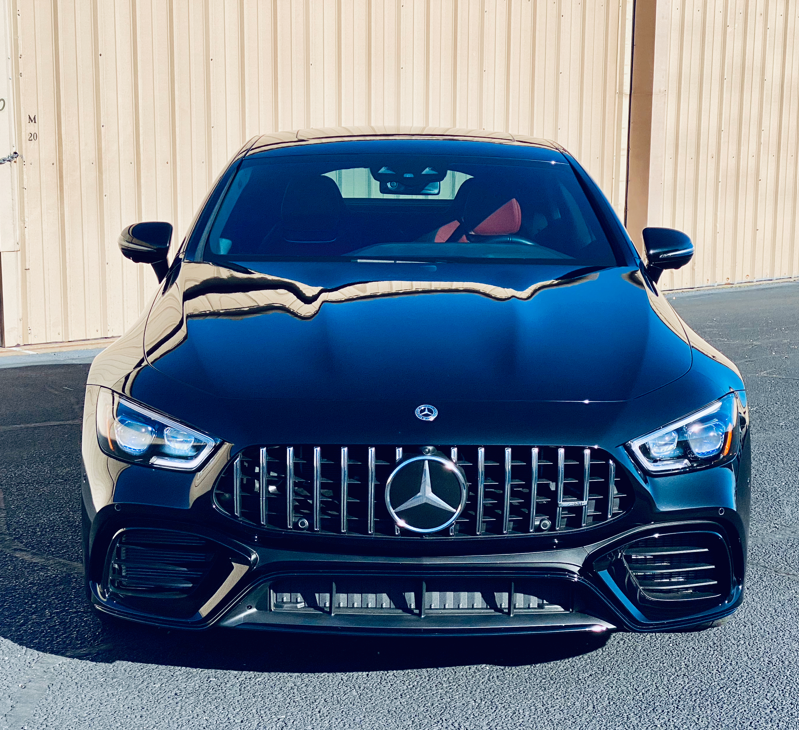
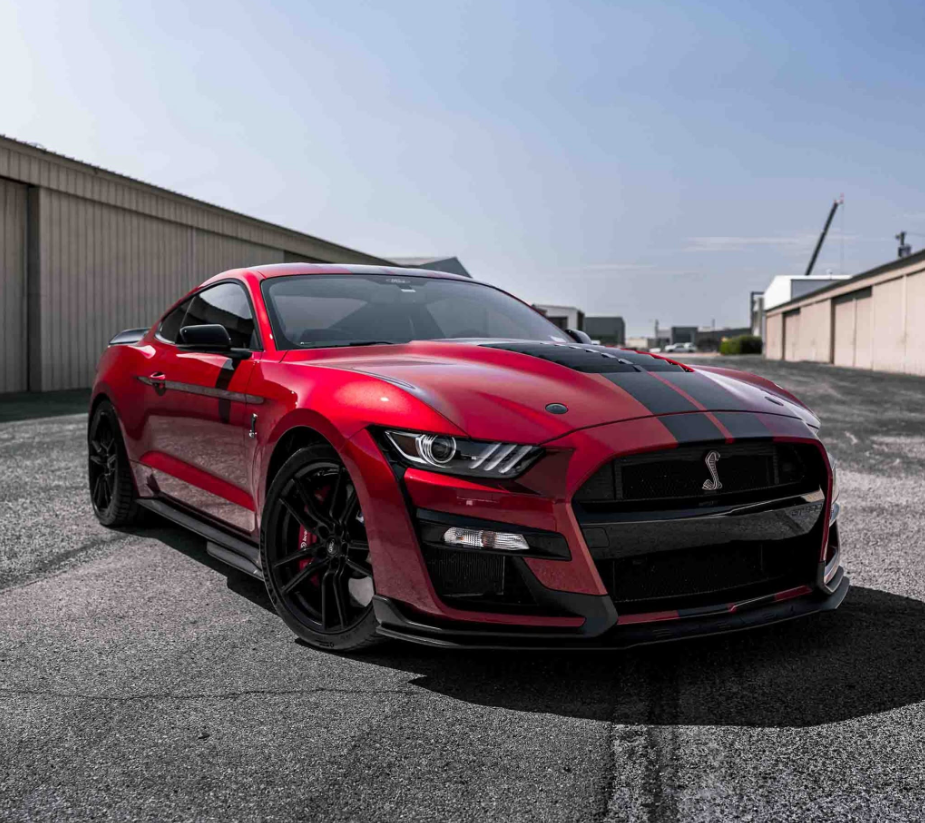
A major advantage often overlooked is the flawless aesthetic appeal. Unlike partial kits where you can spot noticeable edges where the film ends, full wraps offer a smooth, seamless finish that preserves factory gloss and texture consistently across all panels. For owners of luxury or high-end models, this aesthetic continuity is paramount.
With full body PPF applied by a trusted professional likeApex, worries about parking lot mishaps, random rock chips, or airborne debris nearly disappear. For DFW drivers dealing with harsh Texas sun, road grime, and airborne grit, full body PPF represents an investment in long-term preservation that pays dividends both financially and emotionally.
Coverage Areas and Effectiveness
Partial coverage focuses on front-end hotspots: bumper, partial hood, front fenders, side mirrors, and sometimes headlights. By installing PPF here, you shield about 30 to 40% of your car's painted surfaces, reducing damage risk by approximately 60 to 70% where applied.
Full body PPF covers every inch front to back, encapsulating approximately 100 to 150 square feet depending on vehicle size. It provides consistent UV protection across the entire surface, critical given Texas' intense sun exposure which accelerates paint fading and oxidation. Data shows vehicles with full body PPF report up to 50% fewer paint repairs over five years compared to those with partial protection.
| Coverage Type | Key Areas Covered | Protection Effectiveness |
|---|---|---|
| Partial | Front bumper, partial hood, fenders, mirrors | Protects 30 to 40% of surface; reduces damage approximately 60 to 70% |
| Full Body | Entire painted exterior including doors, roof, rear bumper | Protects 100% of surface; reduces damage approximately 90 to 95% |
Cost Differences
Partial PPF typically ranges from $900 to $1,800 depending on front-end coverage and vehicle complexity. Full body PPF generally runs between $4,000 to $7,000 or more. The cost difference reflects extensive materials, time, and expertise involved. Full wraps require meticulous cleaning, light paint correction, and a careful multi-day installation in a climate-controlled environment.
Professional labor constitutes the largest portion, sometimes up to 70% of total cost. Specialty films like matte or colored variants add around 10 to 15% extra. Over the long haul, full body PPF often pays dividends for owners who plan to keep their vehicles for years, as comprehensive coverage helps maintain paint integrity and boost resale value significantly.
Impact on Vehicle Appearance
With partial PPF, visible edges where the film ends can slightly interrupt the smooth flow of your car's paintwork. Adjacent panels may show uneven aging as protected sections maintain shine while exposed areas develop wear.
Full body PPF excels by offering a seamless appearance that aligns perfectly with your vehicle's natural contours. Full coverage retains about 95 to 98% of the original paint's gloss for years after installation and scores higher in texture consistency (around 9 out of 10) compared to partial wraps (6 out of 10). If aesthetic integrity ranks high in your priorities, full body PPF offers unbeatable uniformity.
Choosing the Right PPF for Your Car
Your decision comes down to driving habits, vehicle type, and ownership plans. When deciding your package, consider:
- Driving frequency and routes: More highway travel favors full coverage.
- Vehicle market value: Higher-end cars justify greater protection investment.
- Ownership duration: Longer-term owners reap more benefit from full wraps.
- Budget constraints: Partial coverage offers effective targeted protection at lower cost.
- Maintenance willingness: Full PPF reduces stress around chips and scratches; ceramic coatings complement PPF by adding water-repellent properties.


Protect Your Car With Expert PPF Installation
Whether you choose partial protection or a full-body wrap, professional installation makes all the difference in durability, appearance, and long-term value. At Apex, our certified installers use premium self-healing films and precision techniques to ensure flawless coverage tailored to your driving habits and budget.
Call us at 855-998-2739 today to book a consultation online to get the right PPF package for your vehicle.
FAQs on Partial vs Full Body PPF
1. Is partial PPF enough to protect my car?
Partial PPF protects high-impact areas like the front bumper, hood edge, mirrors, and fenders where most rock chips and road debris damage occurs. It is a practical option for daily drivers, leased vehicles, or owners looking for targeted protection at a lower cost.
2. How long does full body PPF last?
Full body PPF typically lasts 7 to 10 years depending on film quality, installation expertise, and maintenance. Premium films installed by professionals like Apex often include manufacturer warranties covering yellowing, peeling, and cracking.
3. Does full body PPF increase resale value?
Yes. Full coverage helps preserve factory paint condition, reducing repainting needs and improving buyer confidence. Vehicles with well-maintained PPF often retain stronger resale appeal.
4. Can you see the edges with partial PPF?
In some cases, yes. Partial PPF may show visible edges where the film ends, especially under certain lighting. Full body PPF provides a seamless finish across all panels.
5. How long does PPF installation take?
Partial PPF: usually 4 to 8 hours
Full body PPF: typically 2 to 5 days due to detailed preparation and installation
6. Which option is better for highway drivers in DFW?
Drivers frequently traveling on highways benefit more from full body PPF due to increased exposure to gravel, debris, and environmental contaminants common across the DFW area.
7. Can PPF be removed without damaging paint?
Yes. Professionally installed PPF can be safely removed without harming factory paint, making it ideal for leased vehicles or owners planning resale.