Is Paint Protection Film Worth It? Key Benefits for Dallas Car Owners
If you've ever noticed tiny chips or abrasions on your car's paint and wondered how to keep it looking fresh, you're not alone. Car owners often ask whether investing in paint protection film (PPF) is worth the cost and effort. In this article, we break down what PPF really does, how it protects your vehicle, and why many consider it a smart investment for long-term vehicle care.
Paint protection film is worth the investment for car owners looking to preserve their vehicle's exterior from rock chips, and environmental damage. It provides durable, long-lasting protection that maintains your car's appearance and reduces costly paint repairs over time, making it an excellent choice for long-term vehicle ownership.
Comprehensive Protection Overview
Paint protection film is a sophisticated defense system designed to safeguard your car's finish from everyday hazards. Made from thermoplastic urethane, this material actively defends your paint from rock chips, minor abrasions, and environmental contaminants that gradually degrade surfaces over time.
The film's self-healing properties set it apart from other protection methods. When your car picks up small abrasions from car washes, brushes against bushes, or handling luggage in tight parking spaces, the heat of the sun or warm water causes the PPF to reform itself. These minor imperfections virtually disappear without you lifting a finger, keeping your vehicle looking fresh far longer than traditional clear coats alone.
PPF also blocks up to 99% of harmful ultraviolet (UV) rays, which fade colors and accelerate oxidation. The average thickness ranges between 6 to 8 mils (about 0.15 to 0.20 millimeters), providing enough durability to absorb impacts on vulnerable areas like the bumper, hood, fenders, and mirrors while remaining virtually invisible.
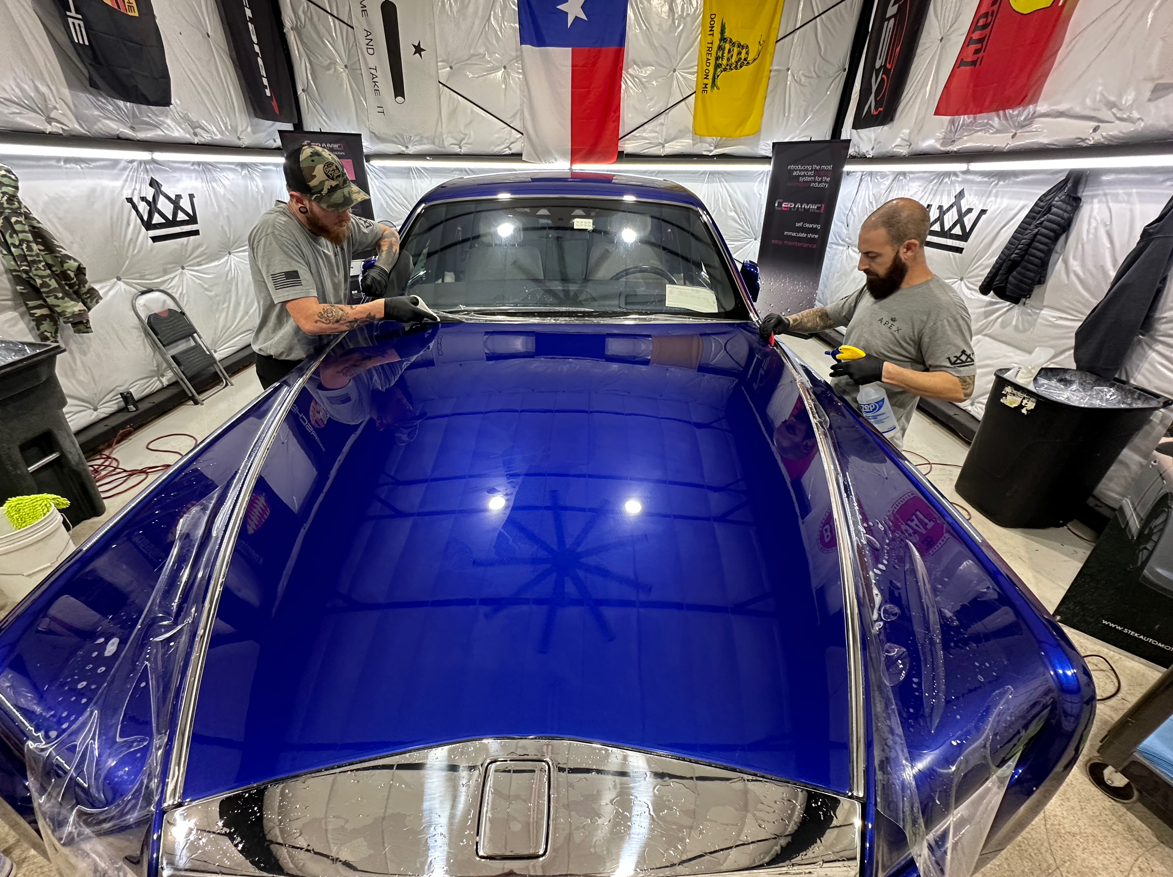
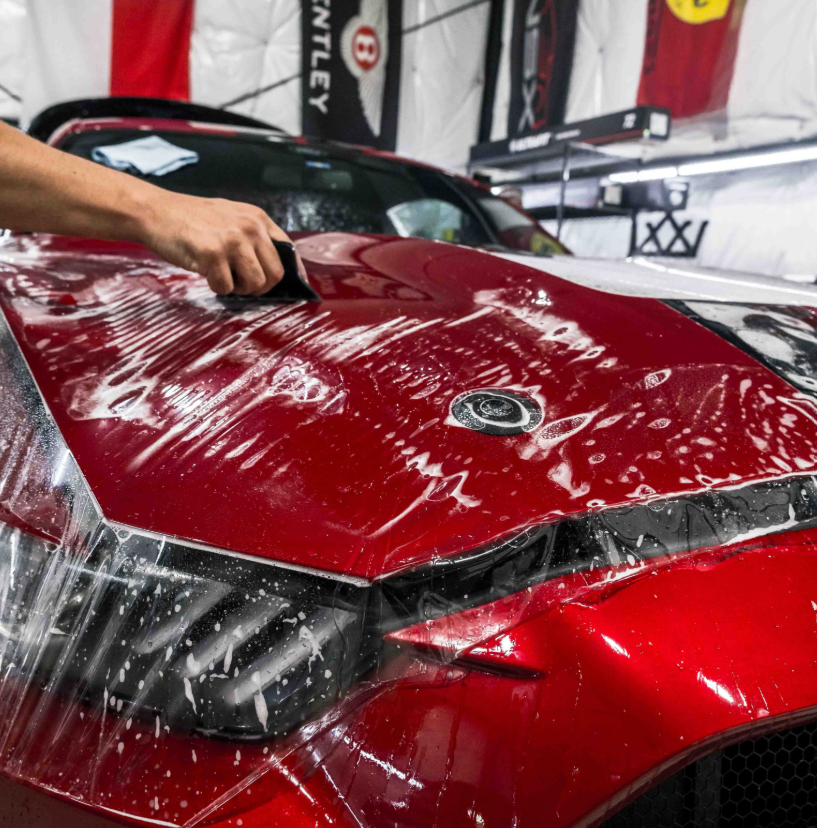
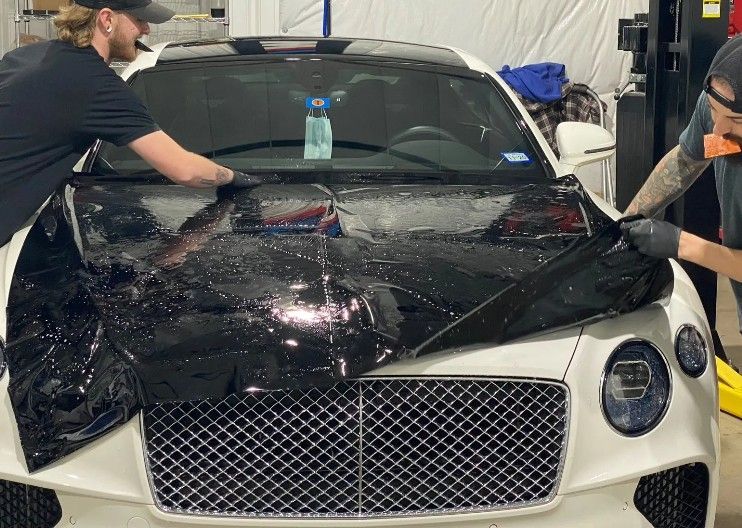
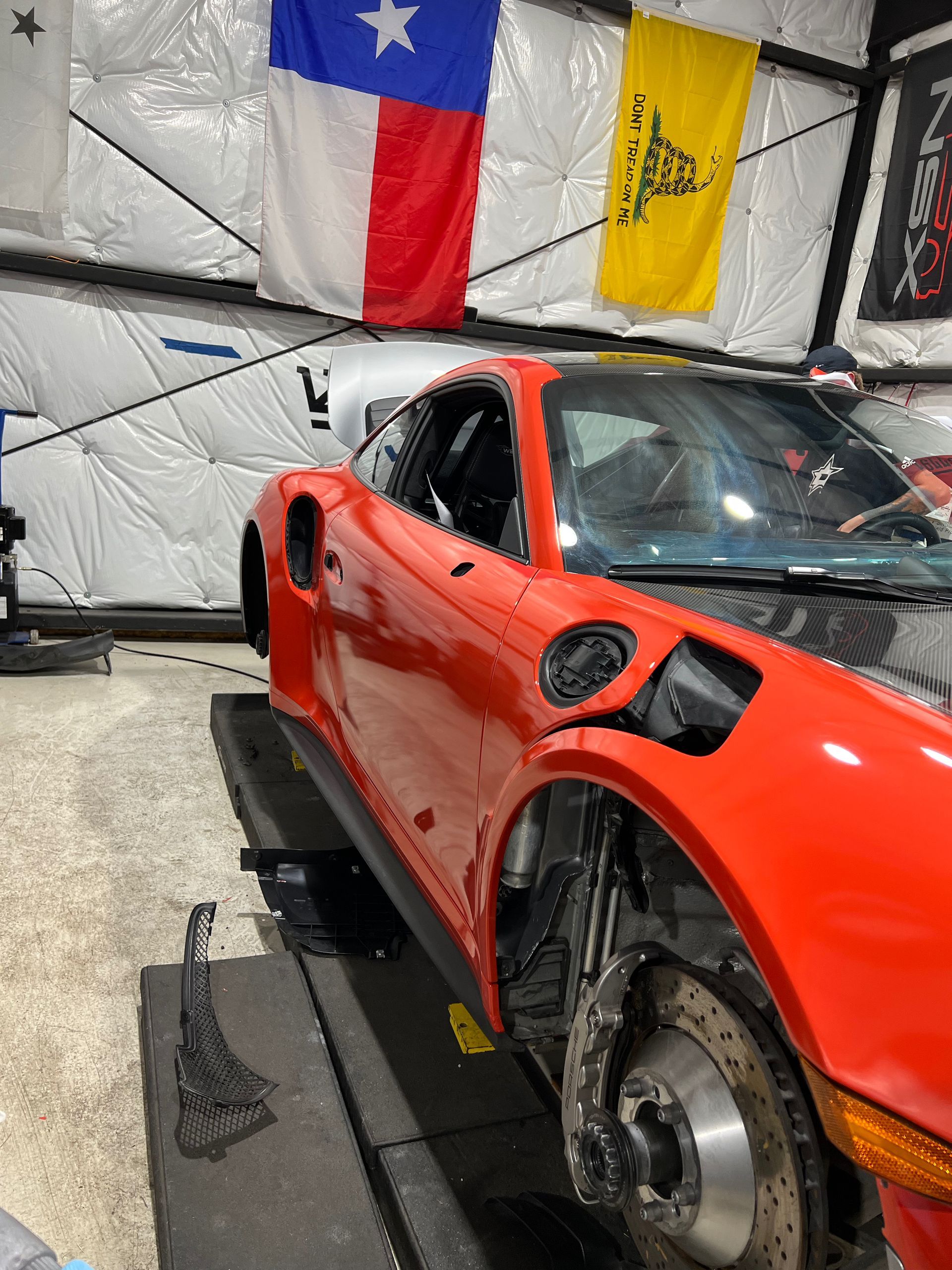
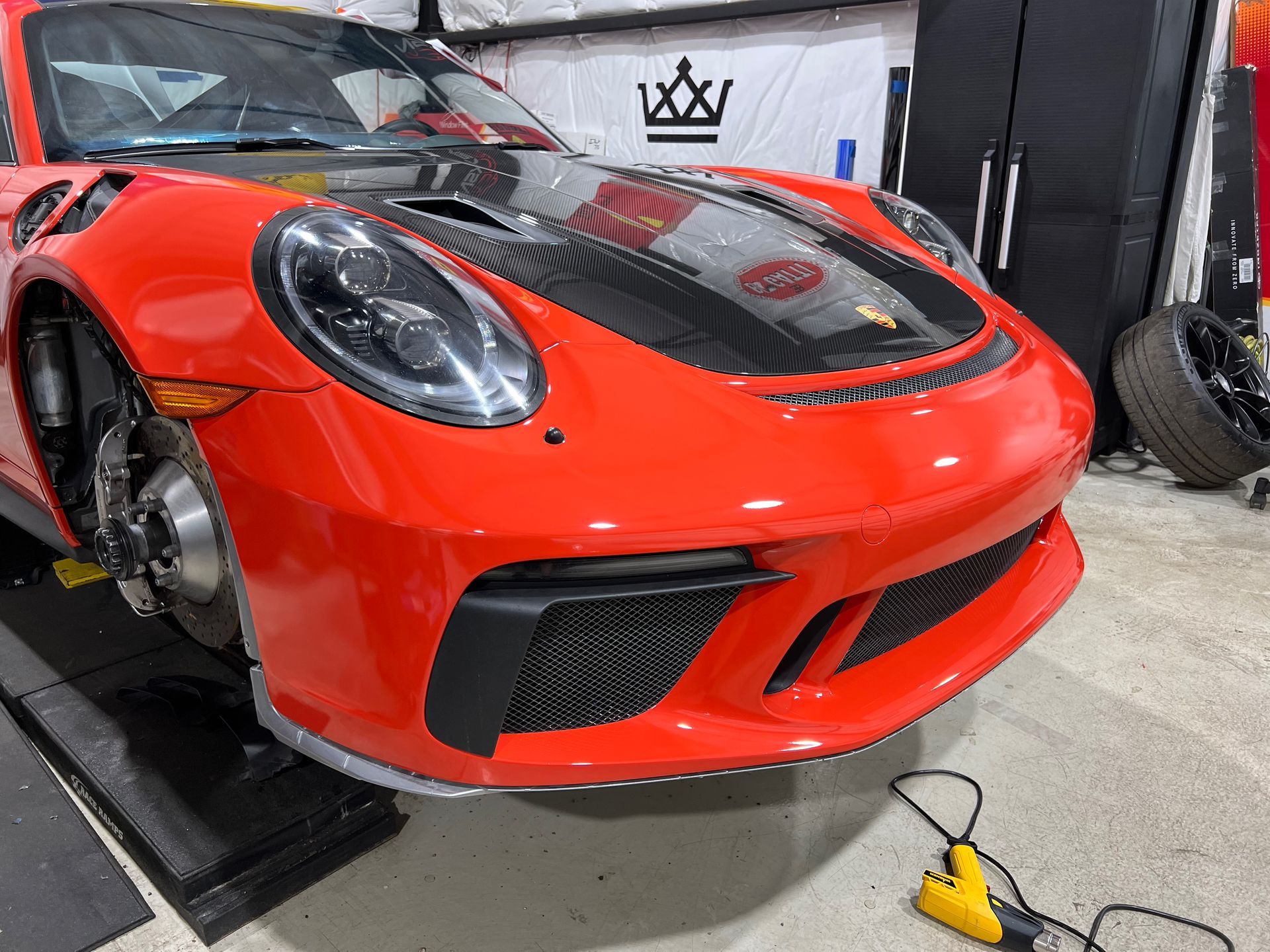
Professional installation is strongly recommended, as expert installers use vehicle-specific software patterns ensuring the film fits flawlessly without bubbles or edges prone to peeling. At Apex, pairing PPF with a high-quality ceramic coating is frequently recommended for clients serious about vehicle preservation, as this combination resists water spots, dirt buildup, and chemical stains.
Shielding from Environmental Damage and Chips
PPF acts as durable yet flexible armor for your car's most vulnerable surfaces. The urethane-based material absorbs impacts from flying gravel, road debris, and accidental brushes against rough surfaces that would otherwise mar your vehicle's paint. Because it's both elastic and firm, PPF disperses energy over a larger area, preventing sharp, concentrated impacts from penetrating through to the paint.
This protection is crucial for high-impact zones such as the front bumper, hood, side mirrors, and door edges, which are prone to micro-abrasions and rock chips. The film acts like a sacrificial skin: it takes the hits so your paint doesn't have to. Over time, this preservation translates into fewer costly repairs and maintains your car's showroom shine.
Take Sarah's story, for example. As a daily commuter whose car frequently encountered loose gravel on Dallas highways, tiny chips accumulated rapidly across her bumper and hood before installing PPF. After applying professionally installed film on key sections, the protective layer absorbed the majority of impacts, leaving her paint unblemished and saving her hundreds in potential touch-up costs while helping maintain better resale value.
Longevity and UV Resistance
Paint protection film stands apart from other surface treatments because of its remarkable durability. While conventional car waxes and sealants require reapplication every few months, high-quality PPF can remain effective for anywhere between five to ten years. This longevity means less frequent maintenance and a consistent shield over your paintwork, making it especially appealing for car owners who want lasting protection without constant upkeep.
PPF's built-in UV inhibitors block up to 99% of harmful rays while allowing natural light to pass through. This selective filtration protects the color beneath, preserving the showroom shine far longer than traditional products and reducing the necessity for costly repaint jobs. Avoiding premature fading or oxidation also keeps resale value intact by preventing patchy or uneven paint deterioration.
Pairing PPF with ceramic coating optimizes protection by combining physical impact resistance with hydrophobic properties and chemical resistance that ease cleaning. Together, they form comprehensive armor that keeps paint pristine much longer than either alone.
Cost vs. Benefits
The sticker shock of paint protection film can make anyone hesitate. Seeing a $1,500 to $5,000 or above price tag on a full-car application isn't easy on the wallet. But consider the alternative: regular touch-ups, spray jobs, or a full repaint that costs thousands, comes with downtime, and compromises your car's original factory finish that few things can fully replicate.
PPF acts as a financial shield against those future costs by preventing damage before it happens. The value of preserving your car's appearance directly impacts resale value. Cars that maintain pristine paintwork attract higher offers from buyers because they promise lower future expenses. Studies consistently show vehicles with intact original finish command better prices at resale or trade-in time.
Some skeptics argue that waxing or ceramic coatings might be sufficient for everyday use. However, these alternatives don't physically prevent damage; they can only delay wear or add minor surface protection. Unlike PPF's robust film barrier that absorbs impacts from road debris and stones, waxes scrub off quickly and ceramic coatings remain vulnerable to chips and minor abrasions. For peace of mind across any budget or vehicle class, PPF offers unmatched durability.
If you're curious about aligning PPF coverage with your financial plans, visit our comprehensive pricing guide at Apex for package options ranging from front-end coverage to full-vehicle wraps.
Impact on Your Car's Appearance
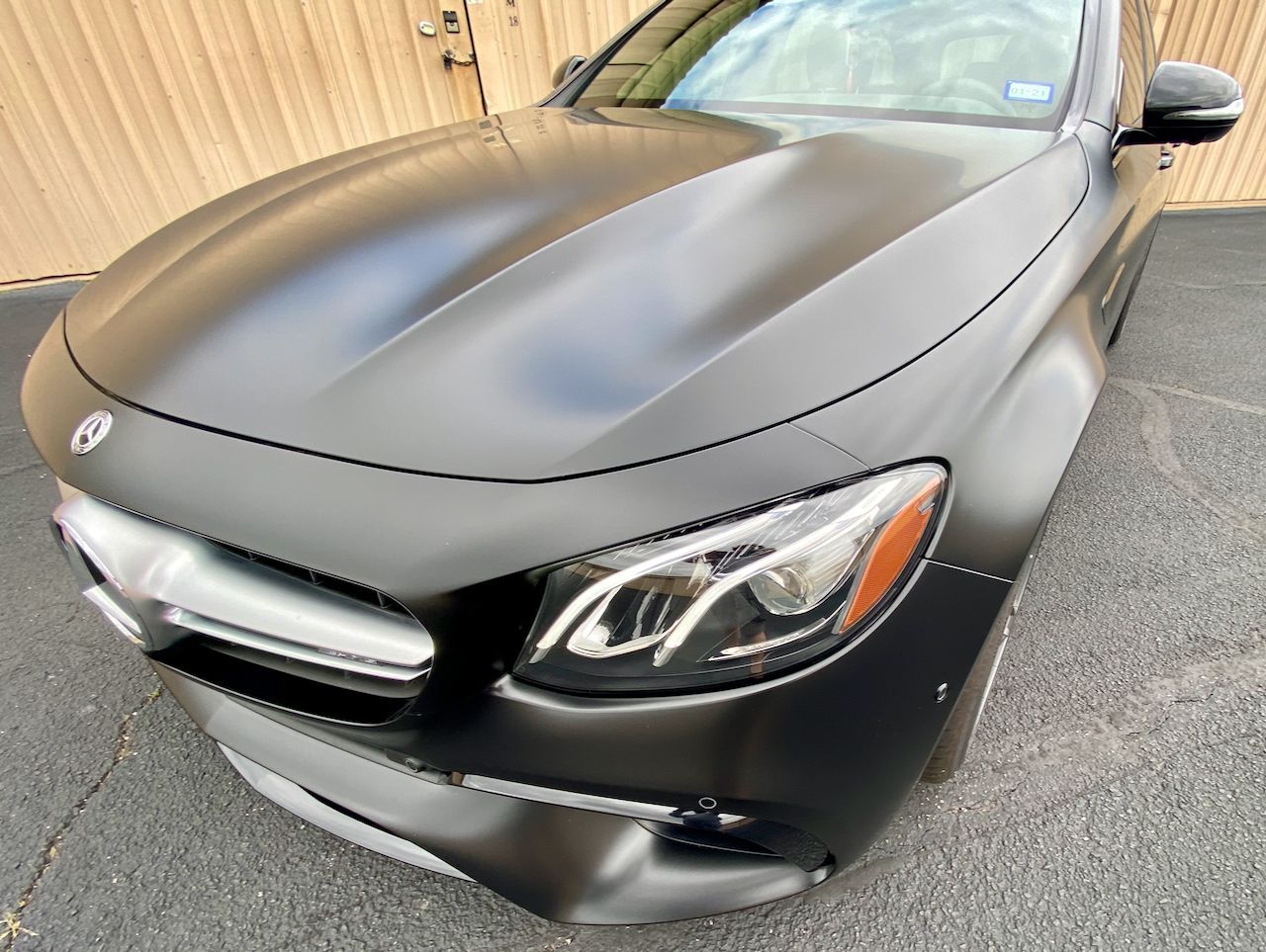
Many car owners hesitate to invest in PPF because they worry it might change how their vehicle looks. The good news is that high-quality PPF acts like invisible armor, blending seamlessly with the paint while enhancing your car's natural shine. Its clarity and thinness allow the original color, metallic flakes, or pearl effects to shine through vividly, often boosting gloss due to its optical properties.
Cheaper or DIY films can cause problems over time, yellowing from UV exposure or showing peeling edges within months. Take Jason's experience as a cautionary tale: excited about protecting his luxury sedan, he chose a lower-cost option. Within a few years, yellowing and peeling edges made his car look neglected. Upon switching to professional-grade PPF installed by experienced technicians at Apex, he rediscovered that flawless, showroom-ready finish.
Key tips for maintaining your PPF's flawless look:
- Always wash your car with pH-neutral soaps to avoid degrading the film
- Avoid high-pressure washers directly on edges to prevent premature lifting
- Use soft microfiber towels when drying to reduce swirl marks
- Schedule periodic inspections at trusted detailers like Apex to catch subtle wear early
Resale Value and Maintenance
When selling or trading in a vehicle, buyers naturally gravitate toward cars that appear well cared for, and this is where PPF truly shines. A properly installed and maintained film guards against stone chips, and fading, so these blemishes simply don't accumulate over time. The car projects careful ownership that buyers and appraisers recognize as valuable, often translating to higher offers and smoother sales.
Maintenance with PPF is surprisingly straightforward. The film's smooth surface naturally resists dirt and grime, requiring less scrubbing. Minor abrasions are absorbed by the PPF layer, eliminating the need for immediate paint fixes. Regular inspections catch edge lifting early, ensuring continued protection. Even harsh Dallas conditions, including the intense Texas sun, road debris, and occasional hail, won't accelerate wear as quickly when PPF is involved.
John installed PPF on his brand-new car from day one and maintained it with routine cleanings. Four years later, buyers noticed how pristine the paint remained. He confidently listed it near his original purchase price, a remarkable result largely credited to his investment in paint protection film.
Final Verdict on PPF Investment
Whether PPF is worth it ultimately depends on your vehicle ownership goals. If preserving a showroom-fresh look for years to come, reducing costly paint repairs, and safeguarding against everyday hazards like rock chips are priorities, then PPF stands out as a robust solution.
Proper maintenance, including regular washing and occasional professional detailing, is essential to maximize PPF's lifespan. Many experts advise pairing PPF with ceramic coating for enhanced hydrophobic properties and simplified cleaning routines. Quality installation is critical; cutting corners results in peeling edges or bubbles that compromise both protection and appearance.
If you plan on keeping your vehicle for many years, appreciate its aesthetics, and want peace of mind against paint damage, investing in PPF is a smart move. However, if you see yourself trading vehicles frequently or prioritize budget over longevity, alternatives like ceramic coatings alone might better suit your needs.
Ready to Preserve Your Car’s Paint for Years to Come?
Paint protection film is a smart investment for Dallas car owners who want long-term defense against rock chips, harsh sun exposure, and everyday road wear. If you value preserving factory paint, maintaining resale value, and avoiding costly repairs, professional PPF installation offers peace of mind that surface-level coatings cannot match. A high-quality paint protection film service ensures proper coverage, long-term durability, and a finish that stays virtually invisible while shielding your paint from chips, UV damage, and road debris.
Get expert guidance from Apex to explore PPF options tailored to your car and driving habits. Call (855) 998-2739 or book a consultation online to protect your vehicle with confidence.
Frequently Asked Questions
Are there any drawbacks or maintenance requirements associated with paint protection film?
PPF requires regular washing with gentle, non-abrasive cleaners to avoid peeling or yellowing. Minor repairs can be costly if the film is punctured by sharp objects. According to a 2024 survey, about 12% of users report slight discoloration after three years, typically due to improper upkeep. It demands care, but for many drivers, the protection is well worth the effort.
What is the average lifespan of paint protection film?
PPF typically lasts 5 to 10 years depending on film quality and maintenance. Premium films often come with warranties covering up to a decade, featuring advanced technology that resists yellowing, cracking, and staining.
How does PPF compare to traditional wax or ceramic coatings?
PPF offers a physical shield that wax or ceramic coatings cannot match. While ceramic coatings last up to 5 years and wax only months, high-quality PPF protects for 7 to 10 years with minimal maintenance. PPF also self-heals minor abrasions under heat, something no coating can do. For comprehensive paint protection, PPF is the clear winner.