DIY vs Professional Ceramic Coating: Comparison, Benefits, and Cost Guide
When it comes to protecting your car's paint, ceramic coatings have become a popular choice for their ability to keep surfaces shiny and resistant to dirt, and weather. But should you tackle the ceramic coating yourself or hire a professional? Both options have clear benefits and drawbacks, from cost and time to quality and durability. In this article, we'll break down the key differences between DIY and professional ceramic coatings so you can decide which approach fits your needs and budget best.
Comparing DIY and Professional Ceramic Coatings
Professional ceramic coatings typically employ advanced formulas with higher concentrations of silica dioxide (SiO2), a key element that ensures durability and glossy protection. These industrial-grade products create a protective shield lasting 2 to 5 years or longer when properly maintained. In contrast, DIY kits usually contain lower SiO2 percentages, offering protection that lasts around 1 to 3 years depending on upkeep.
The difference in coating composition isn't just about longevity but also how well the coatings resist contaminants like dirt, bird droppings, or road salt. Professional-grade materials form harder, more hydrophobic layers that repel water and grime more effectively. This leads to less frequent washing and an enduring shine, which many car enthusiasts find worth the investment.
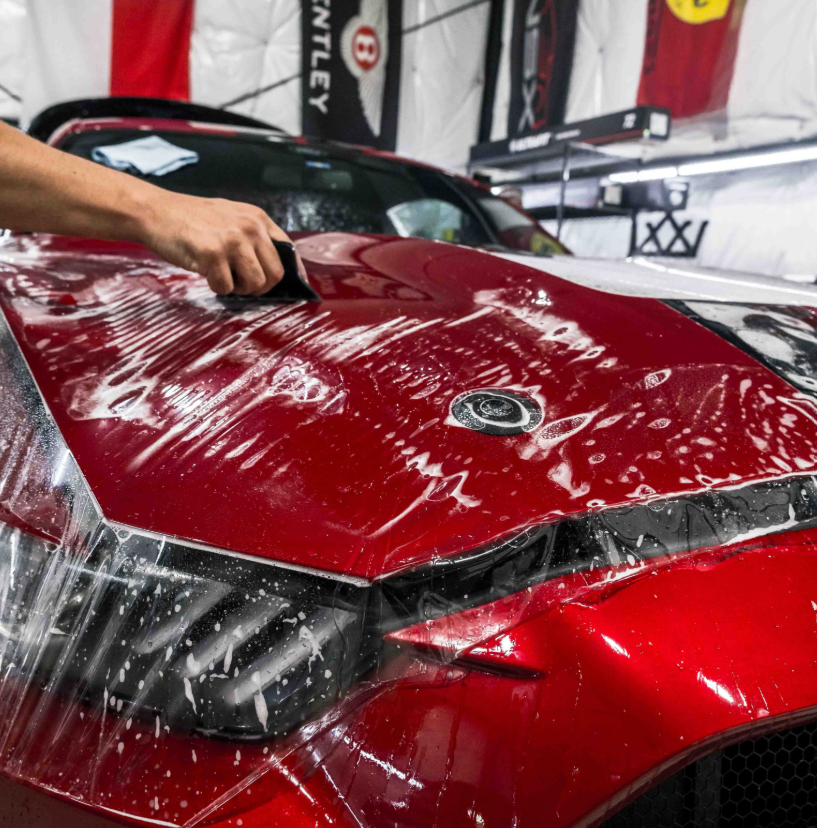
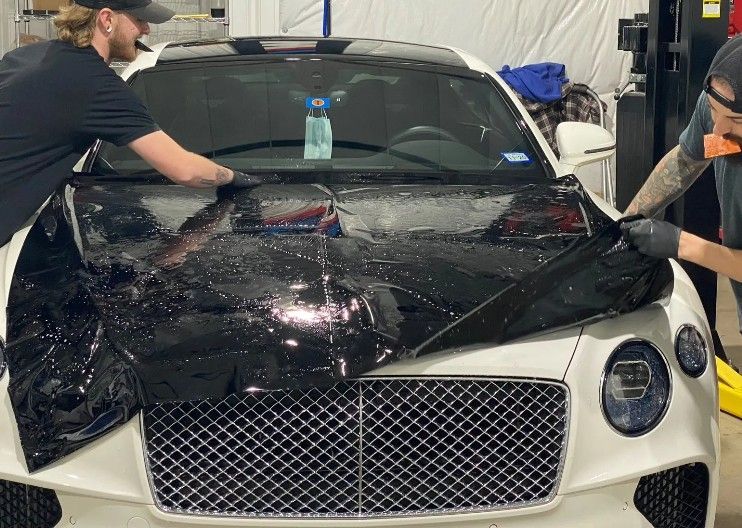
DIY kits costing $50 to $150 offer budget-friendly protection, but require meticulous surface preparation, including multi-step polishing and decontamination, to avoid sealing imperfections under the coating. Professional services offer convenience coupled with expertise. Detailers use controlled environments and specialized equipment for thorough paint correction before applying thicker, industrial-grade coatings. Many reputable pros back their work with warranties spanning several years.
Benefits of DIY Ceramic Coating
Choosing to apply a ceramic coating yourself opens the door to substantial cost savings. While professional services range from $500 to $2,000 depending on vehicle size and product quality, DIY kits typically cost just $50 to $150 per application. This dramatic difference makes protection accessible even on a tight budget. For those with multiple vehicles or who regularly refresh their coating, this affordability really adds up over time.
DIY options also bring scheduling flexibility that's hard to match with professional services. You can choose the exact day and time that works best, instead of waiting weeks for an appointment or navigating shop schedules. Everything happens right in your driveway or garage. There's also something deeply rewarding about mastering a skill that connects you more closely with your vehicle.
To get the best results, invest time in proper surface preparation: thorough washing, clay bar decontamination, polishing, and wiping down with isopropyl alcohol before application. Skipping these steps risks trapping dirt or imperfections beneath the coating, reducing effectiveness and gloss.
Application Techniques for DIY Coating
Applying a DIY ceramic coating requires careful technique at every step. Start by washing with a pH-neutral shampoo to clear surface grime, then use a clay bar to remove invisible grit lodged in the paint. If your paint has abrasion or swirl marks, polishing should never be skipped. Using a dual-action polisher with proper compounds refines the surface and corrects imperfections before the ceramic layer locks them in place.
After polishing, wipe the entire vehicle with an IPA (isopropyl alcohol) solution to dissolve oils and residues that water alone can't remove. This step ensures proper bonding between the coating and your paint.
When applying the coating, work in small sections (usually 2-by-2 feet) using a microfiber or foam applicator pad. Spread the coating in a steady crosshatch motion, moving vertically then horizontally. Immediately buff each section with a fresh microfiber cloth before it cures. Waiting too long causes high spots that harden into a dull haze.
Ceramic coatings cure best in controlled conditions: temperatures around 60°F to 75°F and humidity below 50%. Most products require an initial cure window of 1-2 hours inside, with some recommending up to 48 hours before water exposure.
Application Techniques for DIY Coating
Applying a DIY ceramic coating requires careful technique at every step. Start by washing with a pH-neutral shampoo to clear surface grime, then use a clay bar to remove invisible grit lodged in the paint. If your paint has abrasion or swirl marks, polishing should never be skipped. Using a dual-action polisher with proper compounds refines the surface and corrects imperfections before the ceramic layer locks them in place.
After polishing, wipe the entire vehicle with an IPA (isopropyl alcohol) solution to dissolve oils and residues that water alone can't remove. This step ensures proper bonding between the coating and your paint.
When applying the coating, work in small sections (usually 2-by-2 feet) using a microfiber or foam applicator pad. Spread the coating in a steady crosshatch motion, moving vertically then horizontally. Immediately buff each section with a fresh microfiber cloth before it cures. Waiting too long causes high spots that harden into a dull haze. Ceramic coatings cure best in controlled conditions: temperatures around 60°F to 75°F and humidity below 50%. Most products require an initial cure window of 1-2 hours inside, with some recommending up to 48 hours before water exposure.
Advantages of Professional Ceramic Coating
Professional ceramic coating delivers expert skill and precision through technicians who have honed their technique through countless applications. Unlike DIY enthusiasts applying coating for the first time, professionals know exactly how to handle tricky surfaces such as curved panels, edges, and areas prone to excess product buildup, ensuring your car receives a flawless finish.
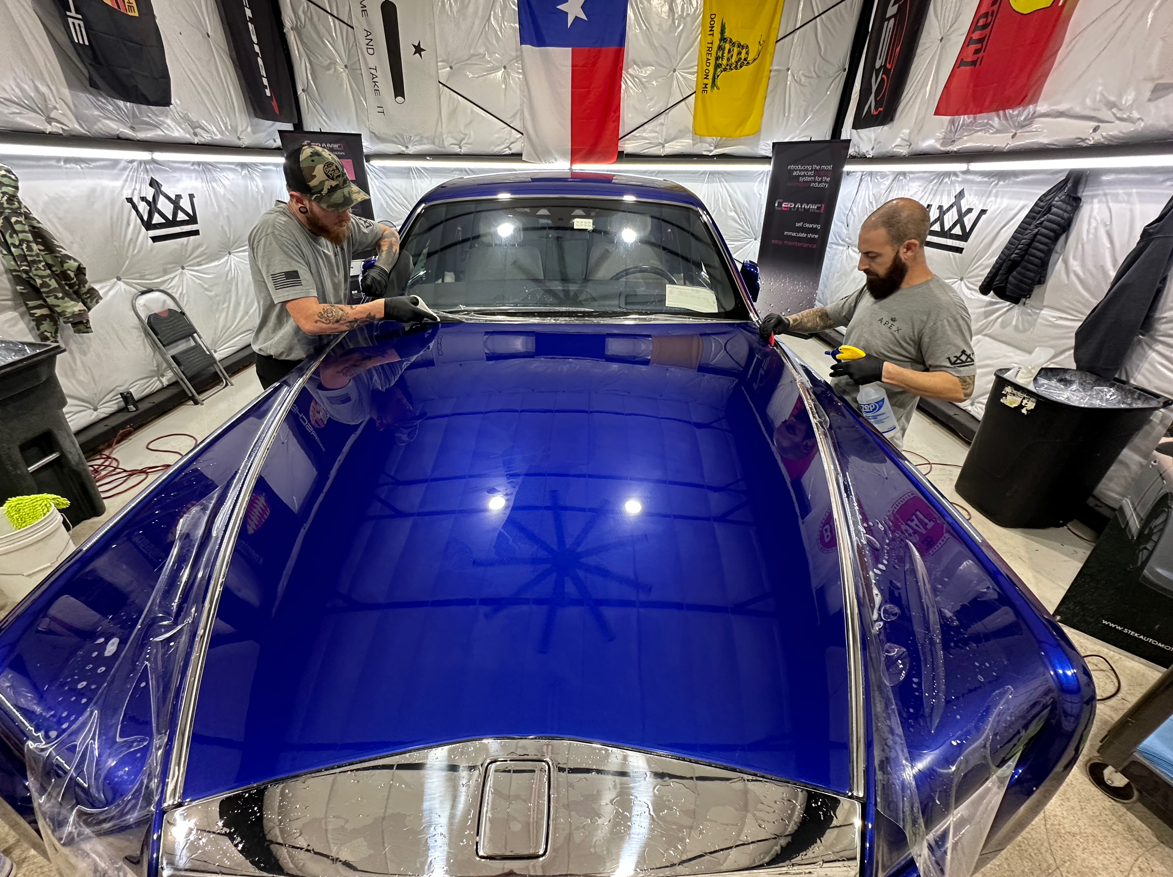
Professional detailers work in temperature-controlled rooms with dust-free air, significantly reducing the chance of imperfections from contaminants settling on freshly coated paint. This level of control plays a huge role in achieving the glass-like shine ceramic coatings promise. A skilled team can complete the extensive process in 6 to 8 hours on average, compared to multiple weekends for DIY enthusiasts.
Many reputable shops include multi-step paint correction as part of their standard package. This correction involves polishing out swirls, and oxidation before coating, so your car doesn't just gain protection; it often regains its showroom gloss and depth. Professional detailers also commonly include warranty coverage spanning 1 to 3 years, providing peace of mind against coating failure or defects.
Cost Analysis: DIY vs Professional
DIY kits generally cost $50 to $150, depending on product quality. If you don't already own polishing tools or microfiber cloths, expect an extra $100 to $300 for those essentials. Professional ceramic coating services typically range from $500 to $2,000+, based on vehicle size, paint condition, and package comprehensiveness. They handle every aspect including surface prep and correction, so the cost usually includes polishing tools and labor.
This difference in upfront investment reflects more than just convenience. DIY coatings typically last six months to a year before losing shine and protective qualities, while professional applications often provide 3 to 5 years of reliable protection or more when paired with regular maintenance. Professionals start with a paint correction phase that removes swirls and imperfections so the coating bonds perfectly to a smooth surface.
For cherished cars, exotics, or valued daily drivers, investing in professional ceramic coating better safeguards paint while enhancing shine and resale value for years.
Longevity and Results: What to Expect
A well-executed DIY job can protect your vehicle's paint for about one to two years. The key factor is the thoroughness of prep. If you skip polishing out abrasion marks or don't fully decontaminate, those imperfections get locked beneath the coating, undermining durability and appearance. Consumer-level products contain lower SiO₂ concentrations, meaning the protective layer they form is thinner and less resilient over time.
Professional coatings feature SiO₂ concentrations well above 80%, delivering a notably thicker and tougher barrier against UV rays, acid rain, bird droppings, and minor abrasions. This level of care contributes to warranties often extending five years or more, reflecting confidence in both product quality and application skill. A professionally coated vehicle will resist fading and staining while maintaining a deep gloss that really makes your paint pop.
For many customers at Apex, combining professional preparation with occasional DIY top-ups strikes a practical balance: professionals bring out flawless brilliance upfront while owners take pride in maintaining that finish over time.
"Professional ceramic coatings provide lasting strength and depth that'll keep your vehicle looking showroom fresh for years. DIY coatings offer an accessible way to protect your paint affordably with commitment."
Make the Right Ceramic Coating Choice for Long-Term Paint Protection
DIY ceramic coatings can be appealing for budget-conscious car owners, but professional ceramic coating offers consistency, durability, and expert-level paint correction that delivers noticeably better results over time. If you are weighing cost versus longevity, getting guidance from experienced professionals can prevent costly mistakes and help preserve your vehicle’s finish.
Connect with Apex for expert car ceramic coating advice and professional application options. Call 855-998-2739 or book a consultation online to keep your car protected and looking its best for years to come.
Frequently Asked Questions
How do warranties compare between professional services and DIY products?
Professional ceramic coating services typically offer robust coverage of 2 to 5 years backed by strict application standards, while DIY products generally provide limited or no warranties. Studies show professional coatings maintain durability up to 40% longer due to precise application and quality assurance, making professionals the safer choice for peace of mind.
Are there risks when applying ceramic coating yourself?
Yes. DIY ceramic coating can result in uneven application causing streaks or contaminated surfaces leading to poor adhesion. Studies show that nearly 30% of DIY attempts result in patchy finishes or reduced durability requiring costly corrections. Improper prep or curing can trap dirt and oils, undermining the entire process.
What are the main differences in durability and effectiveness?
Professionally applied coatings typically last 2-3 times longer (up to 5 years) and offer superior protection due to expert surface prep and application precision. DIY kits usually last 6-12 months with less consistent coverage. Professionals use advanced products that bond better at a molecular level, ensuring enhanced resistance to UV rays, and chemicals.