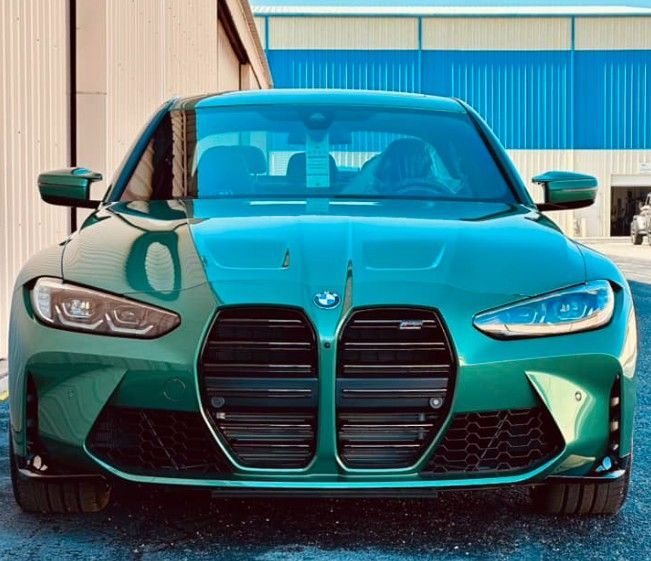
How PPF Protects Your Car From Texas Sun and Road Hazards
If you drive in Texas, you know the sun is not just bright. It is intense and it does not let up. Combine that heat with rough pavement, construction zones, and highway gravel, and your paint takes a beating every day. Paint protection film, or PPF, is a clear urethane layer applied over your vehicle's painted surfaces to absorb that punishment before it reaches the finish. Here is how it performs in Texas conditions and what matters when you have it installed.
Paint protection film is a clear, self-healing urethane layer that shields paint from UV exposure, heat cycling, rock chips, and chemical fallout. Installed correctly, it keeps the finish looking sharp and helps protect resale value in an environment that is hard on vehicles year-round.
Why Texas Roads and Sunlight Are Hard on Paint
Texas puts two kinds of pressure on a finish at once. The first is ultraviolet exposure, which breaks down the clear coat above your color layer and leads to fading, chalky oxidation, and eventually cracking. The second is physical. Highways across the Dallas-Fort Worth Metroplex throw up gravel, sand, and construction debris, and every impact leaves a mark.
Wax and sealants add a thin sacrificial layer, but they are measured in months and do nothing against a rock at highway speed. PPF is a different category of product: a clear polyurethane film, typically 8 to 12 mils thick, applied to the painted surfaces of your vehicle. It absorbs impacts, blocks contaminants, and takes the wear that would otherwise land on your paint.
Driving habits change what you need. Highway commuters face fast moving debris on the front end, while city drivers deal more with parking lot scuffs. At APEX in Addison, coverage is matched to how you drive, where you store the vehicle, and how long you plan to keep it.
Protection From UV Damage and Fading
Ultraviolet light does its damage at the chemical level, breaking the bonds in your clear coat until the surface loses gloss and looks tired even after a wash. Once oxidation sets in, polishing can only do so much, because there is a finite amount of clear coat to work with.
Quality paint protection film carries UV inhibitors built into the topcoat rather than applied on top of it. STEK DYNOshield, one of the films APEX installs, uses UV resistant adhesives and a nano-ceramic topcoat engineered to stay clear rather than yellow with age. That matters in North Texas, where a film that cannot handle sustained sun exposure will discolor and end up looking worse than the paint underneath it.
One clarification: paint protection film protects painted surfaces, not your dashboard, upholstery, or interior trim. Those fade from UV passing through glass, which is what window tint addresses.
Heat, Expansion, and Thermal Stress
Panels expand when they heat up and contract when they cool, and that cycle repeats daily through the summer. Over years, the movement stresses paint layers, especially along edges, creases, and tight curves where tension concentrates. A film layer sits between the paint and the outside air, moderating how quickly the surface heats and cools and reducing the stress on the finish underneath.
Ceramic coating adds to this. APEX applies ceramic coatings over paint, over paint protection film, and over vinyl wraps, so the two work together rather than competing. The film handles impact, and the coating adds gloss, chemical resistance, and easier cleaning on top of it.
Guarding Against Rock Chips and Road Debris
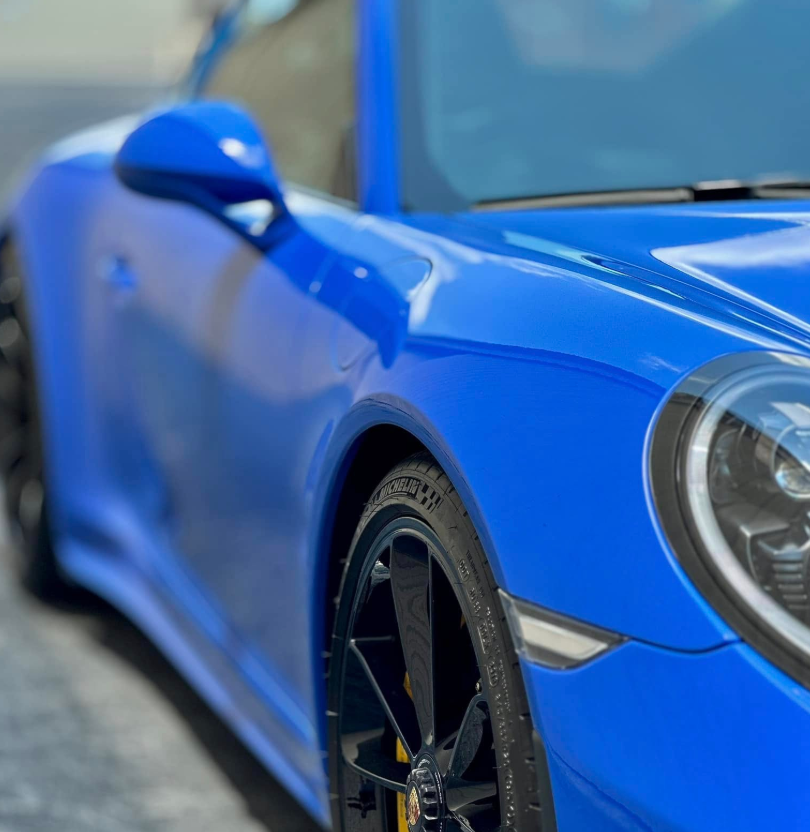
Every drive is a series of small impacts: a pebble kicked up by the truck ahead, grit off a construction zone, sand blown across open highway. Individually they are minor. Over a few years they add up to a hood and bumper full of chips.
PPF works as a sacrificial layer. When something strikes the panel, the film takes the hit and the paint stays intact. The self-healing property comes from a flexible polymer in the film: light scratches and swirl marks close up when the surface is warmed by sunlight or hot water, so the finish stays smooth without polishing.
The film also blocks chemical damage, which drivers underestimate:
● Bug splatter and bird droppings, acidic enough to etch clear coat if left to sit
● Road tar and oil deposits picked up off hot asphalt
● Mineral deposits and industrial fallout that bond to unprotected paint
DYNOshield adds hydrophobic performance to that list. Water beads and rolls off instead of sitting on the surface, carrying dirt with it and making routine washing faster.
Coverage is not an all or nothing decision. APEX offers the APEX Full Front package, covering the front bumper, hood, fenders, mirrors, headlights, and fog lights, plus the APEX Full Car package for complete coverage. A la carte additions protect specific areas where your vehicle takes the most abuse.
How the Installation Process Works
Film quality matters, but installation quality determines how it performs and how long it lasts. Every APEX package starts with preparation: an APEX Pro-Wash, a decontamination bath, and a clay mitt treatment, removing embedded dirt, oils, and industrial fallout that would otherwise sit between the paint and the adhesive and cause lifting later.
Next comes plotting and cutting. Each piece is cut to the specific make and model so the film follows curves, badges, and trim lines without guesswork. Precise cuts also reduce exposed edges, where dirt collects and lifting typically begins.
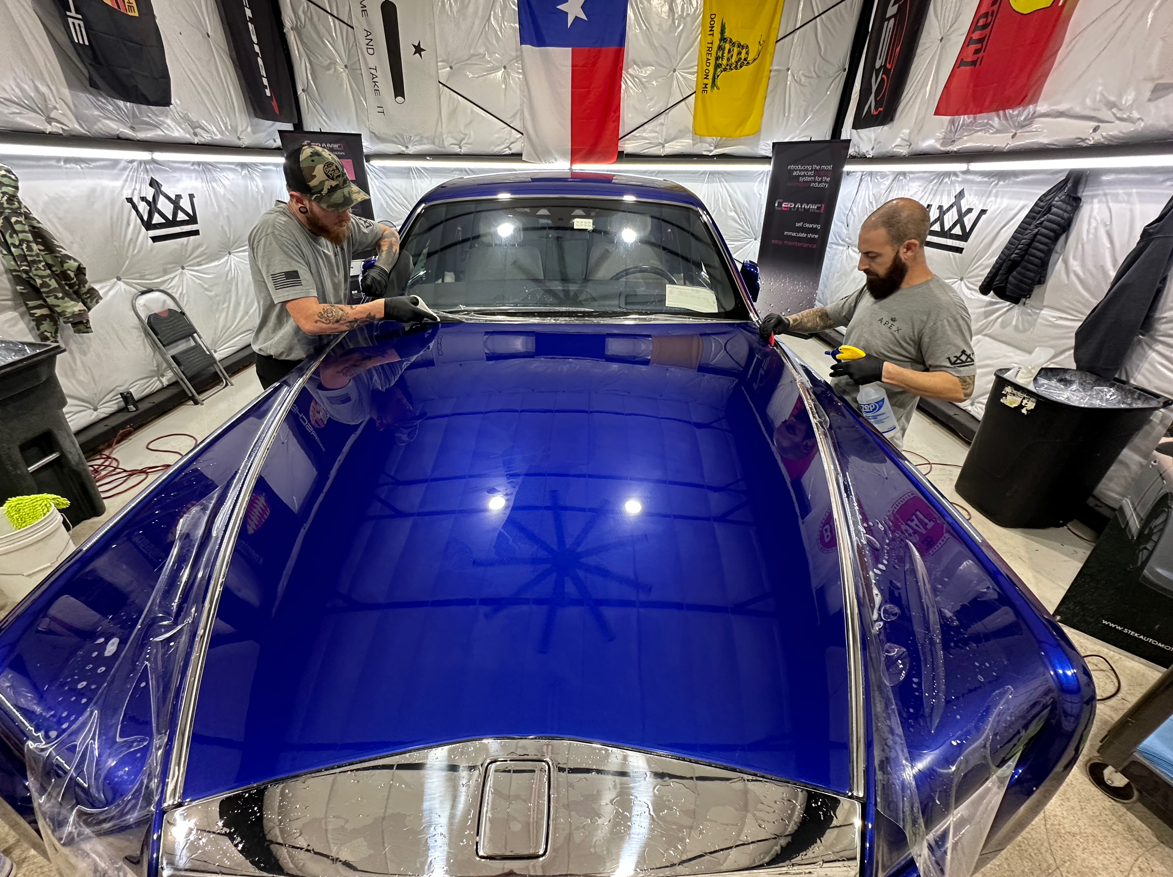
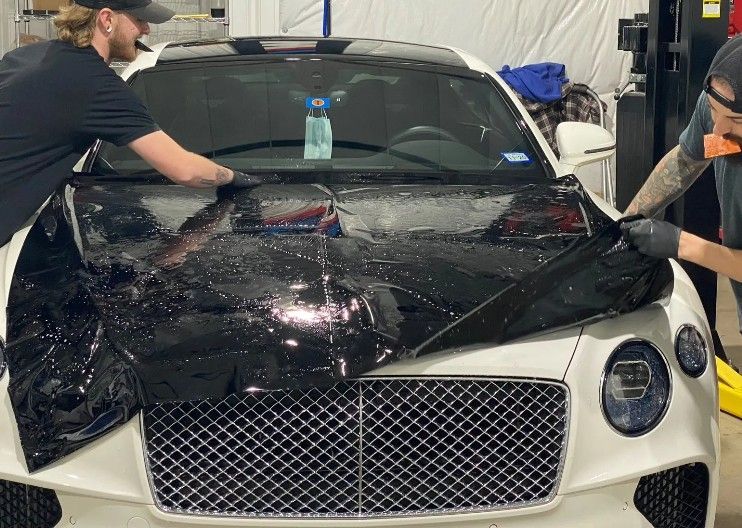
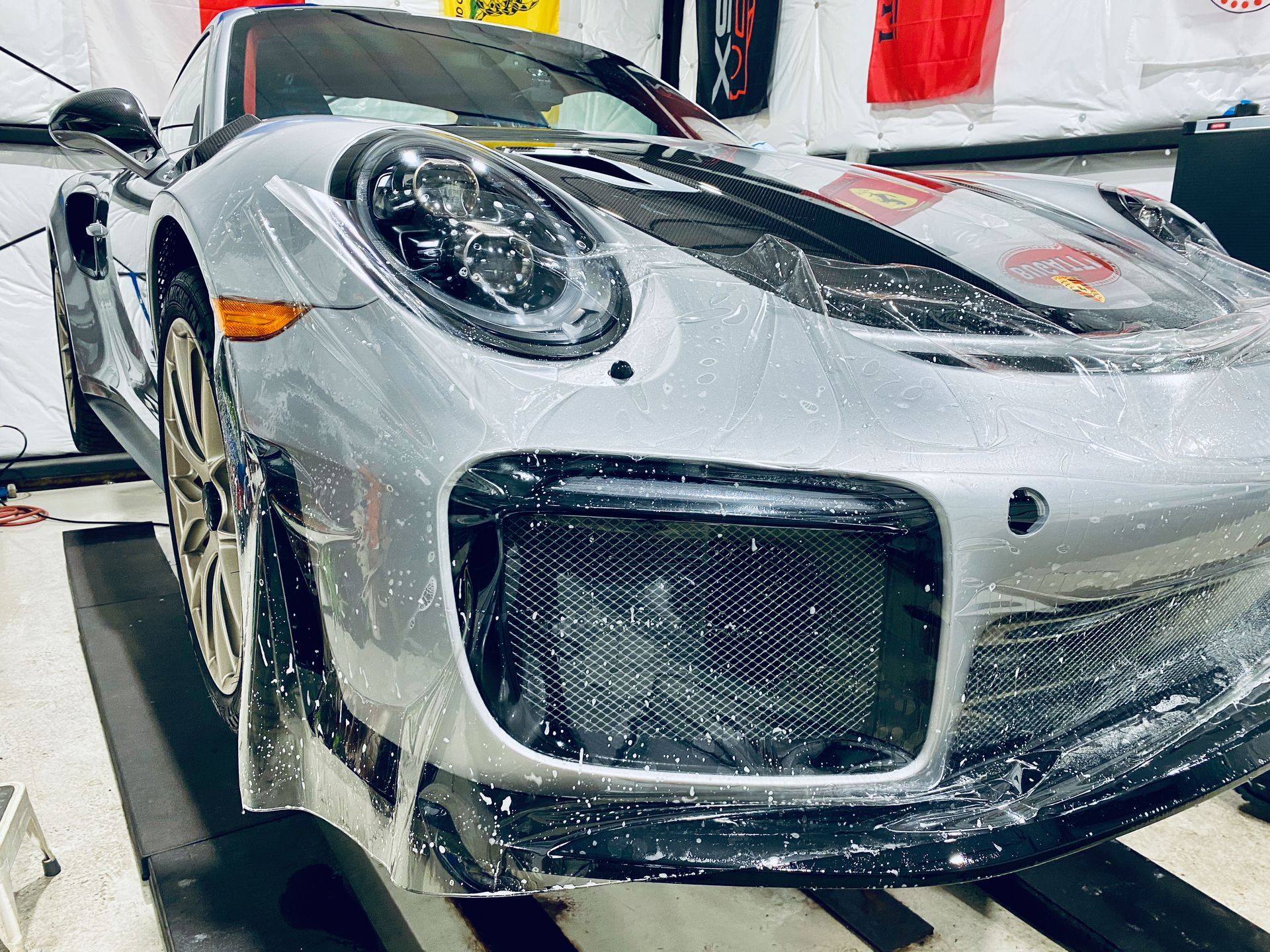
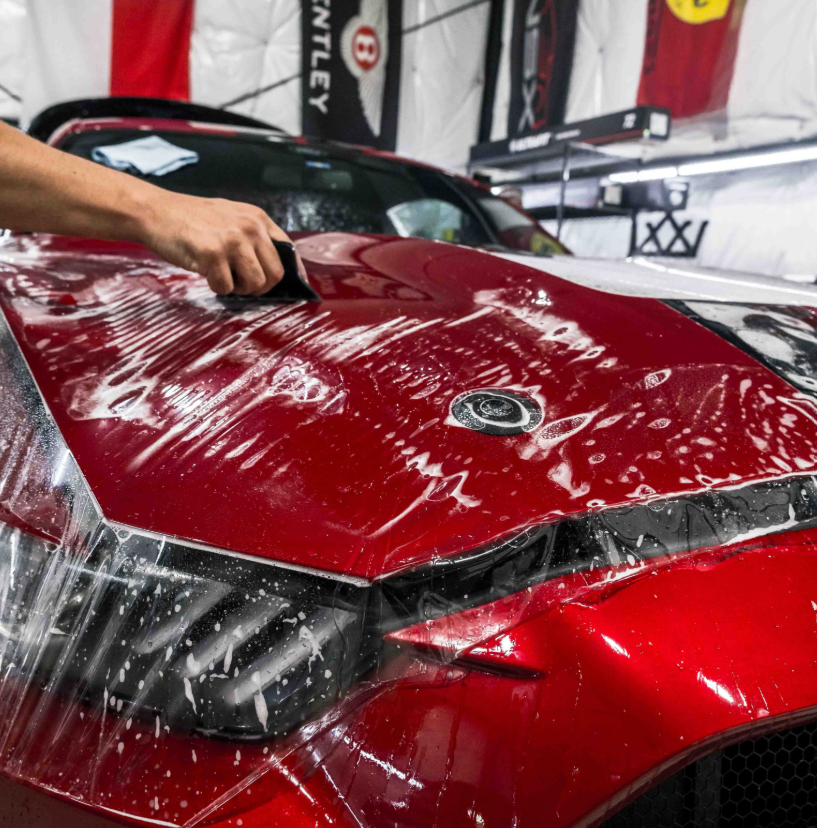
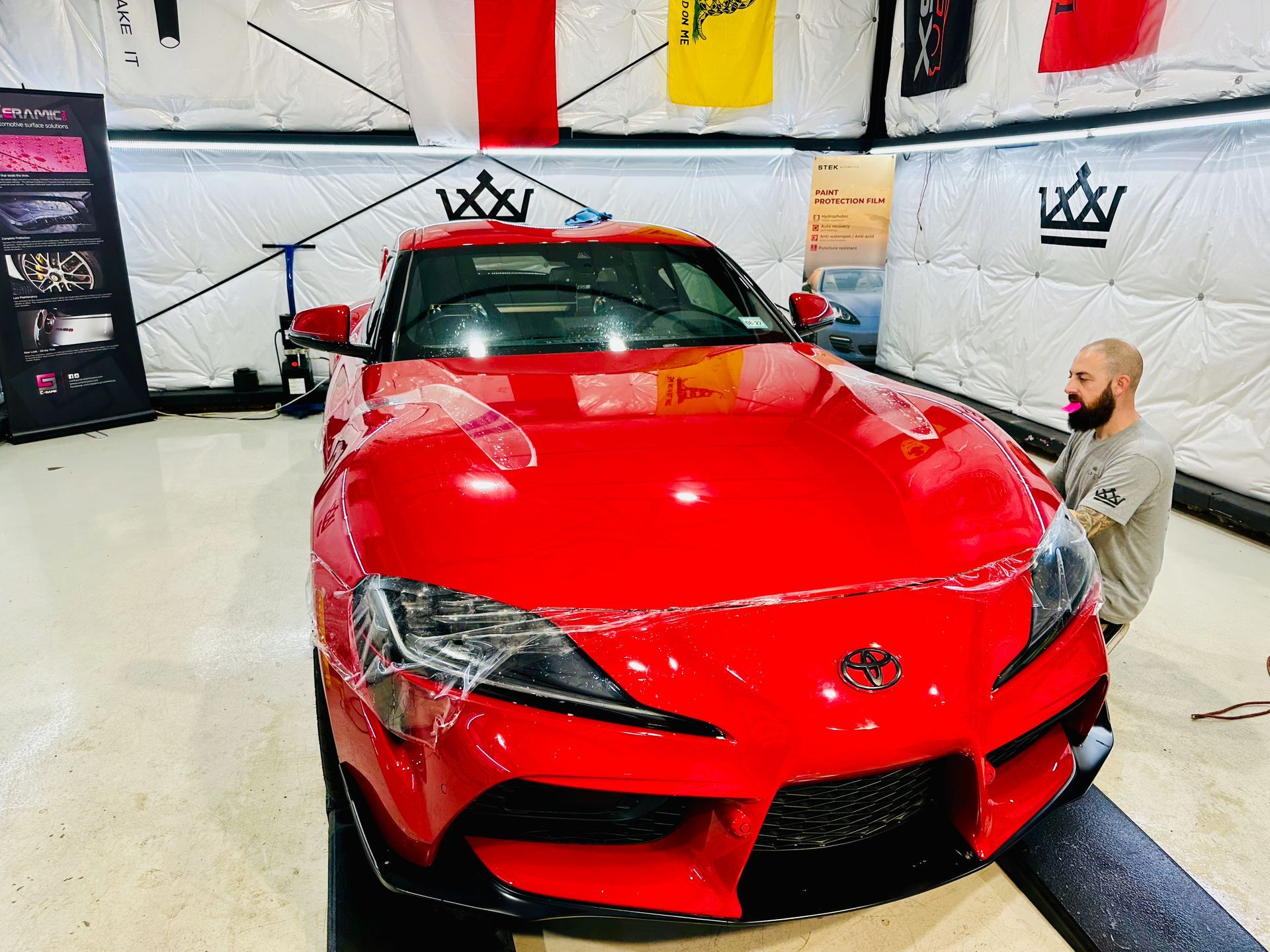
Then the film goes on by hand, panel by panel, with squeegees pushing out trapped air and moisture. This is the part that takes patience, and it is the difference between film that disappears into the paint and film you notice from ten feet away. Turnaround on the APEX Full Front package is typically one to two days, and full coverage takes longer. Because APEX sits inside a secure airport facility, appointments are required before arrival.
Keeping Your PPF Looking Right
Give the film time to bond before the first wash. Your installer will tell you how long to wait, and respecting that window prevents edge lifting while the adhesive cures. After that:
● Wash by hand with a pH-neutral soap and clean microfiber towels
● Skip automatic tunnel washes with brushes, which can catch and lift film edges
● Keep high pressure nozzles at a distance, especially near edges and seams
● Remove bug splatter, tar, and bird droppings promptly
● Check edges and seams periodically, particularly after hail or long highway trips
For stubborn contamination, soak the area with warm soapy water and let it soften instead of scrubbing. STEK DYNOshield and DYNOmatte carry a 10 year warranty against delamination, yellowing, bubbling, and cracking, and consistent, gentle care is what keeps film in condition to reach that mark.
Gloss, Matte, and Color Change Options
Protection is one part of what film offers. Finish is the other. Gloss film like DYNOshield, at 8 mils, deepens shine and adds clarity to the paint underneath, which suits owners who want the factory look preserved. Matte and satin film like DYNOmatte does the opposite, creating a flat, non-reflective look that works whether you are preserving a factory matte finish or converting a glossy one.
Color change PPF is the third option. APEX installs STEK Fashion Film in finishes including chrome, metallic flake, and forged carbon. Unlike a traditional vinyl wrap, color change film protects and transforms in a single application, so you are not paying separately for appearance and protection. The factory paint stays intact underneath, which is what buyers care about at resale.
Protect Your Paint From Texas Roads and Sun
Texas heat, intense UV exposure, highway gravel, and construction debris can take a toll on your vehicle's paint. The right PPF coverage can help protect the finish before those everyday hazards become expensive repairs.
Talk with the
APEX team about Full Front, Full Car, or custom PPF coverage for your vehicle.
Request your free estimate today or call
855-998-2739 to discuss your options.
Frequently Asked Questions
Does PPF prevent fading and oxidation from sun exposure?
On the surfaces it covers, yes. Quality film carries UV inhibitors built into the topcoat, slowing the clear coat breakdown that causes fading and chalky oxidation. Panels without film stay exposed, which is one reason coverage decisions matter.
What is PPF made of, and how does it handle UV and heat?
PPF is a clear polyurethane film, typically 8 to 12 mils thick. UV inhibitors in the topcoat and UV resistant adhesives reduce the light reaching your clear coat, while the film layer moderates how fast the panel heats and cools. DYNOshield adds a nano-ceramic topcoat with hydrophobic and self-healing properties.
How well does PPF handle rock chips and road grime?
Well, within its limits. The film absorbs impacts from gravel and debris that would otherwise chip paint, and blocks tar, bug splatter, and mineral deposits from bonding to the finish. Large or high speed impacts can still damage the film, but replacing a section costs far less than repainting a panel.
How long does PPF last in Texas conditions?
DYNOshield and DYNOmatte are warrantied for 10 years against delamination, yellowing, bubbling, and cracking. Real world life depends on driving conditions, storage, and maintenance. A garage kept vehicle washed by hand will get more out of its film than one parked outdoors year-round.
How does PPF compare to ceramic coating or wax?
They solve different problems. Wax and sealants add gloss and water beading for weeks or months. Ceramic coating adds chemical resistance and easier cleaning for years. Neither stops a rock chip. PPF is the only one thick enough to absorb physical impact, which is why many owners pair film with a ceramic coating over it.
Does PPF protect my interior from sun damage?
No. Paint protection film covers painted exterior surfaces. Dashboards, seats, and trim fade from UV passing through glass, so window tint is the product that addresses interior protection. APEX installs both, and they are often scheduled together.
Can color change PPF be removed later?
Yes, when it is installed and removed properly. That reversibility is much of why owners choose color change film over a vinyl wrap.