Is Color Change PPF Better Than Vinyl Wrap? A Complete Comparison Guide
When it comes to changing your car's color and protecting its paint, vinyl wraps might seem like the easiest and most affordable route. But color change Paint Protection Film (PPF) is gaining serious attention for doing more: blending genuine style with real paint protection. Here is how the two options compare so you can decide which one fits your needs.
Color change PPF is generally the stronger choice when you are weighing both protection and color transformation. It provides a thicker, more durable layer that guards against rock chips, scratches, and UV damage while delivering vibrant finishes with longer-lasting results. Vinyl wraps are thinner, primarily cosmetic, and tend to fade or peel sooner. PPF carries a higher price point, but it delivers superior durability for drivers who want aesthetics and protection in one solution.
Color Change PPF vs. Vinyl Wrap: Key Differences
The most fundamental distinction is thickness and purpose. Color change PPF measures around 8 mils thick, more than double the approximately 3-mil average of vinyl wraps. That difference translates directly into physical protection. PPF shields paint from rock chips, scratches, and UV damage, which are exactly the hazards vinyl is not designed to handle. Vinyl focuses on transforming appearance with a wide range of colors and textures but offers minimal defense against wear and tear.
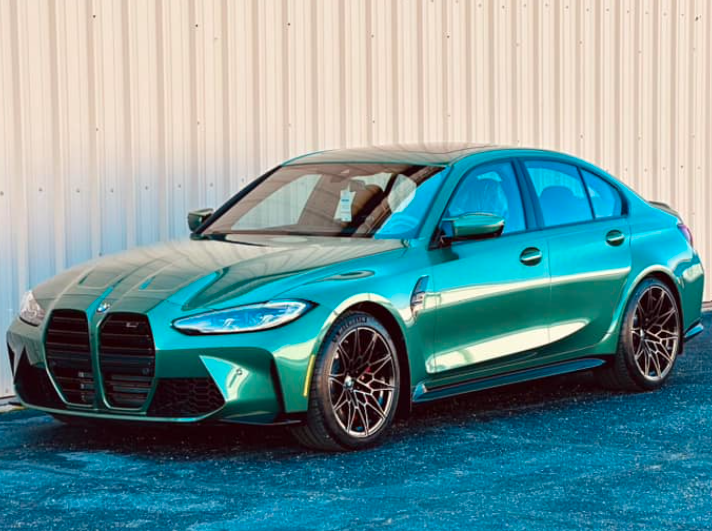
Brands like STEK deliver films that combine color-shifting effects with genuine durability. Vinyl wraps, even premium ones, are more prone to fading and peeling over time. That said, vinyl does offer a broader finish range, from matte and satin to carbon fiber textures, which appeals to drivers whose priority is creative customization. The trade-off is longevity: vinyl typically lasts 3 to 7 years, while quality PPF films can hold up for closer to a decade.
| Feature | Color Change PPF | Vinyl Wrap |
|---|---|---|
| Thickness | ~8 mil | ~3 mil |
| Primary Function | Color change and paint protection | Color change (cosmetic only) |
| Durability | 5 to 10 years | 3 to 7 years |
| Protective Qualities | Strong against chips, scratches, UV | Minimal; prone to wear |
| Finish Options | Glossy, matte; less orange peel | Wide variety including textured |
| Installation Complexity | High; involves component disassembly | Moderate; more flexible film |
| Maintenance | Gentle washing and occasional polishing | Careful cleaning to prevent peeling |
Installation Challenges and Tips
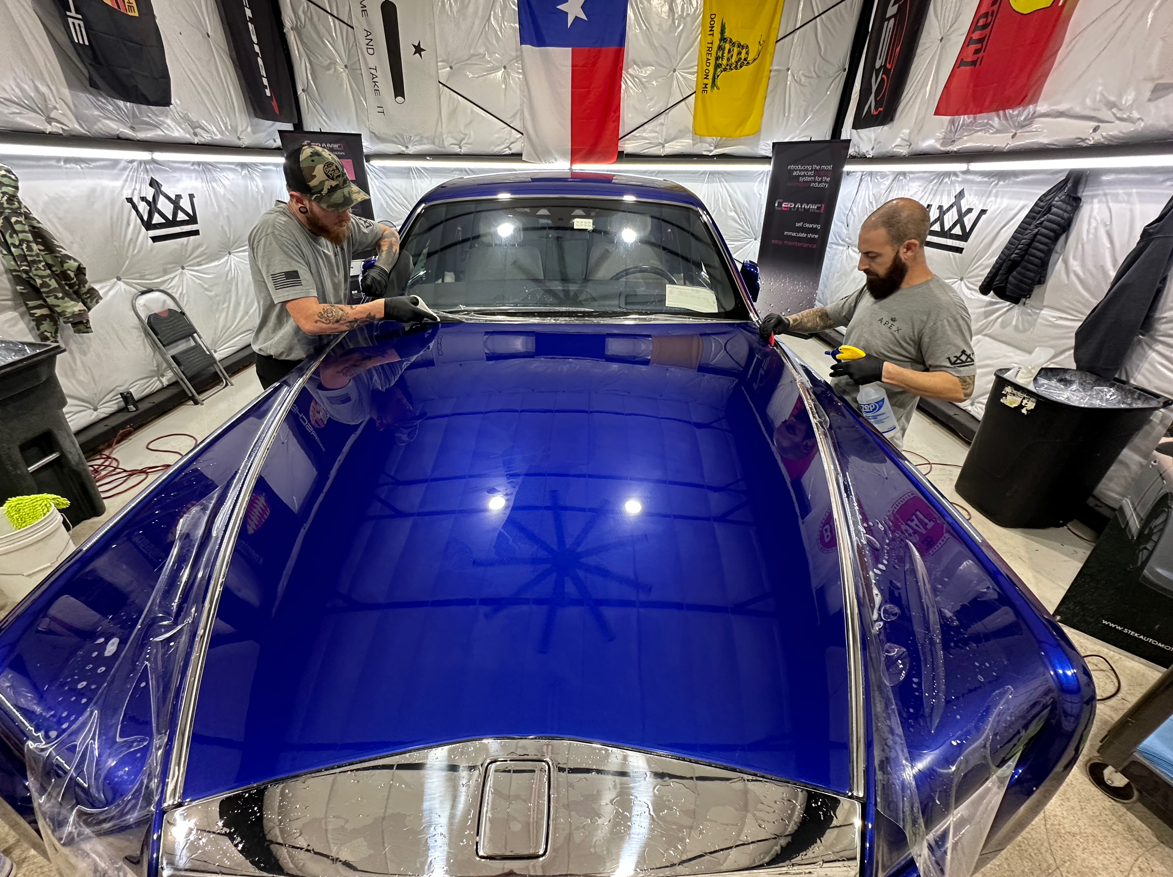
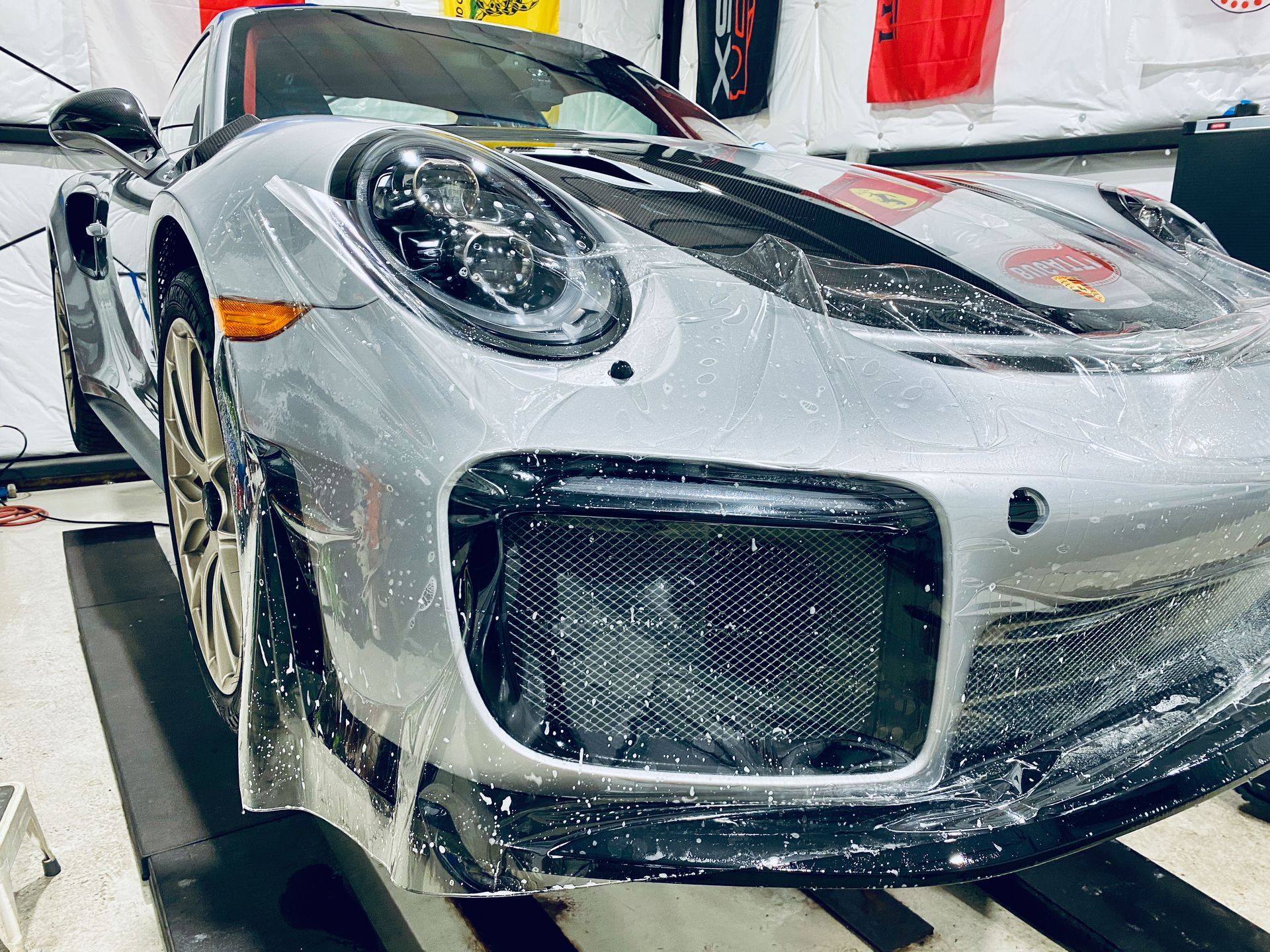
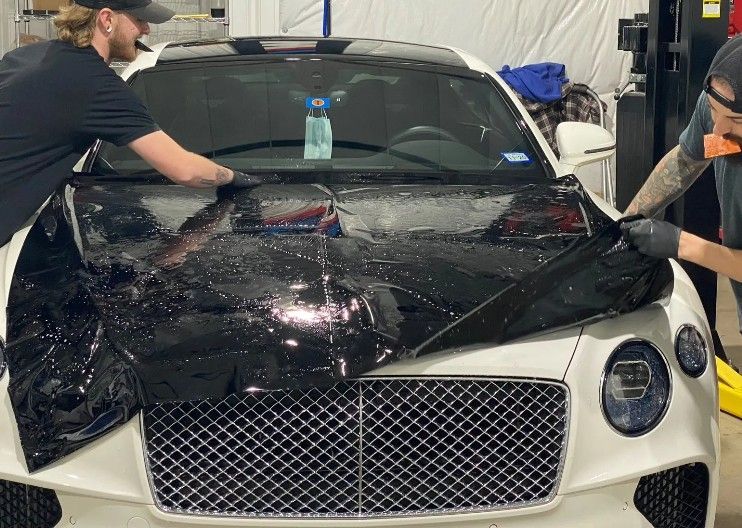
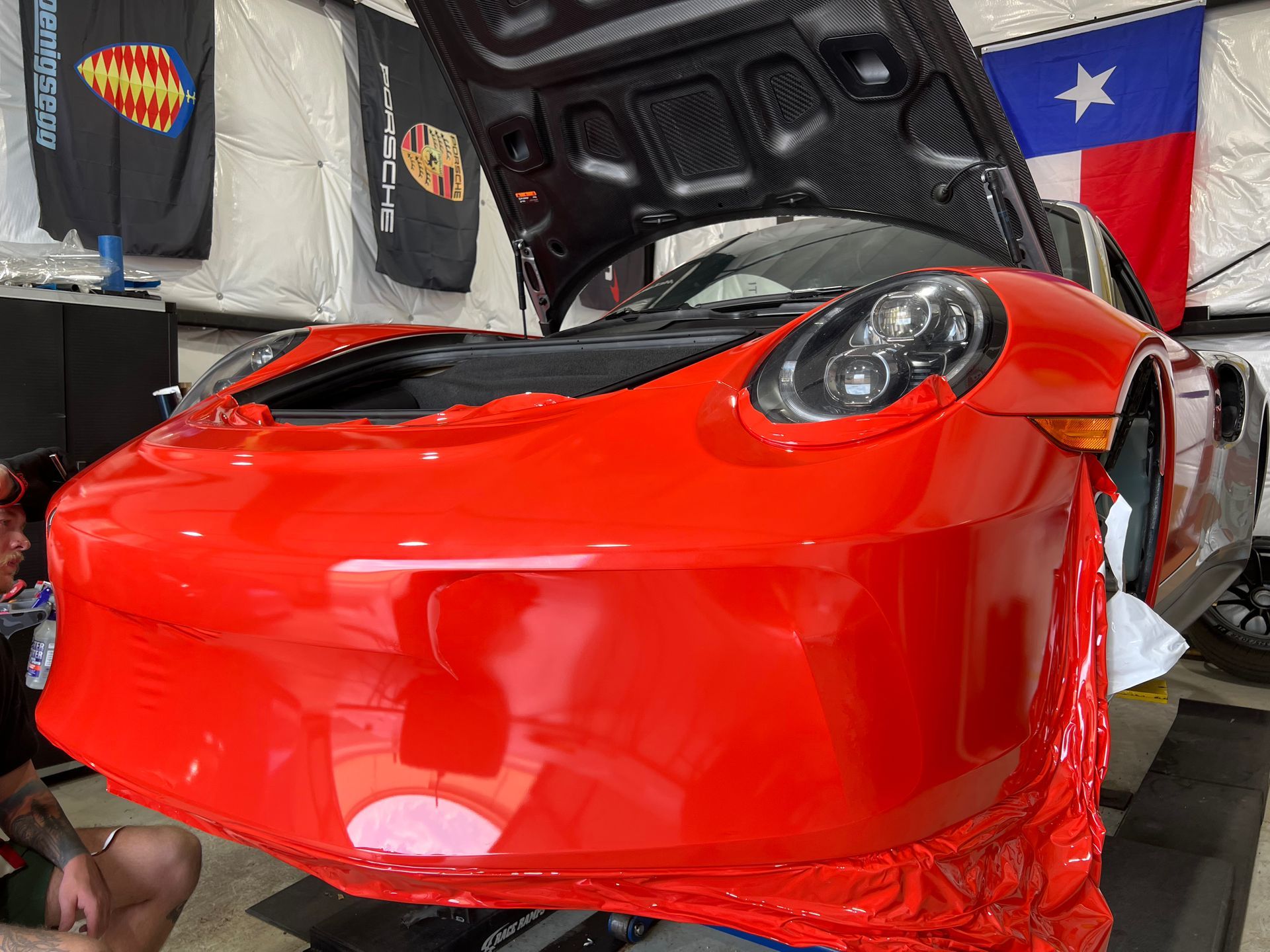
PPF installation demands precision well beyond what vinyl requires. The stiffer, thicker material is harder to conform over complex curves and tight corners without creating bubbles or wrinkles. Surface preparation is critical: dust, oil, or residue can trap air beneath the film, which degrades both appearance and protection. Prep work alone can take up to two hours.
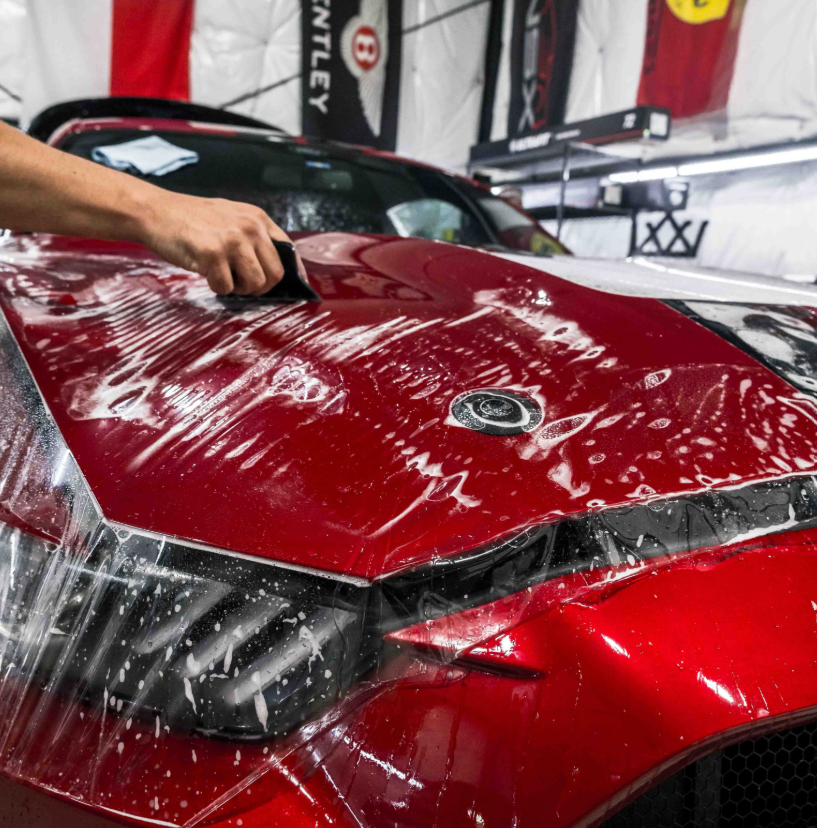
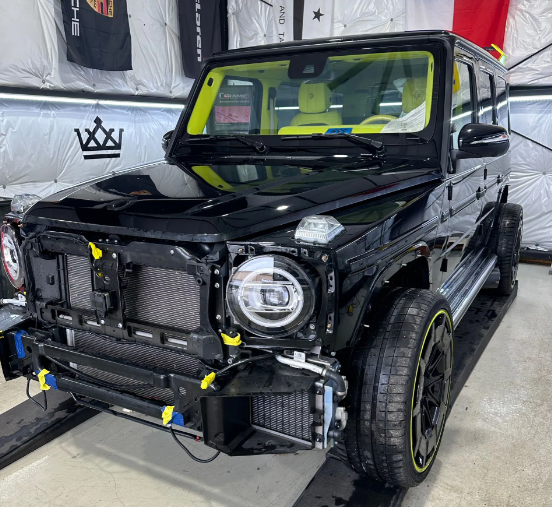
Installers typically remove exterior components like mirrors, badges, and door handles to achieve flawless coverage without visible seams. Most professionals apply PPF using a wet slip-solution method that allows repositioning before the film bonds permanently. Environmental conditions matter too: temperatures between 60°F and 80°F and a dust-free workspace are important for a clean result.
A proper installation delivers long-lasting vibrancy, strong resistance to road damage, and warranties of up to ten years from brands like STEK. A poor installation undermines all of that regardless of film quality, which is why choosing the right installer matters as much as choosing the right film.
Long-Term Durability Insights
Colored PPF is engineered for resilience. Quality products, including those installed at Apex, come with warranties of up to 10 years, reflecting real confidence in how the material performs. Vinyl wraps typically have a usable lifespan of three to five years, largely because their thinner PVC construction lacks the impact resistance of thermoplastic polyurethane (TPU)-based PPF. Vinyl pigments can also fade under sustained sun exposure or deteriorate in extreme weather.
PPF's self-healing properties are a meaningful differentiator. Minor scratches can disappear with gentle heat exposure, something vinyl does not offer. For drivers focused on long-term ownership or preserving resale value, that is a real and practical advantage.
Surface Quality and Visual Appeal
Color change PPF typically produces a smoother, flatter finish with less of the "orange peel" texture that can appear in gloss vinyl. That surface closely mimics actual automotive paint and delivers a premium, polished presence that vinyl rarely matches.
PPF also holds its texture more consistently over curves and edges without wrinkling. Because vinyl lacks self-healing properties, any scratch or scuff typically requires full panel replacement or visible patching. For drivers who want consistent sheen across every panel, whether that is showroom gloss or refined matte, PPF maintains that visual integrity longer.
Cost Comparison
Vinyl wrap is the more accessible option upfront, but the full cost picture includes installation and how long each solution lasts.
The higher upfront investment in PPF reflects thicker material and more labor-intensive installation. Spread over a decade of use, that cost amortizes well for owners who plan to keep their vehicle. Vinyl's lower entry point is attractive, but repeated reapplication over the same period adds up in both time and expense.
Removal is worth factoring in too. Vinyl comes off more easily and at lower cost. PPF's stronger adhesive requires more care during removal. If frequent style changes are part of your plan, that is worth weighing in your decision.
At Apex, we help customers work through these trade-offs based on their driving habits, goals, and budget so every driver finds the right balance of protection and value.
Performance in Various Conditions
PPF's thermoplastic polyurethane construction stays flexible in cold weather, helping prevent the cracking and peeling that vinyl can develop in freezing conditions. Under heat and strong sun, PPF maintains color and clarity for years without significant fading. Vinyl wraps can struggle under extended UV exposure, even with protective coatings, and tend to have a shorter useful life in high-sun environments like North Texas.
Both materials provide water-resistant surfaces that shield paint from rain and road contaminants. PPF's thicker build acts as a stronger barrier against mineral buildup and repeated wet and dry cycles over time. For drivers facing demanding conditions, colored PPF offers more consistent protection and fewer maintenance surprises.
Our Recommendation
For drivers who care about both protection and long-term appearance, our experience consistently points to the same answer: PPF is the stronger investment.
Vinyl wraps are a solid choice when budget is the primary concern or when a driver expects to change their color frequently. But for a vehicle you want looking its best for years, colored PPF delivers protection and finish quality that vinyl cannot match. The self-healing surface, UV resistance, and impact protection built into quality films mean your vehicle is genuinely defended, not just covered.
Transform Your Vehicle with Premium Color Change PPF
Whether you're looking to give your vehicle a bold new look or protect your factory paint from everyday road damage, color change PPF offers the best of both worlds. With superior durability, self-healing technology, and long-lasting color retention, it's an investment that keeps your vehicle looking exceptional for years.
At Apex, we specialize in professional color change PPF installation tailored to your style, driving habits, and budget. Our experienced team will help you explore your options and ensure flawless results from start to finish. Contact us today for a free consultation and discover how color change PPF can elevate and protect your vehicle.
Book a consultation online or call us at
855-998-2739. Our team is ready to help you find the right solution for your vehicle and your goals.
FAQs on Color Change PPF vs Vinyl Wrap
How does color change PPF hold up compared to vinyl wrap in different weather conditions?
PPF's thermoplastic polyurethane construction stays flexible in cold and resists UV fading in heat far better than vinyl's PVC base. With proper care, quality PPF can maintain its protective properties for up to a decade, while vinyl in demanding conditions often needs attention within three to five years.
Which option resists fading and discoloration better over time?
Color change PPF holds a clear advantage. Its multi-layer construction includes UV inhibitors that protect color depth and clarity over time. Vinyl's printed or dyed PVC film is more vulnerable to UV exposure, particularly on vehicles parked outdoors regularly.
Are there limitations on color or finish choices with PPF?
Vinyl offers a broader range, including specialty textures like carbon fiber, brushed metal, and chrome. Color change PPF focuses on solid, pearlescent, and color-shift finishes. If creative customization is the priority, vinyl gives you more options. If long-term finish quality and paint protection matter most, PPF is the better fit.
Can color change PPF be removed without damaging the original paint?
Yes, when a trained installer removes it correctly. PPF uses a stronger adhesive than vinyl, so removal requires more patience and proper technique. Professional removal is always recommended to protect the underlying paint.
Is color change PPF worth the extra cost compared to vinyl wrap?
For many vehicle owners, yes. Color change PPF provides both a custom appearance and premium paint protection, reducing the need for future paint repairs and helping maintain resale value.
Does color change PPF protect against rock chips and road debris?
Yes. Unlike vinyl wrap, color change PPF is specifically designed to absorb impacts from small rocks, road debris, and other hazards that can damage your vehicle's paint.
Can I wash my vehicle normally after installing color change PPF?
Yes. Hand washing is recommended, but color change PPF can also withstand touchless car washes. Following proper maintenance guidelines will help maximize its lifespan and appearance.
Will color change PPF affect my vehicle's resale value?
Many buyers view paint protection favorably because it helps preserve the original paint underneath. Vehicles protected with high-quality PPF often maintain a cleaner exterior condition over time.
Can color change PPF be installed on leased vehicles?
Yes. Since the film can be professionally removed without damaging the factory paint, many leased vehicle owners choose color change PPF to personalize and protect their vehicles during the lease term.
How long does a color change PPF installation take?
Most full-vehicle installations take several days, depending on the vehicle size, film type, and level of preparation required to achieve a seamless finish.
Can ceramic coating be applied over color change PPF?
Yes. Many vehicle owners add a ceramic coating over PPF to enhance gloss, improve hydrophobic properties, and make routine cleaning easier.
Does color change PPF require special maintenance?
Maintenance is relatively simple. Regular washing, prompt removal of contaminants, and avoiding abrasive cleaning products will help preserve the film's appearance and protective qualities for years.