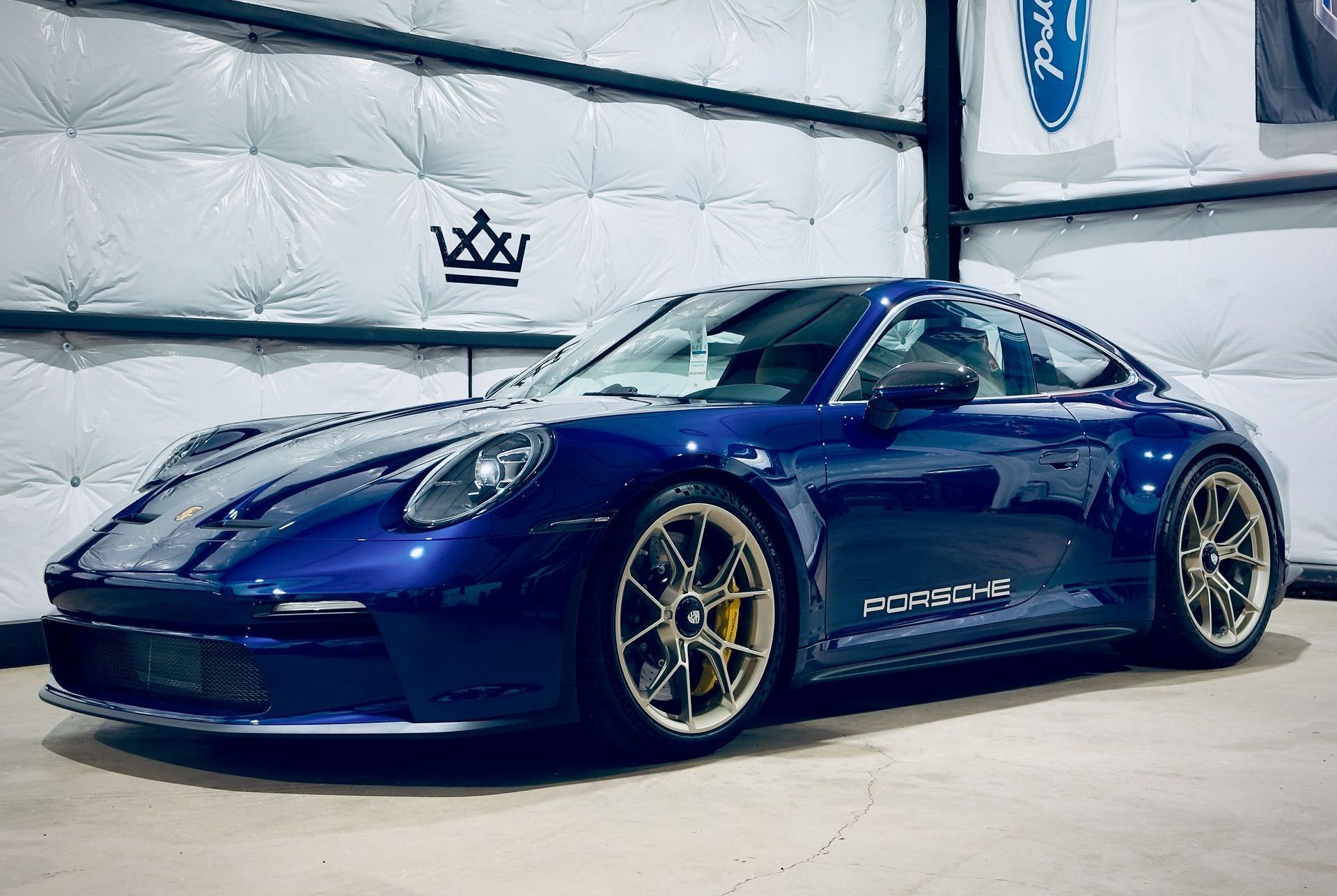
How Texas Drivers Can Maintain Ceramic Coatings Year-Round
A ceramic coating is a durable, hydrophobic layer bonded to your vehicle's surfaces. It repels water and grime, resists oxidation, and makes washing faster. What it is not is permanent. Texas puts a coating through heat, UV, dust, hard water, and sudden storms, and how you care for it between washes decides whether it performs for years or fades in months. Here is what maintenance looks like season by season, and what actually matters in a Dallas-Fort Worth climate.
Keep a ceramic coating performing by washing every two weeks by hand with a pH-neutral soap, drying immediately with clean microfiber to prevent mineral spotting, and inspecting monthly for spots where water no longer beads. Adjust the routine seasonally, and bring the vehicle in when the coating stops shedding water the way it did on day one.
Why a Coating Still Needs Care
A ceramic coating works as a sacrificial layer. It bonds to your paint, glass, trim, and headlights and takes the abuse first, blocking bug residue, acid rain, bird droppings, and road film from etching into the surfaces underneath.
That sacrificial role is exactly why maintenance matters. The coating is doing its job by absorbing contamination, and contamination that sits on the surface for weeks stops rinsing off and starts bonding. Once that happens, water stops beading, the surface loses slickness, and the gloss goes flat even though the coating is technically still there.
Maintenance is not about restoring the coating. It is about keeping the layer clean enough to keep working. Owners who stay on top of it get years out of a coating. Owners who wash twice a year do not.
The Year-Round Baseline
Everything seasonal builds on the same routine.
Wash every two weeks. That interval sounds frequent, but a coated vehicle washes fast because dirt does not cling. Two weeks is short enough that contaminants rinse away instead of bonding.
Wash by hand with a pH-neutral soap made for coated vehicles. Household detergents and dish soap strip protection. Automatic tunnel washes with spinning brushes introduce swirl marks that no coating prevents, and many touchless washes rely on strongly alkaline chemicals to compensate for the lack of contact.
Dry immediately. This is the step most owners skip and the one that causes the most damage in Texas. Our water is hard, and heat evaporates it fast. Water left to dry on the panel leaves mineral deposits that etch into the coating. Use plush, lint-free microfiber towels and dry the vehicle out of direct sun.
Inspect monthly. Look for areas where water no longer beads and sheets off instead. Check door handles, hood edges, mirrors, and the rear of the vehicle first, since those take the most contact and road film. Dull spots or uneven sheen in those areas tell you where the coating needs attention.
Remove bird droppings, bug residue, and tree sap as soon as you see them. All three are acidic and all three etch given enough time and heat.
Spring: Decontamination and Reset
Spring is the reset point. Months of road film, pollen, and industrial fallout leave bonded contamination that a normal wash will not lift, and pollen season in North Texas coats everything.
Start with a full wash, then run a decontamination step. A clay bar or clay mitt used with plenty of lubrication pulls embedded particles off the surface without dragging them across it. The panel should feel glass smooth afterward. If it still feels gritty, the contamination is still there.
This is also the right time for a longer inspection. Spring gives you the mildest weather of the year to catch a thinning coating before summer heat compounds the problem. If several areas have stopped beading, that is worth a conversation with your installer rather than another round of product.


Summer: Heat, UV, and Water Spots
Summer is the hardest season on a coating in Texas, for two reasons.
The first is UV. Sustained sun exposure is what drives oxidation and fading in paint, and while a quality ceramic coating resists it, the coating is only shielding what it covers and only while it is intact. Park in shade or under cover whenever you have the option. A garage does more for a finish over ten years than any product you can buy.
The second is water spotting. Panel temperatures on a Texas afternoon will flash-dry rinse water before you get to it with a towel, and the minerals left behind bake onto the surface. Two rules solve this. Wash early morning or evening, never on a hot panel in direct sun. And dry the vehicle immediately, panel by panel, rather than washing the whole car and then drying it.
Wash frequency also goes up. Heat accelerates how quickly bugs, pollen, and road grime bake on, so weekly washing through summer is reasonable for a daily driver.
Fall: Sap, Leaves, and What Sits Underneath
Fall brings a different problem. Tree sap and leaf residue are acidic and stubborn, and they stain when they sit through a warm afternoon. Be deliberate about where you park, and clear leaf debris off horizontal surfaces rather than letting it sit in cowls and window channels where it holds moisture.
Fall is also the season to pay attention to what you cannot see. Dirt, sand, and grit accumulate in wheel wells and along the underbody after wet weather. Rinsing those areas keeps grit from working its way into coated wheel faces and edges.
Winter: Salt Exposure and Low Sun
Texas winters rarely require heavy road salt, but brine is used ahead of ice events in the Metroplex, and a trip north or into hill country can put your vehicle on salt-treated roads. Salt is abrasive and corrosive. Rinse it off promptly, including the underbody, rather than letting it dry on.
The other winter factor is one drivers dismiss: UV does not stop in January. The sun sits lower, which puts more direct light on windshields, hoods, and side glass. Shaded parking still matters, and so does the same wash and dry routine you use in July.
What an APEX Ceramic Coating Includes
APEX in Addison offers two ceramic coating packages, and both start with the same preparation: an APEX Pro-Wash, a complete ferrous decontamination bath, and a gentle clay mitt.
The APEX Premium Ceramic Coating Package coats all exterior painted surfaces, wheel faces, all exterior automotive glass, exterior plastics, and headlights and taillights, with a one to two day turnaround. The APEX Elite Ceramic Coating Package adds full wheel coverage with the wheels removed so faces, back faces, and barrels are all coated, plus brake calipers and rotor hats, with a two to three day turnaround.
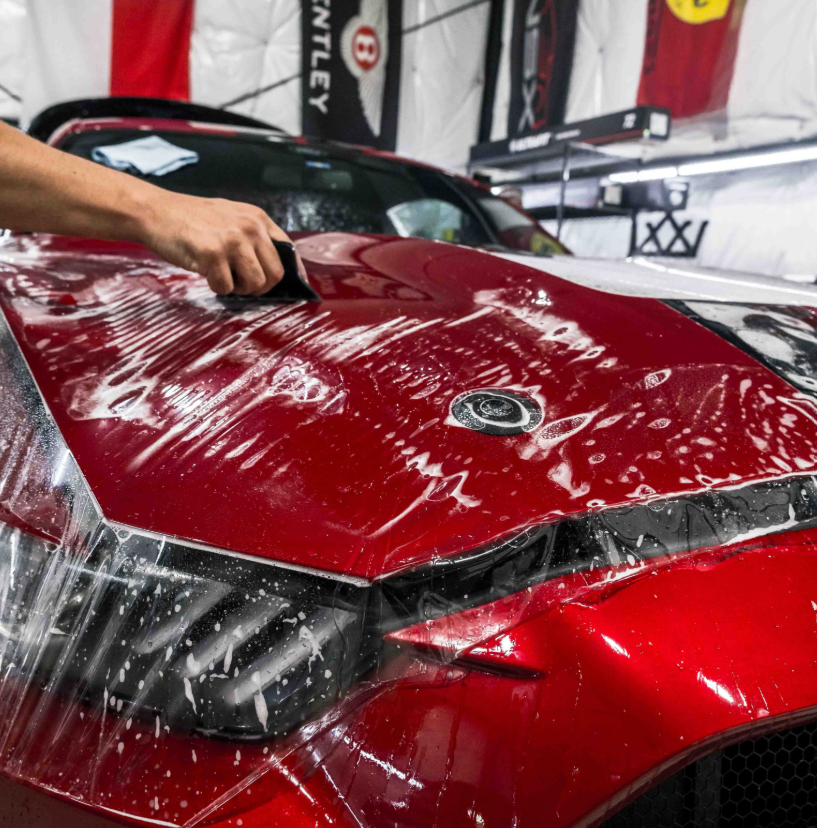
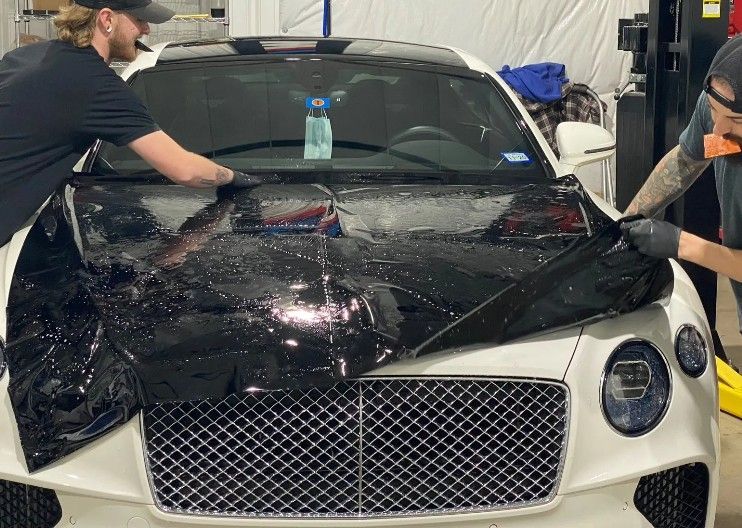
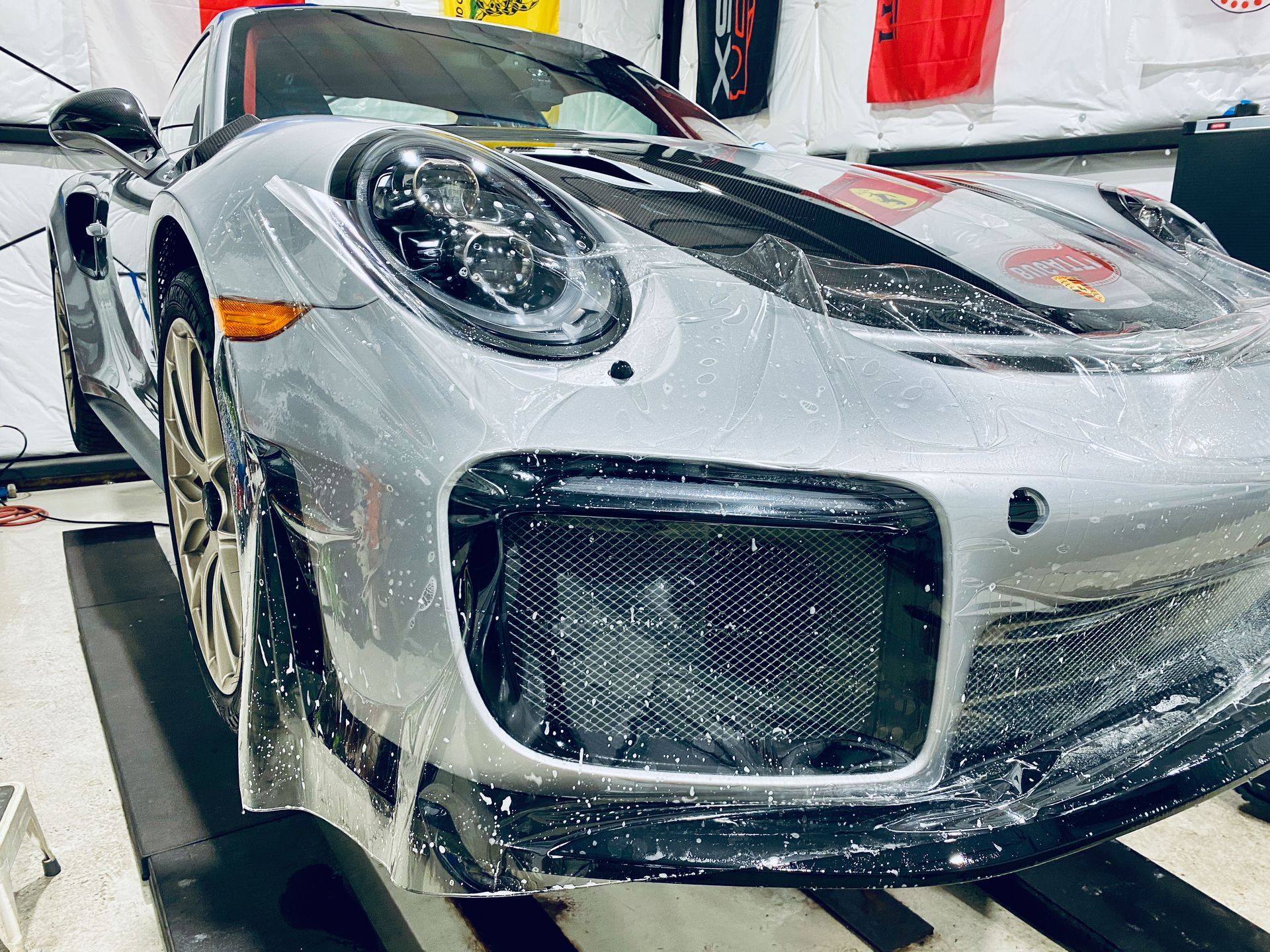
The process is deliberate. Deep clean and decontamination first, then paint correction if the paint needs it, because APEX does not coat over swirls and scratches. Paint protection film goes on at that stage if you want chip protection. Then the coating is applied by hand in multiple layers, followed by curing and a final inspection.
Is Your Ceramic Coating Ready for Texas Weather?
Texas heat, UV exposure, hard water, dust, and road grime can put your ceramic coating to the test. If your vehicle has lost its water-beading performance, developed stubborn spots, or simply needs professional attention, APEX can help.
Bring your vehicle back to peak protection with professional ceramic coating and maintenance in Addison, TX. Request your free estimate today or call 855-998-2739 to discuss your vehicle with the APEX team.
Frequently Asked Questions
How often should I wash a ceramic coated car in Texas?
Every two weeks is a good baseline, moving to weekly through summer if the vehicle sits outside or covers highway miles. Coated vehicles wash quickly, so the interval is less demanding than it sounds. The goal is preventing contamination from bonding, not keeping the car spotless.
Can I take a ceramic coated vehicle through an automatic car wash?
It is not recommended. Tunnel washes with spinning brushes cause swirl marks regardless of what is on your paint, and many touchless systems use aggressive alkaline chemistry that shortens coating life. Hand washing with a pH-neutral soap and clean microfiber is the safer routine.
Why has my coating stopped beading water?
Almost always because the surface is contaminated rather than because the coating has failed. Road film, hard water minerals, and pollen build up and mask the hydrophobic layer underneath. A proper decontamination wash usually brings the beading back. If it does not, the coating in that area needs attention.
Does ceramic coating protect against hail or rock chips?
No. A coating is measured in microns and provides chemical and UV protection, not impact resistance. Covered parking is the real answer for hail. For rock chips and road debris, paint protection film is the product that absorbs impact, and APEX applies ceramic coating over film for the best of both.
Will my ceramic coating yellow or fade in the Texas sun?
Professional grade coatings are engineered to resist UV, harsh weather, and chemical staining without yellowing or fading. Maintenance is still what determines the outcome. A neglected coating loses gloss because of what accumulates on top of it, not because the coating itself broke down.
Do I still need to wax a ceramic coated vehicle?
No. Wax sits on top of the coating, masks the hydrophobic surface, and does nothing the coating is not already doing better. Stick to proper washing and drying, and let the coating work.
Can ceramic coating be applied to more than just paint?
Yes. APEX applies coatings formulated for glass, wheels, exterior plastics, headlights and taillights, interior surfaces, vinyl wraps, and paint protection film, so the whole vehicle cleans up the same way.